The Times of India
보수 성향
IT/기술
부정적Former xAI engineer says he was fired after warning about Grok's safety risks

"ENGINE" · 총 583건
필터 보기현재 지수
49.5
0 = 부정 우세
50 = 중립
100 = 긍정 우세
최근 7일 기준 81,306건을 분석한 결과, 뉴스 심리지수는 49.5(균형)입니다. 긍정 10,048건(12.4%)·중립 58,596건(72.1%)·부정 12,662건(15.6%)이며, 중립 비중이 뚜렷하게 높습니다. 성향 지수는 종합 21.2(보수 경향)입니다.
The two pilots operating the Air India Boeing 787 that crashed last year were Captain Sumeet Sabharwal and First Officer Clive Kunder. As investigators continue examining the cause of the accident, details about the pilots' training, experience and careers have come under public focus. Indian investigators are expected to delay the final crash report beyond the first anniversary of the accident as they complete an analysis of the aircraft's engines. Captain Sumeet Sabharwal Captain Sumeet Sabharwal, 56, was one of Air India's most experienced pilots. He held an airline transport pilot's licence valid until May 14, 2026, and was qualified to command Boeing 787, Boeing 777 and Airbus A310 aircraft. According to the preliminary investigation report, he had logged 15,638 flying hours during his career, including 8,596 hours on the Boeing 787. A Times of India report said Sabharwal spoke to his family from the airport before departure and told them he would call again after landing in London. A pilot who had briefly interacted with him told Reuters he was a "gentleman." After the crash, Sabharwal's father approached the Supreme Court seeking an independent investigation that would consider causes other than pilot action. He said officials from India's Aircraft Accident Investigation Bureau had suggested to him that his son cut fuel flow to the aircraft's engines shortly after takeoff. First Officer Clive Kunder First Officer Clive Kunder, 32, held a commercial pilot licence issued in 2020 and valid until September 26, 2025. He was qualified to fly Cessna 172 and Piper PA-34 Seneca aircraft as pilot-in-command and served as a co-pilot on Airbus A320 and Boeing 787 aircraft. Kunder had accumulated 3,403 flying hours, including 1,128 hours on the Boeing 787 as a co-pilot, according to the preliminary report. Indian media reports, citing relatives, said Kunder developed a passion for aviation during his school years and began pursuing a flying career in 2012. The Wall Street Journal reported that he attended flight school in Florida before joining Air India in 2017. He initially flew the Airbus A320 and later transitioned to the Boeing 787 fleet. Family members and friends told the newspaper that Kunder enjoyed superhero movies, taught himself how to build a personal computer and had considered pursuing a professional esports career while in college. The profiles of both pilots have drawn attention as investigators continue their work to determine the cause of one of India's most closely watched aviation accidents.
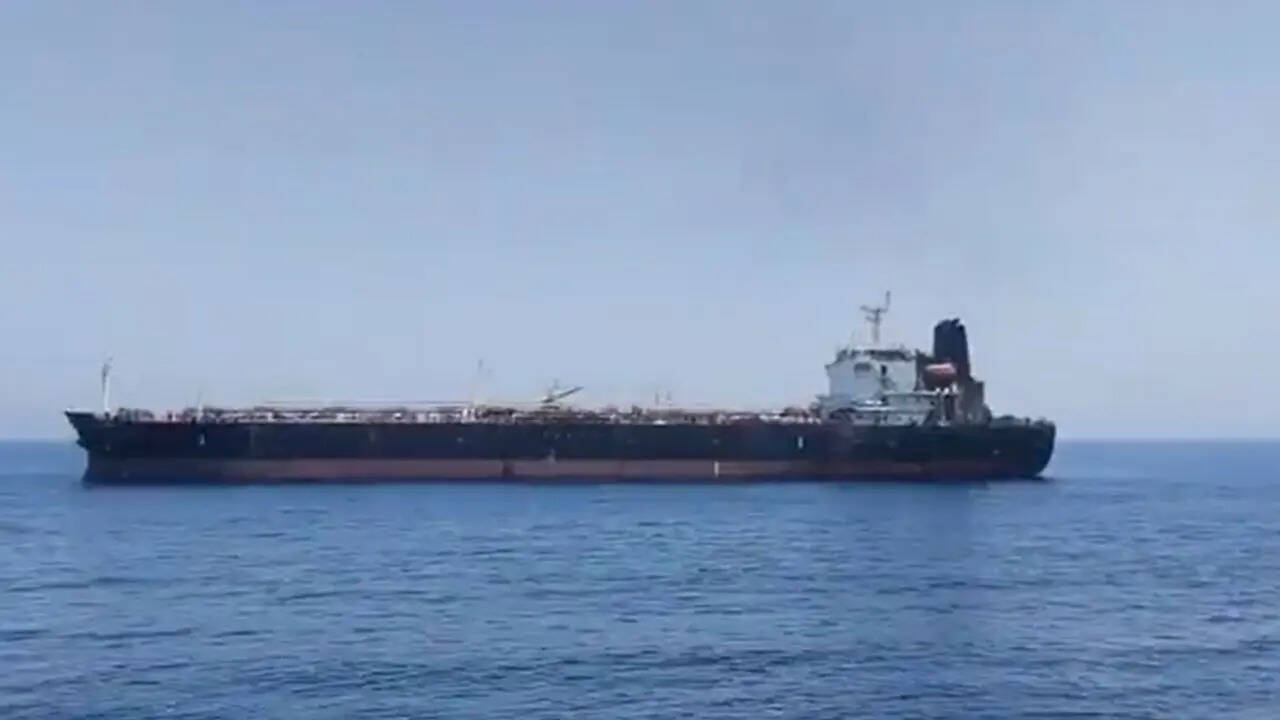
FSUI says US missile hit oil tanker Settebello near Strait of Hormuz, killing two Indian sailors, with the chief engineer missing, 24 Indians were among 28 crew aboard
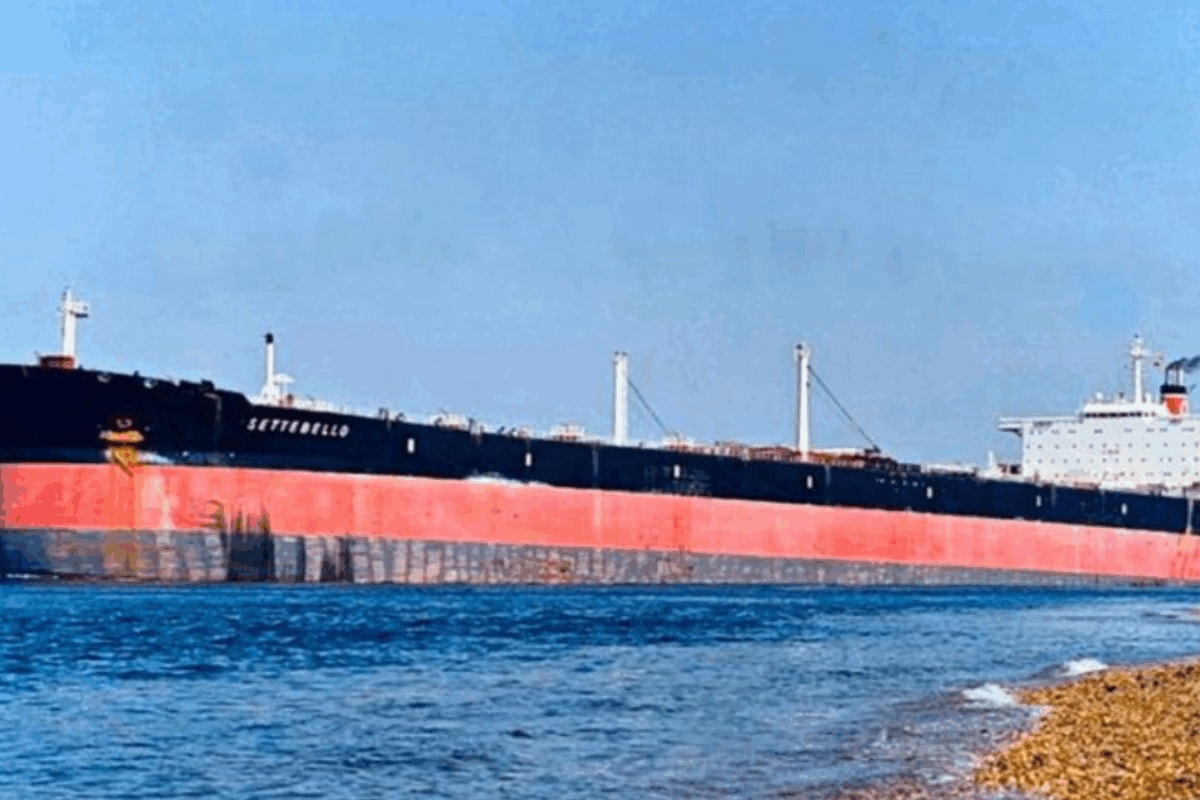
Firefighting operations involved 34 rescuers and 12 fire engines
Two Indian sailors have died and a chief engineer is missing after a commercial vessel, MT Settebello, was attacked near the Strait of Hormuz. While 21 of the 24 Indian crew members were rescued, the incident raises serious concerns for seafarers in the volatile Gulf region. India has formally protested the attack, emphasizing the need to protect maritime workers.
LARKANA: Water shortages in Sindh and Balochistan are deepening as Punjab continues to draw excess water, threatening the downstream provinces’ agricultural activities and drinking water supplies. According to data from the Sukkur Barrage Control Room on Wednesday, the total upstream inflow at Sukkur Barrage was recorded at 50,620 cusecs, while the total withdrawal stood at 32,120 cusecs. Irrigation department sources and representatives of growers and millers stated that the combined water allocation for Sindh’s seven canals is 53,200 cusecs. With the actual supply at just 32,120 cusecs, Sindh is facing an overall shortage of 21,080 cusecs, or 39.6 per cent. In contrast, upstream barrages and canal systems in Punjab continue to withdraw water well above their allocated share. Against an allocation of 44,000 cusecs, Punjab is currently drawing 53,394 cusecs — an excess of 9,394 cusecs, or 21.35pc. This continued over-withdrawal is directly reducing water availability downstream. Barrage and canal breakdowns The water distribution data across key canal systems paints a critical picture: Right Bank Canals (Sukkur Barrage): North West (NW) Canal: Receiving 2,100 cusecs against an allocation of 4,260 cusecs (50.7pc shortage).Rice Canal: Receiving 5,300 cusecs against an allocation of 8,700 cusecs (39.1 pc shortage).Dadu Canal: Receiving only 860 cusecs against an allocation of 5,997 cusecs, marking the most critical deficit at 85.7 pc. Left Bank Canals & Kotri Barrage: Nara Canal: Receiving 8,820 cusecs against an allocation of 13,037 cusecs (32.3 pc shortage).Khairpur Feeder East: Receiving 1,440 cusecs against an allocation of 2,150 cusecs (33pc shortage).Rohri Canal: Receiving 10,530 cusecs against an allocation of 15,541 cusecs (32.2pc shortage).Khairpur Feeder West: Receiving 1,160 cusecs against an allocation of 3,525 cusecs (67.1pc shortage).Kotri Barrage: Receiving 11,905 cusecs against an allocation of 26,900 cusecs (55.74pc shortage). Impact on Balochistan Under the 1991 Water Apportionment Accord, Balochistan is entitled to 2,200 cusecs through the North West Canal. However, because the total supply in the NW Canal has dropped to 2,100 cusecs, Balochistan is receiving less than its allocated share. Prior to the 1991 accord, Balochistan’s share was 451 cusecs. In light of the Indus River System Authority (Irsa) Accord, Sindh now routes the revised 2,200 cusecs to the neighboring province. Flows are monitored at the Garang Cross Regulator, located at RD-102 of the Khirthar/North Western Canal near the Sindh-Balochistan border, which serves as the primary inter-provincial control and measurement point. Official demands for equitable distribution Well-placed sources confirmed that irrigation officials formally communicated the severe deficit on Wednesday to the chief engineer of the Barrage Management Unit. The correspondence highlighted that the 85.7pc shortage in the Dadu Canal and the 50.7 pc shortage in the NW Canal are severely impacting the districts of Larkana, Shikarpur, and Qambar-Shahdadkot, alongside downstream areas in Balochistan. The communication — which was also sent to the secretary irrigation Sindh, secretary (technical) irrigation, and the director of regulation —called for immediate steps to ensure equitable distribution. Officials warned that the current scarcity poses an acute threat to seasonal crops, particularly rice production. Agro-economic threat to Larkana The water crisis threatens a vital economic hub. According to Khair Muhammed Shaikh, president of the Larkana Chamber of Commerce and Industry (LCCI), Larkana Division is a leading rice-producing region. “Larkana District alone produces around 242,000 metric tons of rice annually. The division contributes approximately Rs90 billion per year in foreign exchange from rice production alone. Furthermore, out of 650 rice mills in Sindh, nearly 500 are located in the Larkana region, underscoring its central role in agro-processing and trade.” Published in Dawn, June 11th, 2026
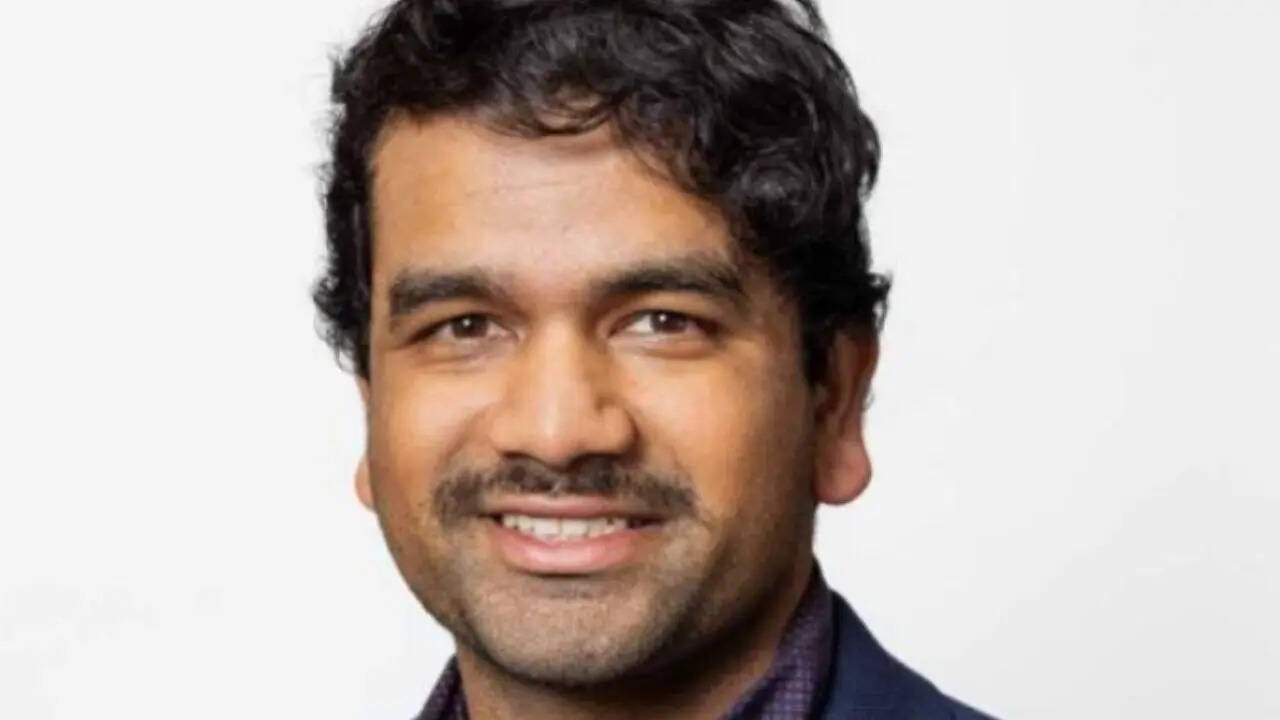
Indian-American engineer Vibhav Altekar is in the spotlight after a drone boat developed by his company, Saronic Technologies, helped carry out a first-of-its-kind US military rescue mission near the Strait of Hormuz. Here's a look at how the UC Davis graduate built a career in AI, autonomous systems and maritime technology before co-founding the defence tech company
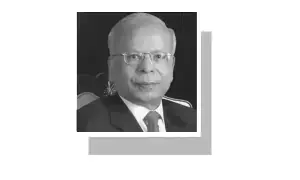
TIME has shown that the ideological debate between regulation and deregulation is largely misplaced. Governments and regulators have different roles under varying market structures and circumstances. In some areas, they regulate more actively; in others, they oversee operation of market forces. Evidence and outcomes, not ideology, should determine the state’s role. In Pakistan, the formal sector is often overregulated and burdened by procedures and discretionary powers that discourage innovation, investment and technological adoption. Regulatory enforcement is weak. Quacks, unsafe buildings, counterfeit drugs, etc, escape oversight. Excessive regulation in the formal sector and lax enforcement elsewhere encourages informality. Hence, thousands of enterprises prefer to remain outside the documented economy. Had they not had to face needless constraints, many could have grown into medium-sized firms, increasing output, employment, tax revenues and efficiency, while reducing the informal economy. Why is regulation required? In a mixed public-private economy, regulation is essential to ensure fair competition and protect consumers. Until the early 2000s, the same ministry made policies, owned enterprises and regulated the sector in which those enterprises operated. Recognising the inherent conflict of interest, the government initiated reforms to separate the functions. Ministries were assigned responsibility for policy formulation, SOEs for commercial operations and independent regulators for oversight and consumer protection. The logic was simple. A private firm can’t compete fairly with an SOE if the regulating ministry also owns one of the competitors. The ministry can alter policies, provide subsidies, absorb losses, grant tax concessions or create barriers that disadvantage private firms. Hence independent regulators were set up to create a level playing field and encourage competition. Have the aims of reform been achieved 25 years later? The challenge is to regulate intelligently, promote competition and enforce rules impartially. Take the energy sector. Though it has specialised regulators, we still face high energy tariffs, unaffordable electricity, poor service delivery and a circular debt running into trillions. One reason is that ministries and bureaucracies never fully accepted the transfer of authority to regulators and SOEs; conflicts between ministries and regulators weakened regulatory autonomy. The regulators’ governance structures, too, have been problematic. Appointments to bodies such as energy sector regulators Nepra and Ogra have often been influenced by considerations of loyalty and post-retirement accommodation, instead of expertise. Many positions are occupied by retired bureaucrats, instead of specialists in economics, finance, engineering, law or energy markets. Roles and responsibilities are blurred. Regulators make policy and regulatory decisions while exercising operational oversight over management, thus weakening accountability and creating confusion. Experience of over two decades suggests that Nepra and Ogra need significant restructuring. Removing direct price determination from their mandates is the first step. The SBP provides a model. It regulates the banking system and enforces prudential standards but doesn’t directly determine banking services prices. Similarly, petroleum and gas prices should gradually be deregulated and determined through market competition. Ogra should evolve into a modern supply-chain regulator, ensuring efficient utilisation of refineries, storage facilities, pipelines, terminals, etc. It should facilitate investment across the value chain, support development of strategic reserves and promote digitalisation of the fuel supply ecosystem. Ogra needs strong legal powers to act against hoarding, cartelisation, collusion, market manipulation and non-compliant OMCs, which requires a clearer demarcation of responsibilities between Ogra and the CCP. The Directorate General Petroleum Concessions’ regulatory functions should also be separated. Contract administration and compliance with concession agreements may remain with the concessionaire authority, while regulatory oversight should be transferred to Ogra. The Department of Explosives should also be integrated into Ogra. Power sector reform must begin with dismantling the single-buyer model and implementing the CTBCM, allowing multiple buyers and sellers to participate in electricity markets. The government would continue to own the transmission network and recover wheeling charges, while suppliers compete for customers. At an appropriate stage, Pakistan should gradually replace the uniform national tariff with targeted subsidies for remote, disadvantaged regions. Such a system would improve efficiency, reduce leakages and manipulation, lower end-user prices, encourage higher consumption and reduce capacity charges. Privatising Discos should not merely replace public monopolies with private monopolies. The underlying assets, including surplus land, should remain publicly owned and be leased to competitively selected operators. This would promote competition and safeguard public assets. Under this framework, Nepra’s role would shift from price setting to market surveillance, consumer protection, prevention of anti-competitive behaviour, enforcement of grid neutrality and promotion of transparent governance. It would focus on reliability, loss reduction, digitisation and service quality rather than tariff determination. The National Grid Company must also expedite investment in transmission infrastructure, especially removing bottlenecks between southern generation centres and northern demand hubs. Governance structures needed corresponding changes. Provincial representation should continue, but board members must focus on oversight, policy, transparency, audit, accountability and approval of plans and budgets. Once they become members, they can’t take directives implicitly or explicitly from the centre or provincial government to preserve neutrality and objective decision-making. Operational management should report to a professional CEO rather than directly to board members. Board composition should be broadened to include independent experts in energy, law, economics, finance, technology and information systems. Finally, recruitment and promotion within the regulators must be merit-based. Professional staff should be selected through open competition, while advancement should depend on performance. Continuous training and exposure to international regulatory best practices should be an integral part of capacity building. Pakistan’s real challenge is not to choose between regulation and deregulation, but to regulate intelligently, promote competition and enforce rules impartially. Strong, independent and professionally managed regulators are essential for attracting investment, protecting consumers and ensuring affordable, reliable energy supplies. Only then can regulation become an instrument of economic efficiency, instead of remaining an obstacle to growth. The writer was chairman, National Commission for Government Reforms (2006-2008) and adviser to the PM on institutional reforms (2018-2021). He thanks former chairmen of the regulatory bodies for their input. Published in Dawn, June 11th, 2026
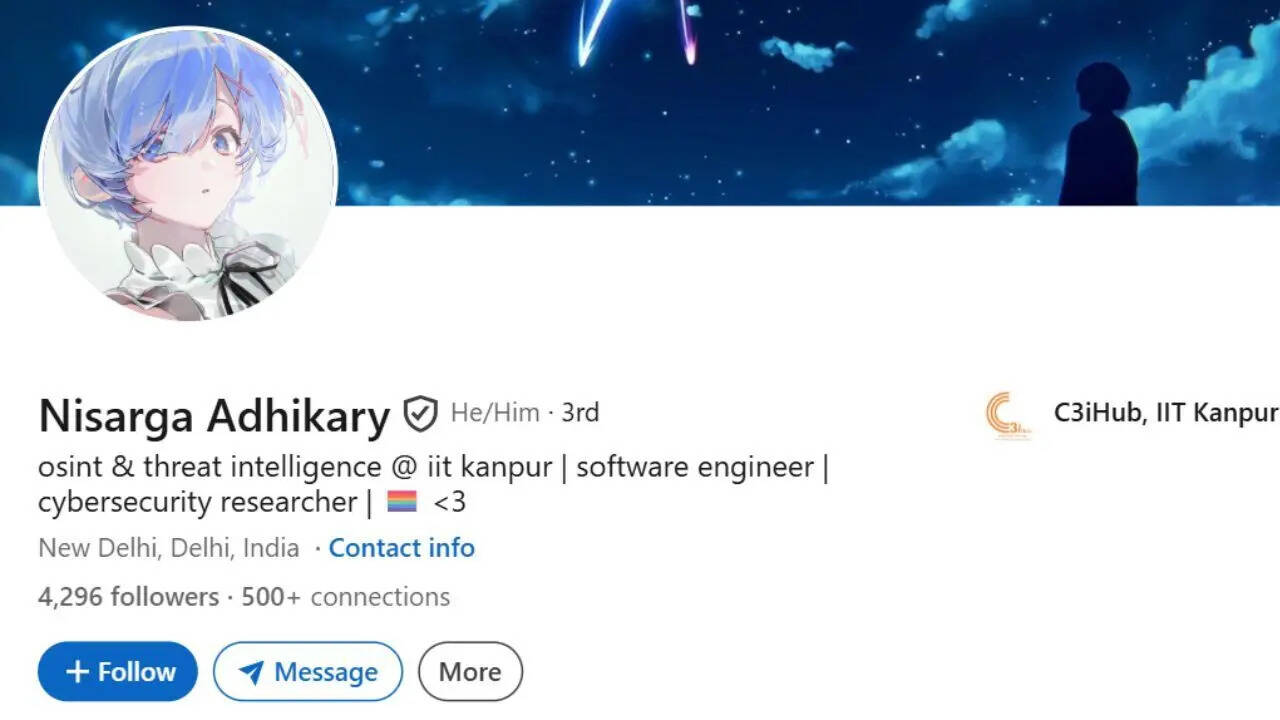
Nineteen-year-old ethical hacker Nisarga Adhikary, who recently highlighted security vulnerabilities in CBSE's digital systems, has been appointed as an OSINT and Threat Intelligence Engineer at IIT Kanpur's C3iHub. Adhikary's role will focus on identifying and analyzing cyber threats using publicly available information, following his public allegations about CBSE's data accessibility.
Court of Appeal rules that the late former Malaysian Highway Authority deputy director-general held beneficial ownership of the disputed property.
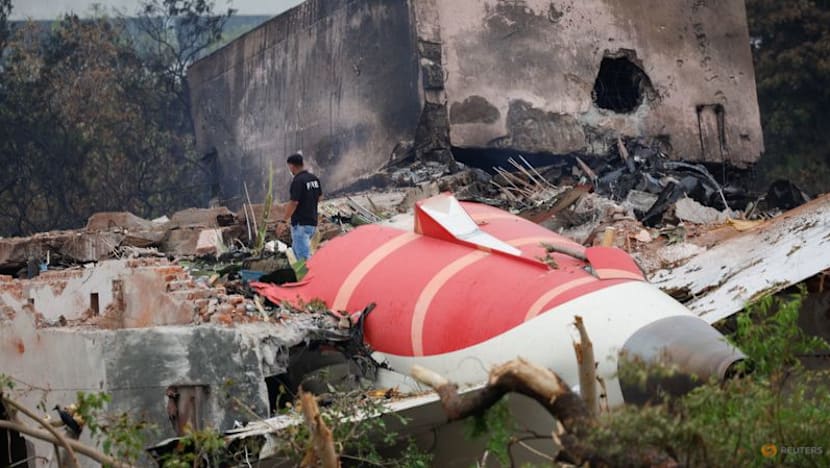
Investigators are set to miss the one-year deadline for the Air India Boeing 787 crash report, with critical engine analysis still underway in the US. A preliminary report indicated fuel control switches moved to 'CUTOFF' after takeoff, but confusion remains regarding pilot action or technical malfunction.
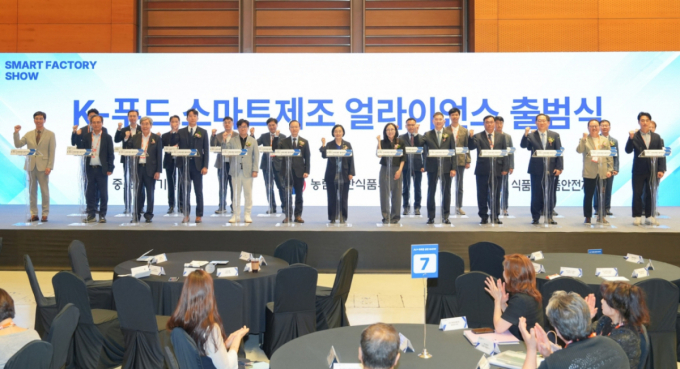
대상이 K푸드 산업의 제조혁신과 글로벌 경쟁력 강화를 위한 민관 협력체인 'K푸드 스마트제조 얼라이언스'에 참여한다고 11일 밝혔다. 'K푸드 스마트제조 얼라이언스'는 AI(인공지능) 기반 스마트제조(AX) 전환을 촉진하고 식품 제조업 전반의 협력 생태계를 강화해 K푸드의 글로벌 경쟁력을 높이기 위해 중소벤처기업부가 추진하는 민관 협력체다. 대상을 비롯해 CJ제일제당, 농심태경, 매일유업, 팔도 등 K푸드 대표 기업 15곳이 참여한다. 농림축산식품부, 식품의약품안전처, 한국식품산업협회 등 정부와 유관기관도 함께한다. 지난 10일 서울 코엑스 D홀 메인무대에서 열린 출범식에는 한성숙 중소벤처기업부 장관, 김종구 농림축산식품부 차관, 김용재 식품의약품안전처 차장 등 정부 관계자와 식품업계 주요 관계자들이 참석했다. 대상에서는 이병선 E&E(Energy Engineering)실장이 참석했다....
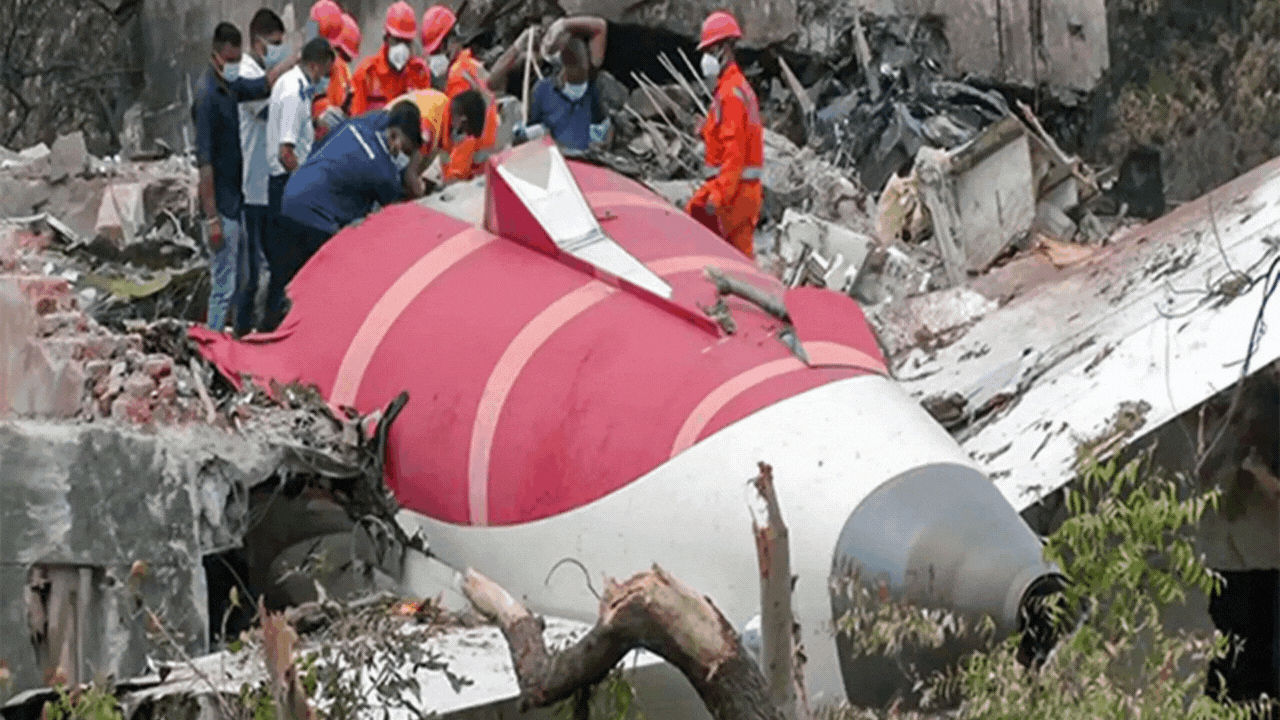
The Boeing 787 Dreamliner, operating as Air India flight AI-171 from Ahmedabad to London Gatwick, crashed into a buildings of a medical college.
This week, Nisarg Adhikary was appointed Open-Source Intelligence (OSINT) and threat intelligence engineer at IIT Kanpur’s technology innovation hub C3iHub.
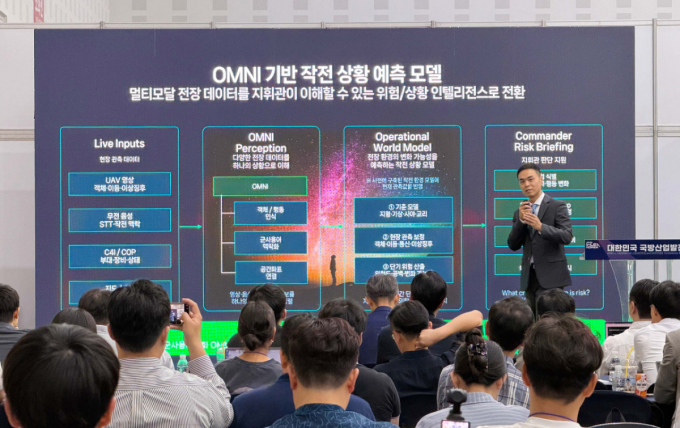
네이버클라우드가 소버린 AI를 기반으로 한 국방 AI 전환 전략을 공개했다. 단순한 AI 모델 개발을 넘어 실제 작전 현장에서 활용 가능한 전력화 체계를 구축하겠다는 구상이다. 네이버클라우드는 지난 10일 대전컨벤션센터에서 열린 'InLEX 대한민국 국방산업발전대전'에서 '소버린 AI 기반 국방 AX 발전 전략 세미나'를 개최했다고 11일 밝혔다. 이번 세미나에서 네이버클라우드는 텍스트·음성·영상·지도 등 다양한 전장 데이터를 하나의 작전 상황으로 통합 이해하는 옴니모달 AI 모델과 현장 엔지니어를 전진 배치하는 FDE(Forward Deployed Engineer) 체계를 국방 AI 주권의 핵심 축으로 제시했다....
New name, Bristol Dockyards, and museum revamp aimed at becoming more rooted in community, says chief executive One of the UK’s maritime landmarks is being renamed as part of a drive to make it “cooler” and more inclusive. For a decade, the dockland site in Bristol that houses the ocean liner SS Great Britain, which was designed by the Victorian engineer Isambard Kingdom Brunel, has been promoted as Brunel’s SS Great Britain. Continue reading...
A former xAI engineer is suing the company and SpaceX, alleging he was fired for raising AI safety concerns about Grok days before SpaceX's historic IPO.
Formula 1 agrees a two-step plan to change engine design in response to criticism of this year's new rules.

It is powered by a closed-cycle gas turbine engine, running on diesel fuel