Relief and wariness: Asia watches US-Iran deal for real impact
AI Summary
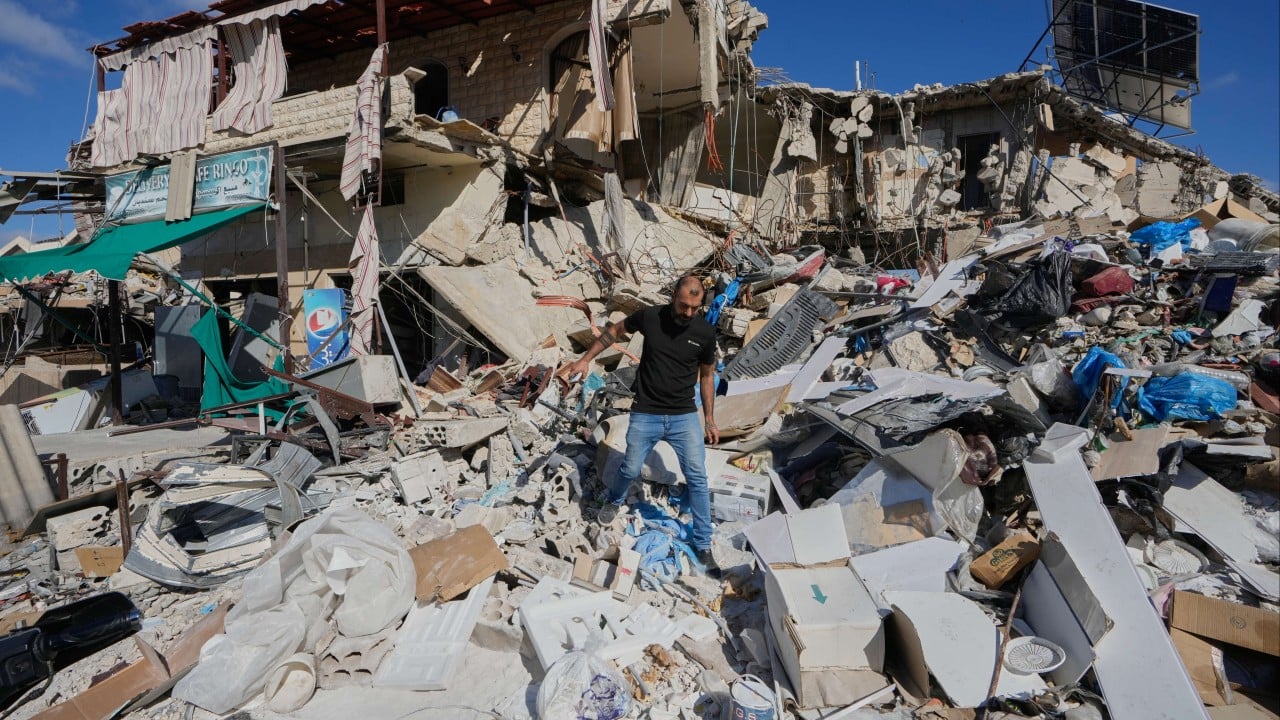
Israeli military strikes on Beirut on Sunday prompted US President Trump to publicly rebuke the action, warning it threatened to derail a pending US-Iran peace agreement that was expected to be finalized. Trump called for both Israel and Hezbollah to cease hostilities, arguing that continued attacks risked undermining the diplomatic breakthrough. Although the strikes delayed the signing by several hours, Trump maintained that the agreement remained on schedule for completion.
Progressive: Progressive-leaning outlets emphasized Trump's direct blame of Israel, framing the military strikes as the primary threat to the emerging peace deal and highlighting the administration's frustration with Israeli action jeopardizing the diplomatic breakthrough.
Moderate: Centrist outlets reported Trump's criticism of the Israeli strikes while prominently featuring his reassurances that the deal remained viable and on track, and stressed his calls for restraint from both Israel and Hezbollah to preserve the nascent agreement.
The US-Iran peace deal is likely to bring immediate relief but not yet reassurance for Asia, as leaders across the region watch whether the Strait of Hormuz reopens, oil prices ease and the agreement can withstand the nuclear talks and geopolitical distrust still ahead, analysts say.
The agreement, mediated by Pakistan and scheduled to be signed on Friday in Switzerland, is intended to end more than three months of war in the Gulf, halt the US blockade of Iran and reopen one of the world’s most...
이 뉴스, 독자들은 어떻게 느꼈나요?
첫 반응을 남겨보세요로그인하면 감정 반응에 참여할 수 있어요.