U.S.-Iran deal offers relief to S. Korean economy, but lower energy prices may take time
AI Summary
President Trump announced that the United States and Iran have reached a peace agreement to end their roughly three-and-a-half-month conflict, with both nations committing to permanently halt military operations across all regions including Lebanon. Trump authorized the lifting of the US naval blockade and reopening of the Strait of Hormuz to maritime traffic. An official signing is planned for June 19 in Switzerland, following diplomatic mediation by Pakistan.
Progressive: Progressive-leaning outlets reported the announcement with factual focus, covering the signing ceremony details and agreement framework without prominently featuring the celebratory aspects of Trump's rhetoric.
Moderate: Centrist outlets reported the deal while emphasizing remaining details and uncertainties, particularly regarding the full agreement terms and the timeline for Strait of Hormuz reopening.
Conservative: Conservative-leaning outlets prominently featured Trump's declaration of success and his celebratory language, emphasizing the economic optimism regarding renewed oil exports and maritime commerce.
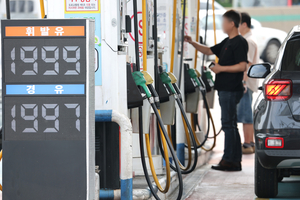
A ceasefire agreement between the United States and Iran and plans to reopen the Strait of Hormuz have eased one of the biggest external risks facing South Korea's economy, but oil prices could take time to stabilize and return to pre-war levels, experts said Monday.
US President Donald Trump announced Sunday that Washington and Tehran have reached a peace deal aimed at ending their monthslong conflict, saying that the strategically vital Strait of Hormuz will reopen once the agreement is formal ...
이 뉴스, 독자들은 어떻게 느꼈나요?
첫 반응을 남겨보세요로그인하면 감정 반응에 참여할 수 있어요.