A logistics company designed an AI tool inspired by its supply-chain veteran COO. Meet Uncle Phil.
Lazer Logistics' AI tool, Uncle Phil, revolutionizes yard management by providing site managers with Phil Newsome's decades of logistics expertise.
"PROVIDING" · 총 275건
필터 보기현재 지수
49.4
0 = 부정 우세
50 = 중립
100 = 긍정 우세
최근 7일 기준 91,510건을 분석한 결과, 뉴스 심리지수는 49.4(균형)입니다. 긍정 11,038건(12.1%)·중립 66,190건(72.3%)·부정 14,282건(15.6%)이며, 중립 비중이 뚜렷하게 높습니다. 성향 지수는 종합 20.9(보수 경향)입니다.
Lazer Logistics' AI tool, Uncle Phil, revolutionizes yard management by providing site managers with Phil Newsome's decades of logistics expertise.
After taking charge as Chief Minister on June 3, 2026, D.K. Shivakumar announced a scheme providing free bus travel to students across the State
A newly discovered whale graveyard in the southeastern Indian Ocean is providing scientists with a rare glimpse into how marine life can thrive for millions of years at great depths.
New Delhi: A tech firm has delivered to the Army 106 turbojet-powered kamikaze drones designed to engage high-value targets deep inside enemy territory and operate in contested electromagnetic environments, according to a statement.With an operational range of 180 km and speed of up to 450 kmph, the drone -- Peacekeeper (Agniveg) -- is capable of conducting autonomous precision strike missions against critical military infrastructure, logistics hubs, command centres, radar installations and other strategic targets, defence technology firm SMPP said on Thursday."Combining long-range reach, precision strike capability and the ability to strike at extremely high speeds, the system provides the Indian Army with a flexible and cost-effective option for prosecuting time-sensitive targets while reducing risk to personnel," it said in the statement.According to SMPP, the drone is designed to operate in contested electromagnetic environments. It can continue mission execution despite hostile electronic warfare measures, including jamming and spoofing attempts."SMPP has completed the delivery of 100 jet-based peacekeeper (Agniveg) operational drones and six training drones to the Indian Army."It is a significant milestone in India's unmanned warfare capabilities and reinforces the nation's commitment to self-reliance in critical defence technologies," the statement said.The delivery follows successful user trials in which the Peacekeeper (Agniveg) demonstrated a "Circular Error Probable (CEP) of less than five metres, showcasing an operational range of about 180 kilometres", while operating in a heavily jammed and spoofed environment, it said.The performance highlights the system's precision, reliability and ability to operate in contested battlefield conditions.The induction of the Peacekeeper (Agniveg) comes at a time when modern warfare is increasingly being shaped by precision-guided unmanned systems capable of delivering significant battlefield effects at a fraction of the cost of conventional strike platforms, SMPP said."The system bridges the capability gap between conventional artillery and long-range missile systems, providing commanders with a new layer of precision strike capability," it said.Ashish Kansal, CEO and Director of SMPP, said, "The successful completion of Peacekeeper (Agniveg) deliveries to the Indian Army in a short time frame of six months is a significant milestone for SMPP and for India's indigenous defence manufacturing ecosystem."Modern warfare is increasingly defined by precision, autonomy and affordability, and systems such as Peacekeeper are becoming critical force multipliers on the battlefield, he said.The Peacekeeper programme reflects SMPP's ongoing evolution into a diversified defence technology company, he added.Building on its leadership in ballistic protection systems, the company is expanding its presence across precision strike capabilities, drone and counter-drone systems, large and medium calibre ammunition and next-generation battlefield technologies, supporting India's vision of creating a resilient and self-reliant defence manufacturing ecosystem, the statement said."Having completed deliveries under the current order, SMPP has also offered an enhanced variant of the Peacekeeper (Agniveg) with extended operational range for future consideration," it said.
"We can confirm the death of a US government employee assigned to US Embassy Rangoon," a State Department spokesperson said, without providing additional details.
British progressives were scandalized last week when 5Pillars, a prominent Muslim news organization known for supporting the U.K. Green Party, published a homophobic “guide” on navigating Pride month. The incident laid bare the intellectual and moral incoherence of Islamo-left alliance, providing a useful case study for Canadians who feel anxious about Muslim-led intolerance. The short “practical” […]
A police spokesperson told Global News the move was to deal with safety concerns like 'large crowds gathering around team vehicles.'

(Dirty Hit) Aided by Jack Antonoff, Kim Gordon, Sampha and more, the cello-playing singer-songwriter’s abstracted yet tuneful second album is worth the seven year wait Seven years separate the release of cello-playing singer-songwriter Kelsey Lu’s debut album, Blood, from its follow-up. Lu has suggested the long gap was an act of artistic rebellion against a music industry obsessed with providing a constant stream of new product – “tuning into my intuition, trusting myself and building a team to support that”, as they put it. Perhaps they wanted to carve their own path after a cover version – of 10cc’s I’m Not in Love, used in HBO drama Euphoria – became their most successful song, or perhaps they simply didn’t have the time to make an album amid their plethora of other interests. They have scored two movies: the Bafta-winning Earth Mama and the Netflix documentary feature Daughters. They have collaborated with Beverly Glenn-Copeland, Yves Tumor, Mykki Blanco, Jamie xx, Boys Noize and visual artist Kevin Beasley and contributed a version of Manchild to a Neneh Cherry tribute compilation and more. They have been photographed by Nan Goldin for a Gucci campaign and staged a performance art piece at New York’s Metropolitan Museum of Modern Art. They have also appeared on stage with Debbie Harry, while dressed as Kermit the Frog, recreating the Blondie vocalist’s famed 1981 appearance on The Muppet Show. Continue reading...
The World Cup kicks off on Thursday with co-hosts Mexico taking on South Africa in the Estadio Azteca in Mexico City, launching a sprawling tournament of 48 teams that will last nearly six weeks. The extravaganza hosted by the United States, Mexico and Canada is the biggest World Cup in history, stretching until the final in New Jersey on July 19. It is projected to generate a record-breaking $13 billion in total revenue. But football’s world governing body FIFA has faced stinging criticism over the eye-watering costs of tickets while US President Donald Trump’s immigration crackdown has seen a top referee, Iranian team officials and fans refused entry to the US. Speaking in Mexico City on Wednesday, FIFA President Gianni Infantino launched a spirited defence of the organisation of the tournament and brushed off criticism over visa issues. Infantino insisted that tickets — which in some cases have topped $30,000 — had been priced appropriately, citing a small number of $60 tickets that were made available in response to criticism. “Let me just say that our entry price, which is 60 dollars, is the lowest entry price of any of the American sports in the play-off phases,” Infantino said. “Our average price which is below 500 dollars is again the lowest of the American sports on average.” ‘We don’t control everything’ Infantino also played down the controversy surrounding Somali World Cup referee Omar Artan, who was refused entry after arriving in Miami. FIFA has since confirmed Artan, who the US State Department said had “associated with suspected members of terrorist organisations,” will play no part in the tournament. “It is unfortunate what happened to the referee from Somalia,” Infantino said. “We don’t control everything… Sometimes it’s good to chill, relax, we work on everything, we try to solve everything.” The FIFA leader also portrayed Iran’s participation at the World Cup in the midst of its military conflict with the US as a victory for his organisation. “People were saying Iran couldn’t come to the World Cup,” Infantino said. “There are challenges, it’s not easy, but I don’t know who else would have been able to ensure in these circumstances — which we could not influence — Iran could come and play.” Infantino’s close relationship with Trump has come under scrutiny but the FIFA chief lavished praise on the US president. “Without his engagement and involvement, I think it would have been, simple as that, impossible to organise a World Cup in the United States,” Infantino said of Trump. Trump confirmed on Wednesday he plans to attend some World Cup matches, without providing details. “I spoke to Gianni this morning… he said there’s never been anything close” to the success of the coming tournament, Trump said. Wall of noise South Africa coach Hugo Broos warned his players to block out a wall of sound during the opening match in the Estadio Azteca, a legendary venue that hosted the 1970 and 1986 World Cup finals. “They will have 85,000 Mexicans shouting and singing. But we have to focus on our game. And if we can do that… then we can have a good game,” the Belgian said. Mexico have not won any of their seven appearances in an opening game. “We have to break the statistic,” coach Javier Aguirre said. “It will be another source of motivation.” South Korea and the Czech Republic play the second game on the opening day, in Guadalajara. Spain, France and England are the favourites, while reigning champions Argentina will look to their 38-year-old talisman Lionel Messi to drive them to the final. England wrapped up their preparations on Wednesday with an impressive 3-0 win over a feisty Costa Rica in a match delayed by an hour because of thunderstorms in Orlando. Coach Thomas Tuchel liked his side’s intensity as Declan Rice, Anthony Gordon and Ollie Watkins got on the scoresheet. “Until now, it was more a feeling of a pre-season, like an overseas pre-season,” the England boss said. “I think we set the tone today.”
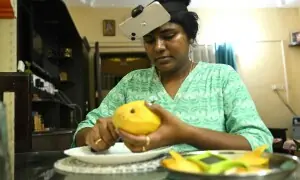
With a smartphone strapped to her head, Indian housewife Nagireddy Sriramyachandra films herself slicing mangoes to train AI-powered robots to take on household jobs in the future. Earning just over two dollars for an hour of video, her mundane recordings are invaluable for global tech companies teaching machines how to move like humans in the real world. The 25-year-old is one of a growing army of thousands of AI system trainers in the world’s most populous country. “Who else will give you 250 rupees an hour just for doing housework?” said Sriramyachandra from her kitchen in Chennai in southern India’s Tamil Nadu state. “I may get a robot myself in the future,” she added. This photograph taken on May 15, 2026 shows an Indian housewife Nagireddy Sriramyachandra wearing a smartphone on her head as she records her actions through motion capture while slicing mangoes at her home in Chennai. — AFP Artificial intelligence chatbots and image generators crunch reams of digital data, but building systems to navigate real-life environments is more challenging. Developers think feeding first-person footage, called “egocentric data”, into specialised AI models will help robots copy humans. Some AI trainers work at home, others in factories or specialised studios — using video glasses, head-mounted cameras and motion sensors. “It blares ‘hands not detected’ when I’m not recording properly,” said Sriramyachandra, who sends recordings via a special app to the AI data company Objectways. This photograph taken on May 13, 2026 shows a worker (R) wearing a RGB camera on her head recording actions through motion capture while arranging colored blocks at AI data company Objectways’ office in Tamil Nadu’s Karur district. — AFP The firm, which has offices in India and the United States, lists Fortune 500 multinationals as clients. It works with Amazon SageMaker, a platform for machine learning models. ‘Better things’ The humanoid robot market is booming, with investment bank Morgan Stanley predicting there could be over a billion in use by 2050, mostly for industrial and commercial purposes. “Folding clothes, coffee making… cooking a very specific thing, sandwich making,” Objectways head Ravi Shankar said, listing videos requested by clients. “Some jobs are supposed to be taken over, so humans can go and do better things.” In India, the emerging field of spatial AI is providing new employment — for now. This photograph taken on May 13, 2026 shows a worker wearing a GoPro camera on his head recording actions through motion capture while folding towels inside a model bathroom at AI data company Objectways’ office in Tamil Nadu’s Karur district. — AFP The 50-year-old CEO is US-based, but hires workers from Tamil Nadu, where he grew up, one of India’s international technology hubs. At a Karur textile factory, busy with workers attaching labels to caps and ironing cloth bags, AFP saw eight people wearing head cameras and smart glasses supplied by Objectways. India has positioned itself as a global middleman for the creation, processing and annotation of AI data. “It’s likely that these data collection services will increase”, said digital labour expert Aditi Surie, from the Indian Institute for Human Settlements in Bengaluru. Informal workers India is aggressively developing its AI industry, but its leaders are aware that, alongside the technology’s much-hyped benefits, automation poses risks. Government think-tank NITI Aayog said that most discussions around artificial intelligence and labour “focus on white-collar professionals and predict an almost certain loss of jobs in the segment” without urgent action. “Little attention, if any, is paid to how AI can serve India’s 490 million informal workers, the very people who form the backbone of our economy,” it said in a report released ahead of a global AI summit in India this year. The think-tank has examined how the technology could help or harm dozens of professions — from cobblers to sewer cleaners, farmers to tea sellers. For the last decade, 55-year-old Ponni has sat on a roadside in Bengaluru, the city known as India’s Silicon Valley, making flower garlands. She, too, has been paid to have a phone strapped to her forehead. “The next generation… who might have to do work similar to mine — they will face a problem,” Ponni said. Always wearing a camera At an Objectways studio, AI system trainers film themselves performing household tasks in fake, fully furnished apartment rooms. After several thousand hours of filming, the wallpaper is changed to provide clients with variety. “Today I sit here, tomorrow I stand there,” said engineering graduate Rani N., 21, on a break from filming herself, once again, folding a towel. Each video lasts about four minutes, and she records around 90 a day — on nearly every conceivable spot on the bed. She says the job is “tolerable”, but feels like she’s always wearing a camera. This photograph taken on May 15, 2026 shows an Indian housewife Nagireddy Sriramyachandra wearing a smartphone on her head as she records her actions through motion capture while washing dishes at her home in Chennai. — AFP In other rooms, colleagues arranged pencil sharpeners, water bottles and crayons in patterns, recording with depth-sensor cameras. Qanat Consulting Services in Andhra Pradesh, an Objectways subcontractor, supplies about a dozen larger data firms with recordings. Some of its 2,000 contributors perform tasks with motion-sensor bands on their “wrists, hands and legs”, CEO Thaslim Pattan said. Manish Agarwal of Bengaluru-based Humyn Labs, not related to Objectways, records conversations as well as videos. Contributors discuss assigned topics — ranging from politics to entertainment — for clients wanting to process speech patterns. Agarwal denies that robots will steal jobs, believing that networks of humans and robots “will work together” one day, he said. “A welder in India could be managing a welder-robot in Prague,” he said.
As the world gears up for Elon Musk's SpaceX IPO at a staggering $1.75 trillion valuation, a relatively lesser-known Indian company is emerging as an unlikely beneficiary thousands of miles away. INOX India, a global leader in cryogenic technology, has found itself in the spotlight as investors hunt for domestic companies with exposure to the rapidly expanding global space ecosystem.The excitement around SpaceX's public listing has already spilt over into INOX India's stock. Shares of the company have surged 25% over the past month and have gained in seven of the last eight trading sessions.The frenzy surrounding SpaceX's IPO, which reports suggest was oversubscribed nearly four times, has prompted investors to look beyond the headline-grabbing U.S. listing and identify potential beneficiaries closer home. For many, INOX India appears to fit that bill. But what exactly is the connection?Inox's aerospace pushDuring its Q4 earnings call, the company disclosed that it had secured a significant aerospace order from a leading U.S.-based private space company. The total order value is approximately Rs 200 crore. Management said it expects additional high-value orders in the first quarter of FY27."This order is a direct outcome of our proven execution capabilities and reinforces the growing confidence that global aerospace players have in INOX India's engineering expertise," the company said."Aerospace cryogenic systems are not short-term trends, but a long-term structural opportunity. We believe that INOX India is well-positioned to capitalise on these opportunities through its engineering expertise, diversified capabilities, and expanding global presence and footprint," the company added.Can Inox India shares rally more?According to Sunny Agrawal, Head of Research at SBI Securities, investor interest in INOX India has picked up significantly ahead of the SpaceX listing. Beyond aerospace, the company is also expanding into segments such as data centres, nitrogen supply and distillery kegs, providing additional growth levers."Management has guided for 15-20% growth per year, and after the recent rally, the stock is trading at a relatively rich valuation of about 56 times one-year forward earnings," Agrawal said. He believes investors may be better off waiting for a correction before making fresh purchases. "Investors may consider waiting for a correction before fresh entry, as some profit-taking and a cooling-off in the stock could follow once SpaceX gets listed," he added.SpaceX IPOThe much-anticipated SpaceX IPO is scheduled to be priced on June 11, with trading set to commence on the Nasdaq on June 12. The company is looking to raise $75 billion through the offering, which would value the business at approximately $1.75 trillion.Despite the enormous investor enthusiasm, SpaceX remains loss-making. For 2025, the company reported revenue of $18.67 billion and a net loss of $4.94 billion. Much of the bullishness around the stock is tied to its future opportunities across satellite broadband, launch services, defence contracts and AI-related businesses rather than its current earnings profile.Not everyone is convinced by the valuation, however. Morningstar said in a note published on Monday that the company appears "significantly overvalued" and suggested that investors may find more attractive entry opportunities after the stock begins trading.Inox India Q4 snapshotINOX India reported a strong performance for the fourth quarter of FY26, with revenue rising 24.2% year-on-year to Rs 475 crore. Adjusted EBITDA grew 13.4% to Rs 108 crore, while adjusted profit after tax (PAT) increased 9% to Rs 72 crore compared with the corresponding quarter last year.Exports continued to be a key growth driver, with export revenue standing at Rs 291 crore and contributing 61% of total quarterly revenue. During the quarter, the company secured order inflows worth Rs 504 crore, taking its total order backlog to Rs 1,514 crore.For FY26, INOX India delivered its highest-ever annual revenue of Rs 1,632 crore, up 21.2% year-on-year. Adjusted EBITDA rose 20.2% to Rs 388 crore, while adjusted PAT increased 19.3% to Rs 261 crore. Annual export revenue came in at Rs 971 crore, accounting for 59% of total revenue, reflecting sustained strength in international demand throughout the year.INOX India shares have risen 64% since the start of the year.(Disclaimer: Recommendations, suggestions, views and opinions given by the experts are their own. These do not represent the views of The Economic Times)
Authorities are providing AI care devices to seniors living alone, including in districts of Seoul and in Yongin, south of the capital.
[Nile Post] Uganda has not registered any new Ebola cases in the past five days, providing an encouraging sign for health authorities working to contain the outbreak and prevent further transmission.
NEW YORK: A former Afghan Taliban commander charged by the United States with abducting a journalist and supporting fighters who killed American troops in 2008 was sentenced on Tuesday to 42 years in prison. Haji Najibullah, 50, was accused by US prosecutors of kidnapping an American journalist, identified as New York Times journalist David Rohde, and two Afghan civilians. He was also charged with the deaths of three US soldiers and an Afghan interpreter in an attack by forces under his command in June 2008. Arrested in Ukraine, he was extradited to the United States in 2020. He pleaded guilty last year to hostage taking and providing material support for acts of terrorism resulting in death, according to a Justice Department statement. “Those who harm Americans and engage in acts of terrorism will be hunted down and brought to justice, no matter how long it takes,” Acting Attorney General Todd Blanche said in the statement. Rohde was kidnapped in Afghanistan in November 2008, along with a translator and a driver. According to the Times, which managed to keep the news of his kidnapping secret so as not to endanger him, Rohde managed to escape from his captors in June 2009. Najibullah acted as a prominent Taliban commander and unofficial spokesperson in Afghanistan’s Wardak province, managing over 1,000 fighters near Kabul. He confessed to orchestrating ambush-style attacks against US military convoys. His forces were directly responsible for a June 2008 attack that killed three US soldiers and an Afghan interpreter, as well as the downing of a military helicopter in October 2008. Published in Dawn, June 11th, 2026
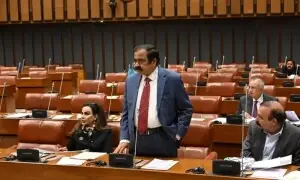
• Sanaullah says 12 reserved seats represent families displaced from held Kashmir • Opposition alleges ‘massive rigging’ in GB elections; PTI stages walkout • Minister tells lawmakers Rs5.4bn disbursed in fuel subsidy • House unanimously passes five bills ISLAMABAD: Adviser to the Prime Minister on Political and Public Affairs Rana Sanaullah on Wednesday told the Senate that 12 reserved seats for refugees in the Azad Jammu and Kashmir (AJK) Legislative Assembly would not be abolished, saying they represented families displaced from India-occupied Kashmir. Responding to a point raised by the upper house’s opposition leader, Allama Raja Nasir Abbas, Sanaullah said the seats could not be abolished through executive orders. He added that all political parties in AJK, its parliament and other constitutional forums supported retaining refugee representation within the constitutional framework. The adviser said the government had accepted 37 of the 38 demands put forward by the Jammu Kashmir Joint Awami Action Committee (JAAC). “The government remained engaged with JAAC for several months,” he said, adding that a written agreement was signed after negotiations on 37 demands. “The sole outstanding demand concerning refugee seats in the AJK Legislative Assembly involved constitutional and legal complexities,” he told the House. On June 5, the AJK government designated JAAC a proscribed organisation under anti-terrorism laws. Sanaullah said JAAC had initially emerged in 2023 with demands relating to electricity tariffs and wheat subsidies. He added that the government addressed the committee’s major demands by providing electricity at Rs4 per unit, subsidised wheat and a Rs23 billion relief package for the region. He alleged that certain elements sought to create instability ahead of the upcoming elections in AJK despite repeated offers of dialogue. “They knew the polls are due before August 4 and gave a call for protest on June 9 back in January,” he said, adding that peace and stability in AJK would be maintained in accordance with the law. ‘Massive rigging’ Opposition leader Raja Nasir Abbas alleged “massive rigging” in Gilgit-Baltistan’s June 7 general elections, saying the results were “against the wishes of the people”. He warned that “rigging weakened public confidence” and said “creating a distance between the people and the system” would have dangerous consequences. He also referred to recent unrest in AJK, saying political interference would bring further turbulence. “The ban on information gives rise to rumours and turbulence,” he said, adding that the people of GB had concerns about the “occupation of land and minerals by outsiders”. After Deputy Chairman Syedaal Khan Nasar did not allow the opposition leader to continue speaking on the issue, PTI members staged a protest walkout. The deputy chairman said the opposition leader should contact the GB Election Commission if he had complaints. Fuel subsidy Finance Minister Muhammad Aurangzeb told the House that the government would continue efforts to protect low-income groups from higher fuel prices while maintaining economic stability. Responding to a calling-attention notice by Senator Mohsin Aziz, he said Rs5.4bn had been disbursed so far under a targeted fuel subsidy programme, besides Rs4.61bn in support for small farmers amid rising international fuel prices. He said an overall subsidy of Rs129bn was provided after tensions in the Middle East pushed up global oil prices. The government shifted from a general subsidy to a targeted programme for motorcycle owners, public transport users, transport operators and small farmers. Around 800,000 motorcycle owners had benefited, while financial assistance ranging between Rs35,000 to Rs100,000 was provided to passenger and goods transport vehicle owners. In the first phase, Rs3.5bn was distributed among more than 105,000 vehicle owners, while Rs1.9bn was disbursed among over 65,000 beneficiaries in the second phase through a transparent verification system. The House unanimously passed five bills: the Motion Pictures (Amendment) Bill, the Travel Agencies (Amendment) Bill, the Pakistan Tourist Guides (Amendment) Bill, the Pakistan Hotels and Restaurants (Amendment) Bill, and the Pakistan International Airlines Corporation (Conversion) (Repeal) Bill. Published in Dawn, June 11th, 2026
Two magnificent entrance gates on either side of the Ayodhya-Lucknow Highway are now providing the route with a distinct and impressive new appearance.

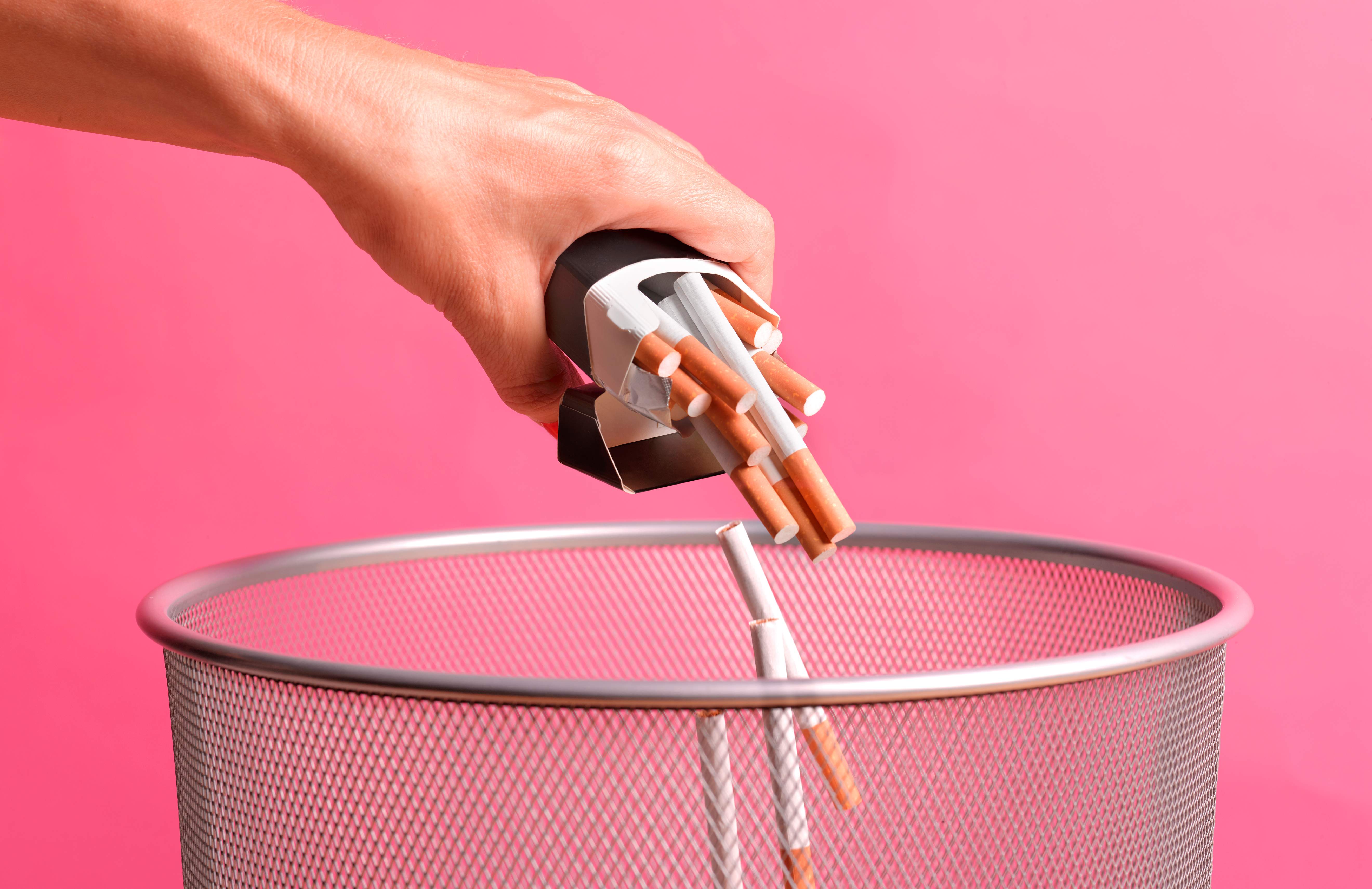
While quitting smoking can feel like an uphill battle, an Indigenous-led program is helping by providing a hands-on approach to reducing commercial tobacco use.

Tech millionaires claim China is behind a wave of local opposition to U.S. data centers, while providing little direct evidence.

The legislation would make it illegal to express support for designated proxies or to take money from them, providing for jail terms of up to 14 years.
LAHORE: Guinness World Records has sought medical records from the Pakistan Kidney and Liver Institute and Research Centre (PKLI&RC) after its 120-member team of surgeons and support staff claimed a record-breaking achievement by performing 10 liver transplant procedures, including one on a nine-month-old child, in 23 hours and 20 minutes. A Guinness official said a team is also expected to visit PKLI&RC in this regard. The medical institute received a response from Guinness after submitting the case online along with visual evidence. “We have achieved a landmark breakthrough in transplantation medicine, demonstrating a novel clinical approach that expands organ utilisation and advances the treatment of rare metabolic diseases,” said Dr Prof. Faisal Saud Dar, dean of PKLI&RC, during a press briefing on Wednesday. The specialised multidisciplinary team, comprising transplant surgeons, hepatologists, paediatricians, anaesthetists, intensivists, nurses, transplant coordinators and allied healthcare professionals, was also present. Describing it as an unprecedented demonstration of surgical innovation and clinical excellence, Prof Dar said the PKLI&RC team of senior surgeons successfully performed 10 liver transplants in 23 hours and 20 minutes, including seven domino liver transplants and eight Auxiliary Partial Orthotopic Liver Transplants (APOLT). A domino liver transplant is a sequential procedure in which one patient’s healthy liver is removed and transplanted into a second recipient, while APOLT is a complex surgical procedure in which a partial donor liver is implanted alongside a portion of the patient’s native liver. “This innovative transplant strategy enabled nine children and one adult to receive life-saving liver transplants from only three donors, demonstrating how advanced surgical expertise can substantially expand the impact of scarce donor organs,” he said. He added that all patients had been discharged from the hospital and reunited with their families. Prof Dar said the initiative successfully integrated two of the world’s most sophisticated transplant techniques into a highly coordinated clinical programme — Domino Liver Transplantation and APOLT. “The scientific novelty of this initiative lies in the successful execution of a coordinated series of domino and auxiliary liver transplants for patients with rare inherited metabolic disorders,” Prof Dar said. He maintained that these pioneering procedures represented a significant advancement in the treatment of rare genetic and metabolic diseases, opening new possibilities for patients who previously had limited therapeutic options. He added that the successful case exemplified what transplant specialists describe as a “metabolic chimera” — a sophisticated transplantation model that combines scientific innovation, surgical precision and responsible organ stewardship to extend the benefits of a single donor organ to multiple recipients. “By optimising organ utilisation, this approach offers new possibilities for addressing donor scarcity and expanding access to life-saving transplantation.” “Beyond its clinical and scientific significance, the initiative represents a powerful story of hope and renewed possibility,” the PKLI&RC dean said. The achievement highlights the strength of regulatory governance and clinical excellence in advancing transplant care in Pakistan, he added. Provincial Minister for Finance Mian Mujtaba Shujaur Rehman, who was also present on the occasion, congratulated the entire PKLI&RC team for setting a new benchmark in liver transplantation and bringing international recognition to Pakistan through excellence in healthcare. He said the rare procedure further reinforced PKLI&RC’s position as a leading centre for transplantation, advanced clinical care and medical innovation in the region. Prof Saeed Akhtar, chairman of the PKLI&RC Board of Governors, reaffirmed the institute’s commitment to its vision of providing patients with the most advanced and innovative medical treatments, emphasising that the hospital would continue to utilise its full capabilities to deliver world-class healthcare services. Since its inception, he said, the institute has successfully performed 1,175 liver transplants, 1,276 kidney transplants and 19 bone marrow transplants, serving patients from across Pakistan and beyond.