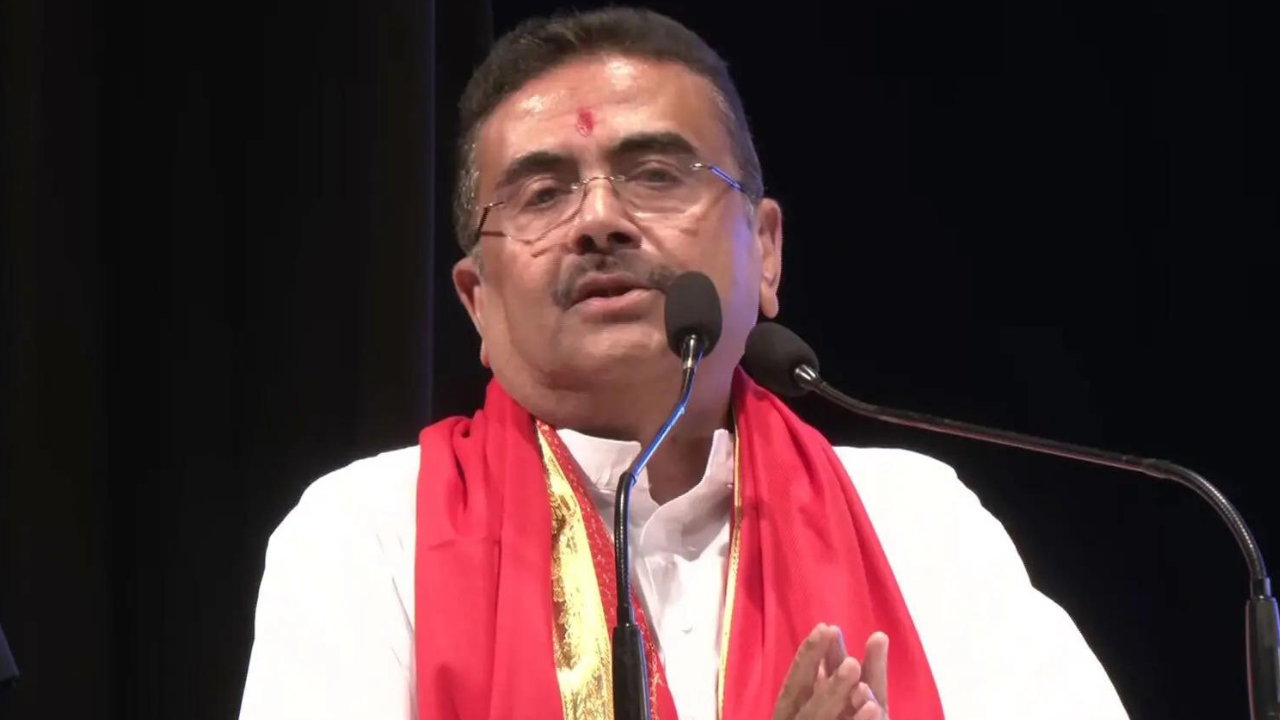
IITโKanpur hires Nisarg Adhikary, teen who flagged flaws with CBSE's OSM system
This week, Nisarg Adhikary was appointed Open-Source Intelligence (OSINT) and threat intelligence engineer at IIT Kanpurโs technology innovation hub C3iHub.
๐ฎ๐ณ ์ธ๋ ยท "AWS" ยท ์ด 114๊ฑด
ํํฐ ๋ณด๊ธฐํ์ฌ ์ง์
48.3
0 = ๋ถ์ ์ฐ์ธ
50 = ์ค๋ฆฝ
100 = ๊ธ์ ์ฐ์ธ
์ต๊ทผ 7์ผ ๊ธฐ์ค 5,189๊ฑด์ ๋ถ์ํ ๊ฒฐ๊ณผ, ๋ด์ค ์ฌ๋ฆฌ์ง์๋ 48.3(๊ท ํ)์ ๋๋ค. ๊ธ์ 536๊ฑด(10.3%)ยท์ค๋ฆฝ 3,487๊ฑด(67.2%)ยท๋ถ์ 1,166๊ฑด(22.5%)์ด๋ฉฐ, ์ค๋ฆฝ ๋น์ค์ด ๋๋ ทํ๊ฒ ๋์ต๋๋ค. ์ฑํฅ ์ง์๋ ์ข ํฉ 14.2(์ค๋ ๊ท ํ)์ ๋๋ค.
This week, Nisarg Adhikary was appointed Open-Source Intelligence (OSINT) and threat intelligence engineer at IIT Kanpurโs technology innovation hub C3iHub.
The Bricks & Minifigs and Reckless Ben dispute began with claims that a $200,000 Star Wars LEGO collection was never returned to the Mansell family. The controversy later expanded into arrests, public accusations, lawsuits, store closures, and a major fundraising campaign. The latest development saw the Mansell GoFundMe page restored, while the legal battle continues ahead of a scheduled June 30 hearing.
When SpaceX makes its debut on the U.S. stock market, it wants smaller-pocketed, mom-and-pop investors to play a big role in what may be the biggest IPO ever.Elon Musk's rocket company, formally known as Space Exploration Technologies Corp., is steering some of its initial public offering of stock directly to what are called "retail" investors. These are people who buy stocks in a brokerage account on their phone, not pension funds or other big "institutional" investors routing orders to their professional trading desks.Here are some things to keep in mind as the IPO approaches:A chunk of SpaceX stock will go to regular investorsMost IPOs offer only 5% to 10% of the total offering to retail investors, according to Fidelity. In this case, though, it could be up to 30%. SpaceX expects retail investors to participate in its IPO through Charles Schwab, Fidelity, Robinhood, SoFi and E-Trade by Morgan Stanley.At Fidelity, investors with as little as $2,000 in their accounts could potentially snag SpaceX shares in the IPO. That's down from account minimums of $100,000 or even $500,000 that Fidelity has for other equity offerings.Demand from investors may be so high in this IPO that not everyone indicating interest will actually get a share.Trying for a short-term flip has risksGiven all the hype around SpaceX, temptation could be high to grab shares in the IPO and sell them quickly if a frenzy sends its price spiking. But brokerages have policies to block investors from future offerings if they dump shares bought in an IPO quickly, like within a couple weeks.Big swings in price may be possiblePotentially high interest from retail investors following the IPO is one reason SpaceX is warning that its stock price could be volatile. These investors aren't known for moving as meticulously as a pension fund, which is trying to build money for payments it must make years or decades in the future.It's retail investors, after all, who helped drive GameStop and other "meme stocks" to market-bending heights in 2021 that professional investors called irrational.IPOs can see a big first-day bounce, but that may not lastThe typical IPO has seen a 7% jump in its first day of trading, from 1980 through 2025, according to Jay Ritter, an IPO expert and a professor at the University of Florida's Warrington College of Business.But IPOs tend to lag similar-sized peers in the ensuing five years, not including their first day of trading. They do so by an average of 3.6% per year, according to Ritter.SpaceX has debt and has been losing moneyIt's very expensive to launch things out of the earth's atmosphere and to construct huge AI data centers, and SpaceX has built up $29.1 billion in debt, as of the end of March.The company also lost $4.9 billion last year and another $4.3 billion through the first three months of 2026. It acknowledges that it "may not achieve profitability in the future."Over the long term, a stock's price tends to track with how much profit the company is making.You don't have to buy SpaceX to own itYou could end up owning some of SpaceX even if you never intended to. Consider the many people who own shares of the popular QQQ exchange-traded fund, which tracks the Nasdaq 100 index and has roughly $460 billion in total assets.Historically, the Nasdaq 100 index would wait until each December to add new members in an annual reconstitution to make sure it includes the 100 largest non-financial companies on the Nasdaq. But Nasdaq recently made changes to allow some big companies to enter the Nasdaq 100 index after just 15 trading days.That means if SpaceX's IPO is as successful as expected, it could quickly join both the Nasdaq 100 and QQQ fund, all while QQQ holders do nothing on their own.The company behind the more popular S&P 500 index, though, is not making changes that would allow SpaceX faster entry.Any shares bought would take a back seat to Musk's in influenceIn its IPO, SpaceX is offering 555.6 million shares of its "Class A" stock. Each of these shares gives an investor one vote on matters that shareholders decide. That includes such weighty things as who is on the board of directors overseeing the CEO.This IPO is not offering what are called "Class B" shares, each of which give its holder 10 votes. Musk, meanwhile, owns so many of those shares that he by himself could control more than 82% of all the stock's voting power following the IPO.In filings with U.S. securities regulators, SpaceX acknowledges the potential for conflicts of interest between it and Musk, along with other companies he owns, such as Tesla.Some big investors really disagree with the ownership structureOfficials from pension funds for firefighters, teachers and other workers in California and New York sent a letter to SpaceX last month decrying some of the provisions in its IPO, including "super voting shares," mandatory arbitration of shareholder claims instead of the possibility of lawsuits and how much power Musk will hold over the company.They said they could become owners of SpaceX stock because they hold index funds, which automatically buy stocks after they get included in certain indexes.If Musk is able to control so much of the voting power on the board of directors, it would make him tremendously powerful atop SpaceX, "essentially making him unfireable without his own consent," the CEO of California Public Employees' Retirement System, the New York state comptroller and the New York City comptroller wrote in their letter."This level of insulation from accountability is virtually unheard of among any other large U.S. issuer whose governing documents foreclose accountability to public owners on these terms."Don't confuse SpaceX with other companies with similar namesSpaceX plans to trade under the ticker symbol "SPCX." That's very close to "SPCE," which is the symbol for Richard Branson's Virgin Galactic Holdings.
Chief Justiceโs Bench permits R. Nirmalkumar to withdraw the case filed during his stint as the Information Technology wing joint secretary of AIADMK in 2023
Shares of NLC India fell over 3% on Wednesday despite strong demand for the government's Offer for Sale (OFS), which was oversubscribed on the first day. The offer opens for retail investors today.Non-retail investors bid for over 13.03 crore shares worth Rs 4,158 crore, as against a base offer size of 2.49 crore shares reserved for them. Shares of the Navratna PSU company tumbled more than 3% to trade at Rs 316.6 apiece on NSE.NLC India announced on Monday that the government aims to sell 2% of the companyโs total paid-up equity capital, or 2.78 crore shares, as part of the base offer. The government also retained an oversubscription option to sell an additional 1% stake or 1.39 crore shares, taking the total potential offer size to 4.17 crore shares or 3% equity. At the floor price of Rs 303 per share, this would be worth around Rs 1,263.51 crore.In an exchange filing released on Tuesday, NLC India said that the government will exercise the oversubscription option to sell up to 1.39 crore shares, in addition to the 2.77 crore shares that were part of the base offer. 10% of the equity shares offered in the OFS, which stands at nearly 41.52 lakh, will be available for retail investors today, subject to receipt of valid offers, the company said.โAdditionally, up to 25,000 equity shares may be offered to the eligible employees of the companyโฆThe eligible employees may apply for equity shares up to Rs 500,000. However, any bids by eligible employees will be considered for allocation, in the first instance, for an amount up to Rs 200,000 only,โ it said.Also read: NLC India OFS over-subscribed 5 times, institutional buyers put in Rs 4,158 cr bidsNLC India, formerly known as Neyveli Lignite Corporation, is among India's leading mining and power generation companies. It operates lignite mines and thermal power stations while also expanding its renewable energy portfolio. The company has emerged as a beneficiary of India's rising power demand and the government's focus on energy security. In recent years, the company has diversified beyond lignite mining into solar and other renewable energy projects as part of its long-term growth strategy.NLC India shareholding patternThe Central government owned a 72.20% stake in NLC India, according to data on the companyโs shareholding pattern as on March 31, 2026. A total of 22 mutual funds held around 9.5% stake in NLC India, while Life Insurance Corporation of India (LIC) and SBI Life Insurance each held around 2% stake.NLC Indiaโs OFS comes as the government ramps up its disinvestment efforts. Recently, the government offloaded some of its stake in Coal India, NHPC and other PSU companies.NLC India share priceNLC India shares have fallen around 8% in one week and 3% in one month. The stock is overall up around 25% in 2026 so far. In the longer term, the shares of the PSU have delivered 33% returns over one year, 220% over three years and 396% over five years. The company currently has a market capitalisation of nearly Rs 44,303 crore.NLC India has maintained a track record of returning cash to shareholders through regular dividends. The company has declared 43 dividends since August 2000, and currently has a dividend yield of 1.6%, according to data on Trendlyne.(Disclaimer: Recommendations, suggestions, views and opinions given by the experts are their own. These do not represent the views of The Economic Times)
Civic bodies across India make headlines as they crack down on public space encroachments. Laws like the Control of National Highways Act, 2002, and state-specific regulations empower authorities to remove unauthorised structures. Penalties range from fines to demolition, with Supreme Court directives ensuring due notice before action, safeguarding against arbitrary 'Bulldozer Justice'.
Trade rumors around Pittsburgh Steelers linebacker Alex Highsmith are gaining momentum after Nick Herbigโs reported four-year, $100 million extension raised questions about the teamโs long-term defensive plans. NFL insider Jason La Canfora reported that the Washington Commanders, Philadelphia Eagles, Buffalo Bills, and San Francisco 49ers are monitoring Highsmithโs situation closely. While Pittsburgh is not actively shopping the 28-year-old pass rusher, his contract, roster fit, and growing league interest could make him a realistic trade candidate later this offseason.
West Bengal's new BJP government is actively implementing changes. Chief Minister Suvendu Adhikari is focusing on re-imagining the state with swift policy rollouts. Key initiatives target women and youth, while nationalistic themes are prominent. The Trinamool Congress faces a significant crisis. The government is also enforcing laws and promoting central schemes.
The Chief Minister also called for restoration of the Cooum river and Buckingham canal along with the ongoing Adyar River Restoration project

Introduced in March this year, the legislation proposes comprehensive amendments to both the Companies Act, 2013, and the Limited Liability Partnership (LLP) Act, 2008
Know your laws: What can a man do when falsely accused of sexual harassment?

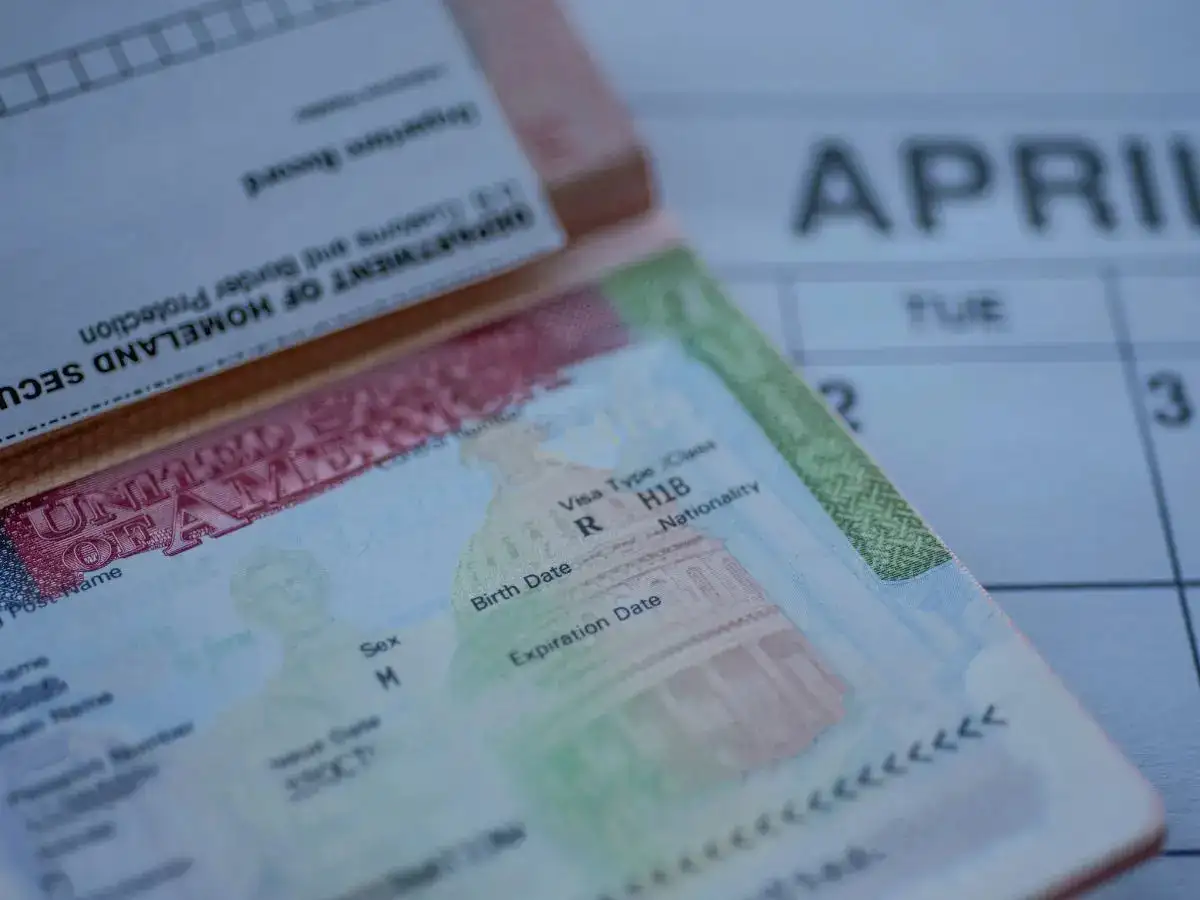
A chorus of US lawmakers from across the political spectrum has come out in support of a federal court order dismantling a proposed USD 100,000 H-1B visa application fee, even as the White House prepares to challenge the judicial setback in the appeals court. Breaking ranks with the executive branch, several Republican lawmakers backed the decision by shifting the spotlight away from the information technology sector, which heavily utilises this visa category, and focusing instead on how the massive financial penalty would cripple healthcare systems and educational institutions in remote regions. These conservative representatives pointed out that employers in rural areas depend heavily on international professionals to fill severe staffing voids. Stressing the severe local impact, Republican Senator Lisa Murkowski from Alaska emphasised that the issue transcended partisan politics in her state. She pointed out that the judicial intervention arrived at a pivotal juncture as academic institutions actively finalise their faculty rosters for the upcoming school term. Senator Murkowski stated, "Many school districts in rural and remote parts of the state rely on the H-1B visa programme to bring quality teachers to their communities." Unmoved by the legislative backlash, the White House strongly dug in its heels to defend the executive measure and signalled immediate plans to get the ruling overturned. White House spokesperson Taylor Rogers argued, "The H-1B programme has been abused for decades, and President Trump finally took action to fix it." Expressing absolute confidence in a legal reversal, Rogers added, "A federal judge in Washington already upheld a nearly identical order, and the administration is confident this order will be reversed on appeal." Conversely, the political opposition welcomed the court's intervention as necessary relief for critical public infrastructure. Democratic Congressman Don Beyer praised the judgment, warning that the steep executive fee would have slammed healthcare facilities already pushed to the brink by severe personnel deficits with unsustainable operational costs. Echoing this sentiment from across the aisle, Republican Congressman Mike Lawler also threw his weight behind the judicial freeze. He highlighted his own ongoing, cross-party legislative efforts to shield medical personnel from the financial burden. Congressman Lawler noted, "I have been working to exempt healthcare workers from this fee that only exacerbates the current staffing shortages in healthcare. That's why I introduced the bipartisan H-1Bs for Physicians and the Healthcare Workforce Act. While we continue to push this legislation through Congress, this ruling is welcome news." Further criticising the administration's economic logic, Congressman Sanford D. Bishop Jr. cautioned that the premium pricing would effectively slam the door on global talent, hurting domestic growth. Congressman Bishop argued, "The USD 100,000 fee for employers' H-1B applications would have discouraged the best and the brightest from coming to America and helping our economy grow and innovate." The legal architects behind the successful lawsuit also celebrated the verdict. Leading the state-level resistance, California Attorney General Rob Bonta remarked that the executive fiscal policy directly undermined the nation's capacity to import specialised professionals for sectors struggling with systemic labour deficits. Bonta stated, "This tax was an attack on America's ability to attract and retain the high-skilled talent that strengthens our economy and helps us meet critical workforce needs." Validating the multi-state legal push, New Jersey Attorney General Jennifer Davenport expressed an identical view, noting that the judiciary clearly agreed that the executive branch had completely overreached its mandate by attempting to levy the financial requirement on H-1B petitioners. However, the Republican consensus on the matter remained fractured. Voices from the conservative wing, like Arizona Congressman Eli Crane, explicitly denounced the ruling. Crane, who has been aggressively pushing for restrictive immigration overhauls, bypassed the judicial roadblock to call for a definitive legislative remedy. Congressman Crane stated, "Although an activist judge blocked President Trump's reforms to the H-1B program, Congress can fix it without judicial obstruction. Urge your representative to cosponsor the End H-1B Visa Abuse Act of 2026, which halts and significantly reforms this broken system." This highly publicised judicial verdict represents a major blow to the Trump administration's broader strategy aimed at restricting employment-driven immigration channels and creating steep hurdles for US employers trying to onboard international professionals. The development has triggered significant interest in India, given that the H-1B framework serves as a vital pipeline for the Indian workforce to access lucrative professional opportunities in the US. The non-immigrant work permit enables US corporations to recruit overseas experts with niche expertise across highly technical fields, including technology, engineering, healthcare, and finance. Because of India's robust talent pool in these specialised industries, Indian citizens systematically secure the lion's share of the total H-1B allocations distributed on an annual basis, making any disruption to the fee structure a critical economic talking point for New Delhi. Structurally, the H-1B visa has long solidified its status as an essential foundation for the American guest-worker immigration model. Under the statutory guidelines, the US government caps the yearly allocation at 65,000 standard permits, while reserving an extra 20,000 slots specifically for candidates who have earned advanced graduate degrees from US institutions. Data provided by immigration advocacy group FWD.us reveals the massive scale of this demographic, noting that approximately 730,000 H-1B visa holders reside across the US, living alongside an estimated 550,000 dependents, which includes their spouses and children.
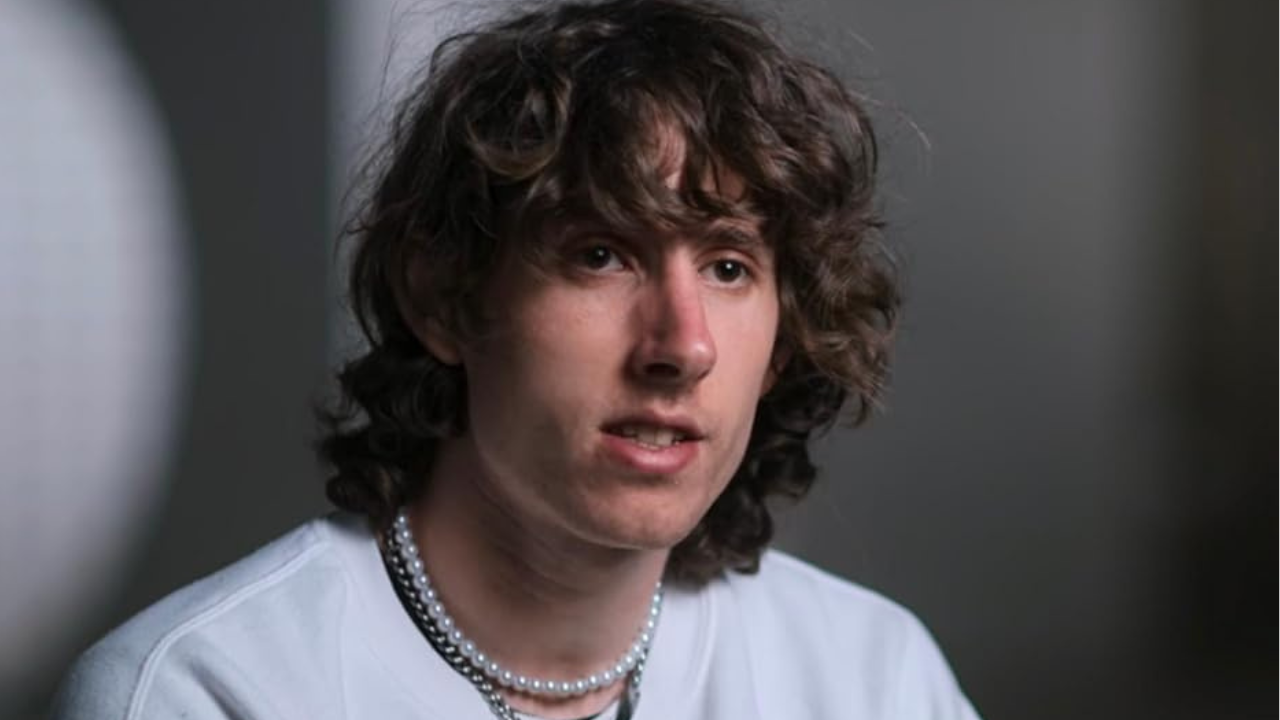
The reshuffle redraws the leadership in nearly every major department in the state
Nawas Muthu had described the project as operating "in accordance with Islamic laws".
Local authorities said the matter is being looked into. (AI-genrated image)
A US federal judge has ruled against a $100,000 fee imposed by former President Donald Trump on new H-1B visas. The judge found the fee unlawful. This fee significantly increased the cost for highly skilled foreign workers seeking to enter the United States. The ruling came after a lawsuit filed by state attorneys general.
Bhagwant Singh Mann hands 355 appointment letters, says AAP has given 67,037 merit based jobs with no paper leaks, plans laws to regularise 65,000 contractual workers; expand ITIs
A Delhi consumer court overturned a reimbursement order for a mediclaim, stating an insurer was justified in rejecting a claim. Investigations revealed significant flaws and discrepancies in hospital records, including alleged non-cooperation from the insured. The court emphasized the importance of considering investigator reports, concluding the insurer acted within policy terms.