US lawmakers cheer as court blocks $100K H-1B fee
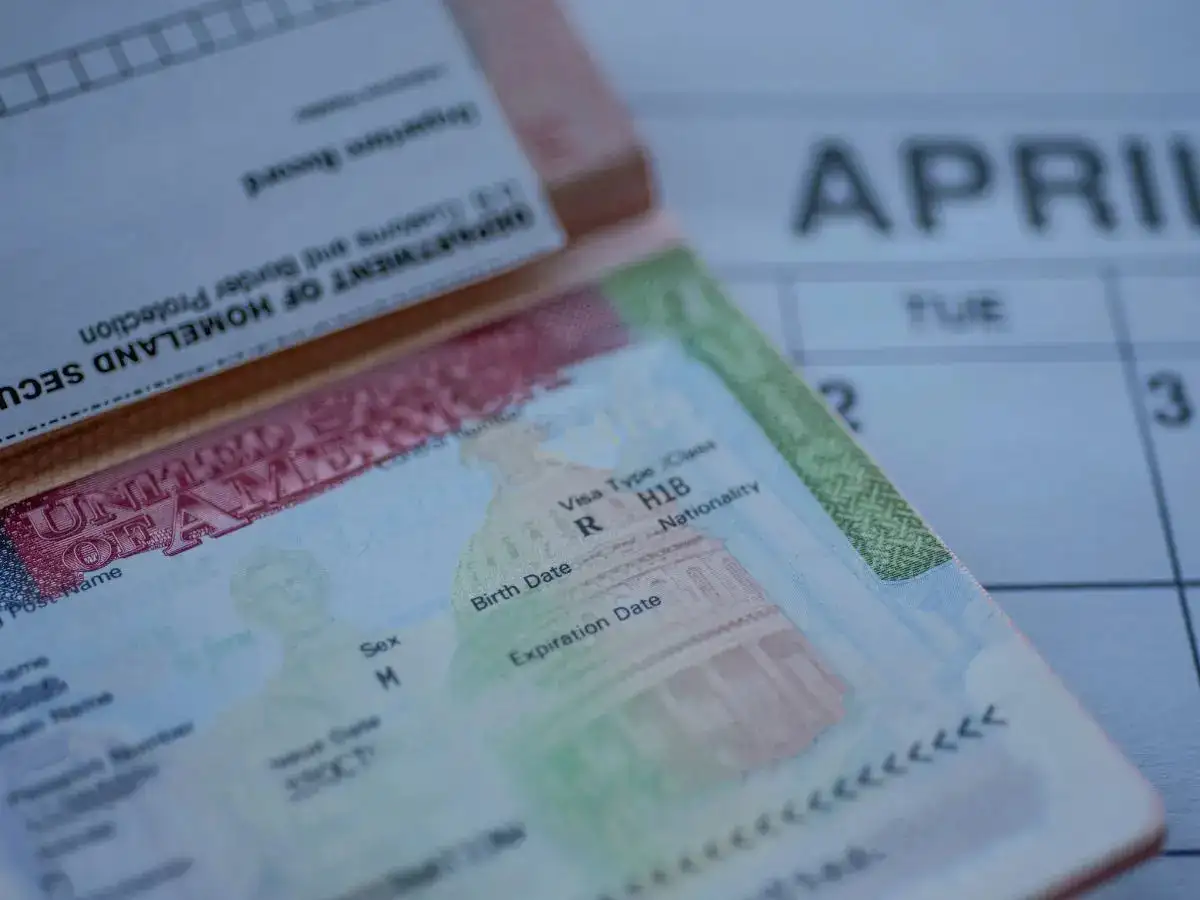
A chorus of US lawmakers from across the political spectrum has come out in support of a federal court order dismantling a proposed USD 100,000 H-1B visa application fee, even as the White House prepares to challenge the judicial setback in the appeals court.
Breaking ranks with the executive branch, several Republican lawmakers backed the decision by shifting the spotlight away from the information technology sector, which heavily utilises this visa category, and focusing instead on how the massive financial penalty would cripple healthcare systems and educational institutions in remote regions.
These conservative representatives pointed out that employers in rural areas depend heavily on international professionals to fill severe staffing voids.
Stressing the severe local impact, Republican Senator Lisa Murkowski from Alaska emphasised that the issue transcended partisan politics in her state.
She pointed out that the judicial intervention arrived at a pivotal juncture as academic institutions actively finalise their faculty rosters for the upcoming school term.
Senator Murkowski stated, "Many school districts in rural and remote parts of the state rely on the H-1B visa programme to bring quality teachers to their communities." Unmoved by the legislative backlash, the White House strongly dug in its heels to defend the executive measure and signalled immediate plans to get the ruling overturned.
White House spokesperson Taylor Rogers argued, "The H-1B programme has been abused for decades, and President Trump finally took action to fix it." Expressing absolute confidence in a legal reversal, Rogers added, "A federal judge in Washington already upheld a nearly identical order, and the administration is confident this order will be reversed on appeal." Conversely, the political opposition welcomed the court's intervention as necessary relief for critical public infrastructure.
Democratic Congressman Don Beyer praised the judgment, warning that the steep executive fee would have slammed healthcare facilities already pushed to the brink by severe personnel deficits with unsustainable operational costs.
Echoing this sentiment from across the aisle, Republican Congressman Mike Lawler also threw his weight behind the judicial freeze.
He highlighted his own ongoing, cross-party legislative efforts to shield medical personnel from the financial burden.
Congressman Lawler noted, "I have been working to exempt healthcare workers from this fee that only exacerbates the current staffing shortages in healthcare.
That's why I introduced the bipartisan H-1Bs for Physicians and the Healthcare Workforce Act.
While we continue to push this legislation through Congress, this ruling is welcome news." Further criticising the administration's economic logic, Congressman Sanford D.
Bishop Jr. cautioned that the premium pricing would effectively slam the door on global talent, hurting domestic growth.
Congressman Bishop argued, "The USD 100,000 fee for employers' H-1B applications would have discouraged the best and the brightest from coming to America and helping our economy grow and innovate." The legal architects behind the successful lawsuit also celebrated the verdict.
Leading the state-level resistance, California Attorney General Rob Bonta remarked that the executive fiscal policy directly undermined the nation's capacity to import specialised professionals for sectors struggling with systemic labour deficits.
Bonta stated, "This tax was an attack on America's ability to attract and retain the high-skilled talent that strengthens our economy and helps us meet critical workforce needs." Validating the multi-state legal push, New Jersey Attorney General Jennifer Davenport expressed an identical view, noting that the judiciary clearly agreed that the executive branch had completely overreached its mandate by attempting to levy the financial requirement on H-1B petitioners.
However, the Republican consensus on the matter remained fractured.
Voices from the conservative wing, like Arizona Congressman Eli Crane, explicitly denounced the ruling.
Crane, who has been aggressively pushing for restrictive immigration overhauls, bypassed the judicial roadblock to call for a definitive legislative remedy.
Congressman Crane stated, "Although an activist judge blocked President Trump's reforms to the H-1B program, Congress can fix it without judicial obstruction.
Urge your representative to cosponsor the End H-1B Visa Abuse Act of 2026, which halts and significantly reforms this broken system." This highly publicised judicial verdict represents a major blow to the Trump administration's broader strategy aimed at restricting employment-driven immigration channels and creating steep hurdles for US employers trying to onboard international professionals.
The development has triggered significant interest in India, given that the H-1B framework serves as a vital pipeline for the Indian workforce to access lucrative professional opportunities in the US.
The non-immigrant work permit enables US corporations to recruit overseas experts with niche expertise across highly technical fields, including technology, engineering, healthcare, and finance.
Because of India's robust talent pool in these specialised industries, Indian citizens systematically secure the lion's share of the total H-1B allocations distributed on an annual basis, making any disruption to the fee structure a critical economic talking point for New Delhi.
Structurally, the H-1B visa has long solidified its status as an essential foundation for the American guest-worker immigration model.
Under the statutory guidelines, the US government caps the yearly allocation at 65,000 standard permits, while reserving an extra 20,000 slots specifically for candidates who have earned advanced graduate degrees from US institutions.
Data provided by immigration advocacy group FWD.us reveals the massive scale of this demographic, noting that approximately 730,000 H-1B visa holders reside across the US, living alongside an estimated 550,000 dependents, which includes their spouses and children. ...