What challenges could stand in the way of a final US-Iran deal?
AI Summary
The United States and Iran have signed an agreement to reopen the Strait of Hormuz, a critical shipping passage that was blocked for approximately four months following military strikes and subsequent Iranian blockade. The waterway is scheduled to resume normal passage on Friday, June 19, enabling Qatar and other energy exporters to restart LNG and cargo operations. However, international shipping and insurance industries remain hesitant about normalizing traffic volumes, seeking sustained evidence of stability and raising concerns about potential Iranian restrictions or fee requirements.
Progressive: Progressive-leaning outlets emphasize practical industry concerns—safety, insurance conditions, and potential fee structures—rather than portraying Iran solely as a strategic threat, while highlighting the human dimensions of reopening.
Moderate: Centrist outlets report the agreement's core facts and the shipping industry's measured caution as a rational response to months of disruption, focusing on what conditions are needed for normal operations to resume.
Conservative: Conservative-leaning outlets stress that Iran retains the capability to restrict or weaponize the Strait despite the deal, framing the situation as containing persistent geopolitical risks to global commerce.
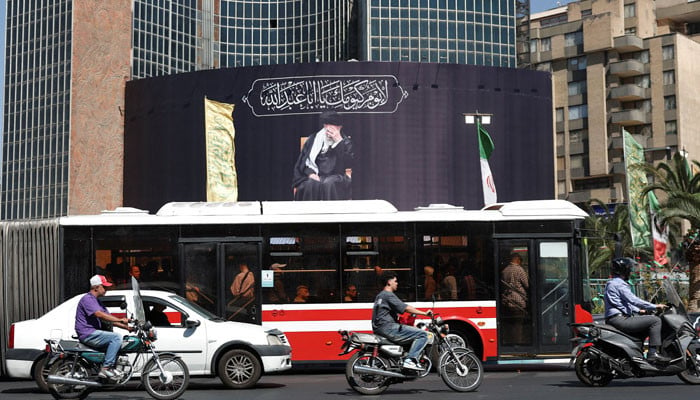
People drive past a billboard with a picture of the late Iran's Supreme Leader Ayatollah Ali Khamenei, after US and Iranian officials said they had reached a deal to end their war and reopen the Strait of Hormuz, in Tehran, Iran, June 15, 2026.— Reuters
When US and Iranian...
이 뉴스, 독자들은 어떻게 느꼈나요?
첫 반응을 남겨보세요로그인하면 감정 반응에 참여할 수 있어요.