The Strait of Hormuz: Iran's geographic destiny and strategic red line
ONP Summary
The United States reimposed a naval blockade around Iranian ports and conducted its fourth day of military strikes Tuesday in response to Iranian attacks on commercial shipping. Iran formally protested to the UN Security Council while President Trump withdrew his proposed 20% tariff on transit vessels through the Strait of Hormuz.
Progressive:Dangerous contradiction — progressive outlets argued the blockade undermines the freedom-of-navigation principles it claims to protect.
Moderate:Proportional response — moderate outlets reported strikes and blockade as measured escalation following Iranian attacks on shipping.
Conservative:Strategic leverage — conservative outlets viewed the blockade as effective economic pressure on Iran's struggling economy.
HAFIZABAD, Pakistan - For centuries, the narrow blue artery that separates the Arabian Peninsula from the Iranian plateau has been more than a mere shipping lane.
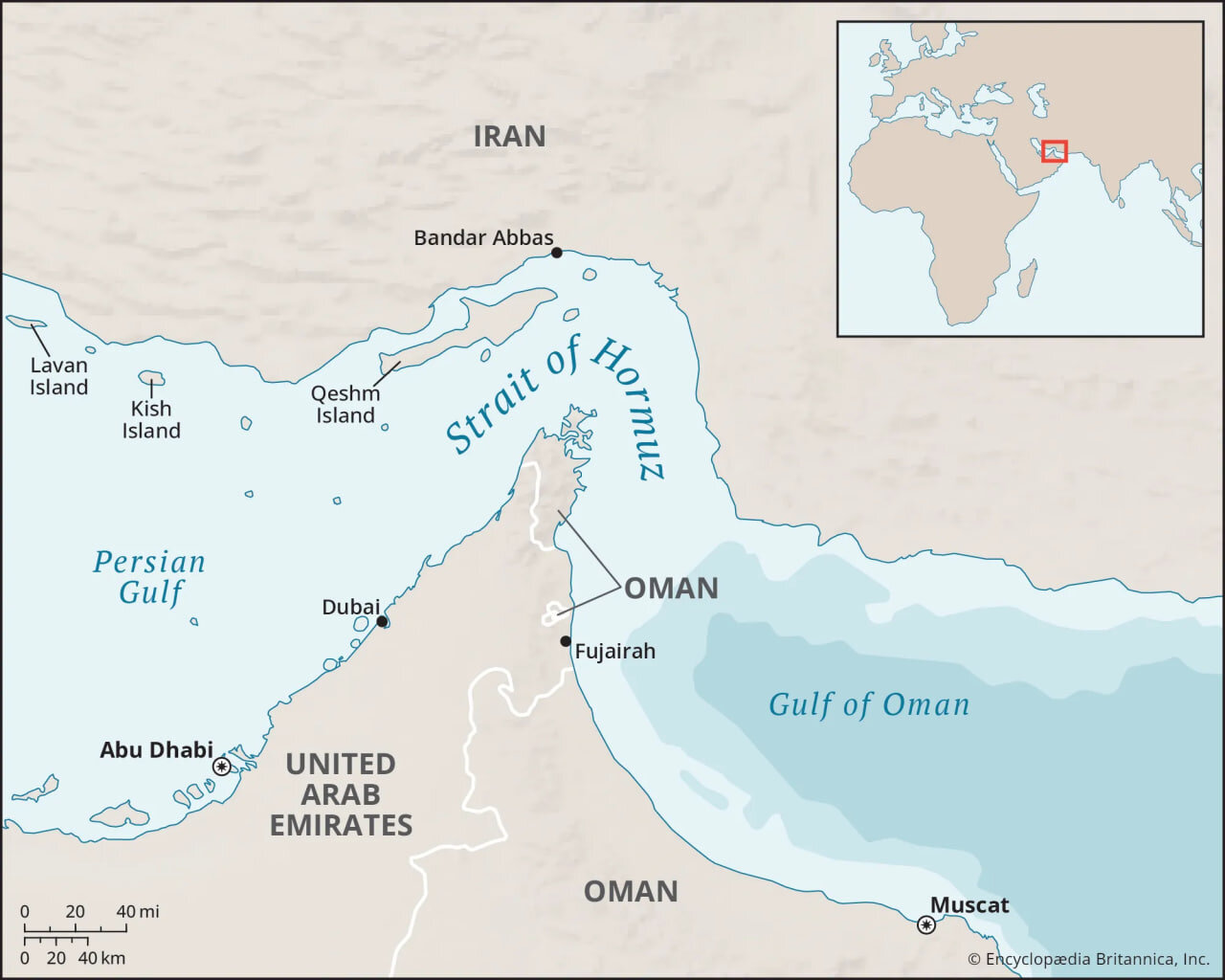
The Strait of Hormuz, at its slenderest point a mere 21 nautical miles across, has functioned as the world's petroleum lifeline, the chokepoint through which approximately a fifth of global oil consumption once flowed.
But for Iran, this waterway is not simply a commercial corridor to be managed; it is the geographical expression of the nation's strategic depth, a natural extension of its sovereign territory, and, increasingly, the most credible deterrent in its defensive arsenal.
Recent events have thrust the Strait back to the center of global attention, with Tehran's decisive assertion of control exposing the fundamental asymmetry that defines the balance of power in the Persian Gulf. ...
이 뉴스, 어떠셨어요?
탭 한 번으로 반응 · 로그인 불필요