NASA CubeSat to Speed Technology Testing in Orbit
NASA CubeSat to Speed Technology Testing in Orbit
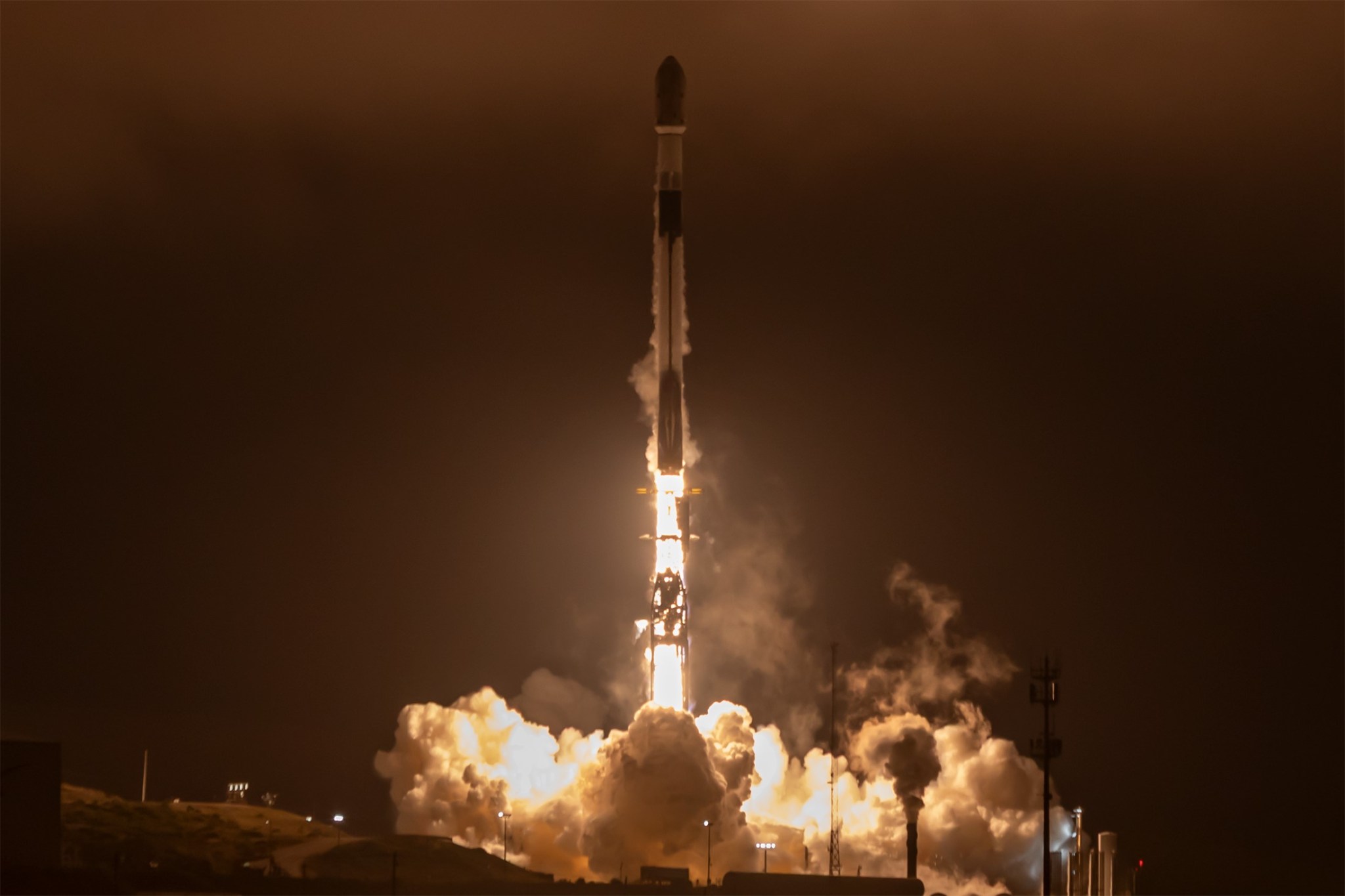
The R5-S9 (Realizing Rapid, Reduced-cost high-Risk Research project Spacecraft 9) CubeSat, developed by NASA’s Johnson Space Center in Houston, lifted off at 12:12 a.m. PDT Tuesday, July 7, aboard a Falcon 9 rocket from Space Launch Complex 4 East at Vandenberg Space Force Base in California as part of the Transporter-17 rideshare mission with SpaceX.
The spacecraft is the latest in NASA’s R5 series of CubeSats, which pioneers new approaches to building and operating spacecraft. Rather than relying on custom-built hardware, the R5 project uses commercial off-the-shelf components, designing custom systems only when necessary. Each spacecraft in the series builds on lessons learned from its predecessors through an incremental development approach, steadily improving performance while keeping costs and schedules at a fraction of those for traditional missions.
The R5-S9 satellite will host multiple technology prototypes, advancing capabilities with in-orbit testing of technologies. In partnership with Sandia National Laboratories, this R5 mission will demonstrate technology that leverages edge computing for autonomous observation of phenomena on Earth and in space. In addition to the Sandia payload, R5-S9 will attempt to demonstrate a new, low-cost optical communication system developed by The Aerospace Corporation and supported through NASA’s Center Innovation Fund.
Building on R5’s process refinements and lessons learned, the team took approximately four months from design to delivery, incorporating a variety of improvements of the core R5 bus. As the R5 team develops these new methodologies for intelligently selecting and screening commercial components for the space environment, its findings are shared with the broader small spacecraft community so that others can build on the project’s successes and learn from the challenges it has overcome.
Houston-based SEOPS manifested R5-S9 for NASA as part of a task order awarded under the agency’s VADR (Venture-class Acquisition of Dedicated and Rideshare) contract. These highly flexible contracts embrace commercial practices to lower launch costs, broadening access to space for small but highly capable satellites and providing an ideal platform for NASA’s science research and technology development.
NASA’s Small Spacecraft & Distributed Systems, based at the agency’s Ames Research Center in California’s Silicon Valley and led by the Research and Technology Mission Directorate at NASA Headquarters in Washington, funds and manages the R5 mission series. Additional funding for the series is provided by the Engineering Directorate at NASA’s Johnson Space Center. NASA’s Launch Services Program, based at the agency’s Kennedy Space Center in Florida, manages the VADR contract.
이 뉴스, 어떠셨어요?
탭 한 번으로 반응 · 로그인 불필요