How the 1994 FIFA World Cup changed soccer in America and why 2026 could be bigger
AI Summary
The 2026 FIFA World Cup opens with Mexico versus South Africa, marking the tournament's first expansion to 48 teams competing across three co-host nations—the United States, Canada, and Mexico—making it the largest World Cup ever. The 104-game competition features the world's highest-earning players, inaugural opening ceremonies with international performers, and matches distributed across multiple countries. The expanded format presents both opportunities for global participation and significant challenges including high travel costs, logistical complexity, and accessibility barriers for attending fans.
Moderate: Centrist-leaning outlets focus on the tournament's historic expansion to 48 teams and three host nations as a celebration of global football, emphasizing player performances and perspectives, the opening ceremonies featuring international artists, and tournament structure. They highlight both the sporting spectacle and the practical challenges of multi-national hosting, including fan travel costs, accessibility issues, and logistical demands.
Conservative: Conservative-leaning outlets frame the tournament through an economic lens, emphasizing the championship trophy's material value and its substantial increase due to rising gold prices—a 157% gain compared to the 2022 Qatar World Cup—positioning the event within broader financial and commodity market contexts.
The FIFA World Cup 2026 is set to kick off today.
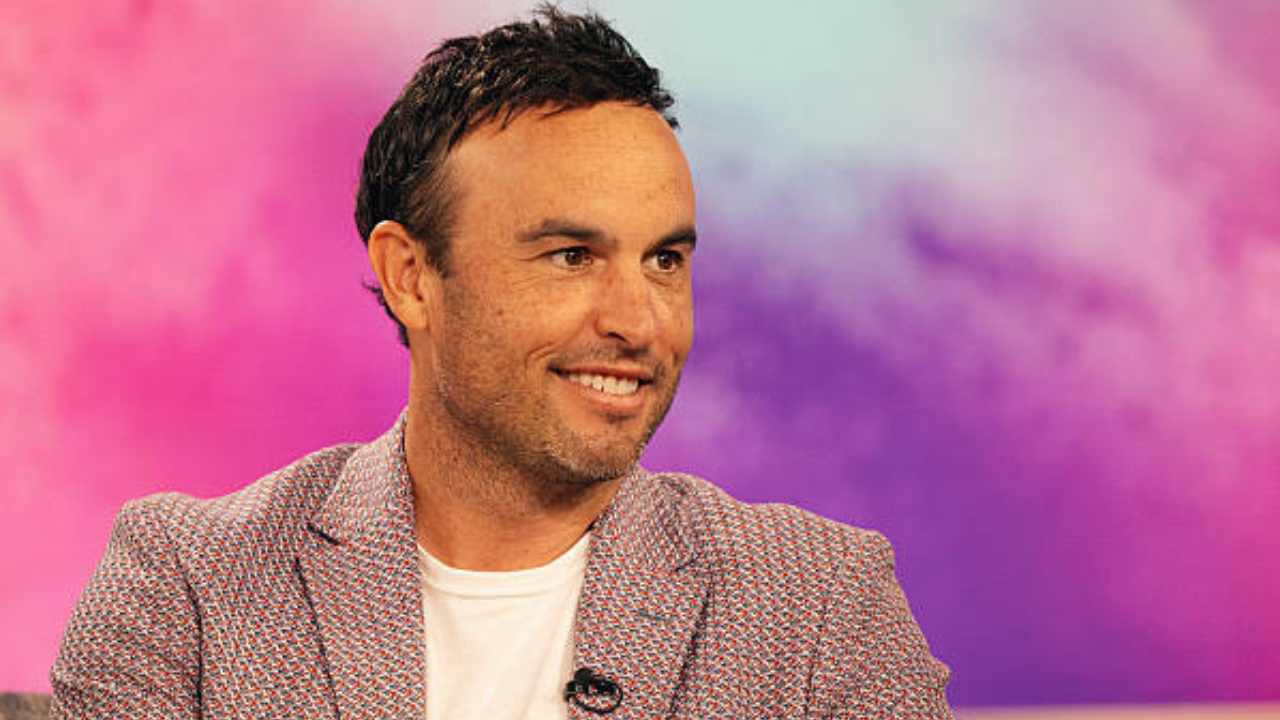
The former United States soccer star Landon Donovan believes the tournament could leave a lasting impact on the sport in the country.
As the United States hosts matches alongside Canada and Mexico, Donovan expects millions of young fans to be inspired by the event.
He feels the excitement generated by the competition could encourage a new generation of children to take up soccer and dream of playing at the highest level. ...
이 뉴스, 독자들은 어떻게 느꼈나요?
첫 반응을 남겨보세요로그인하면 감정 반응에 참여할 수 있어요.