After 6 prime ministers in 10 years, can anyone fix the UK?
ONP Summary
British Prime Minister Keir Starmer announced his departure from both his ministerial post and Labour Party leadership on Monday, concluding a tenure of approximately two years marked by local election losses and mounting internal party opposition. His resignation followed public dissatisfaction with his government's perceived failure to fulfill campaign promises and deliver substantive change. Starmer will serve as interim head of government while the Labour Party conducts its leadership election to select a successor over the coming weeks.
Progressive: Progressive-leaning outlets emphasize the mounting pressure from within the Labour Party itself as the decisive factor in Starmer's departure, highlighting his perceived indecision and failure to deliver transformative change as reasons party members pushed him out.
Moderate: Centrist outlets analyze multiple interconnected factors including poor local election results, internal party divisions, and specific policy missteps, often framing his resignation as a dramatic reversal from his initial strong electoral victory.
이 뉴스, 어떠셨어요?
한 번의 탭으로 반응을 남겨요 · 로그인 불필요
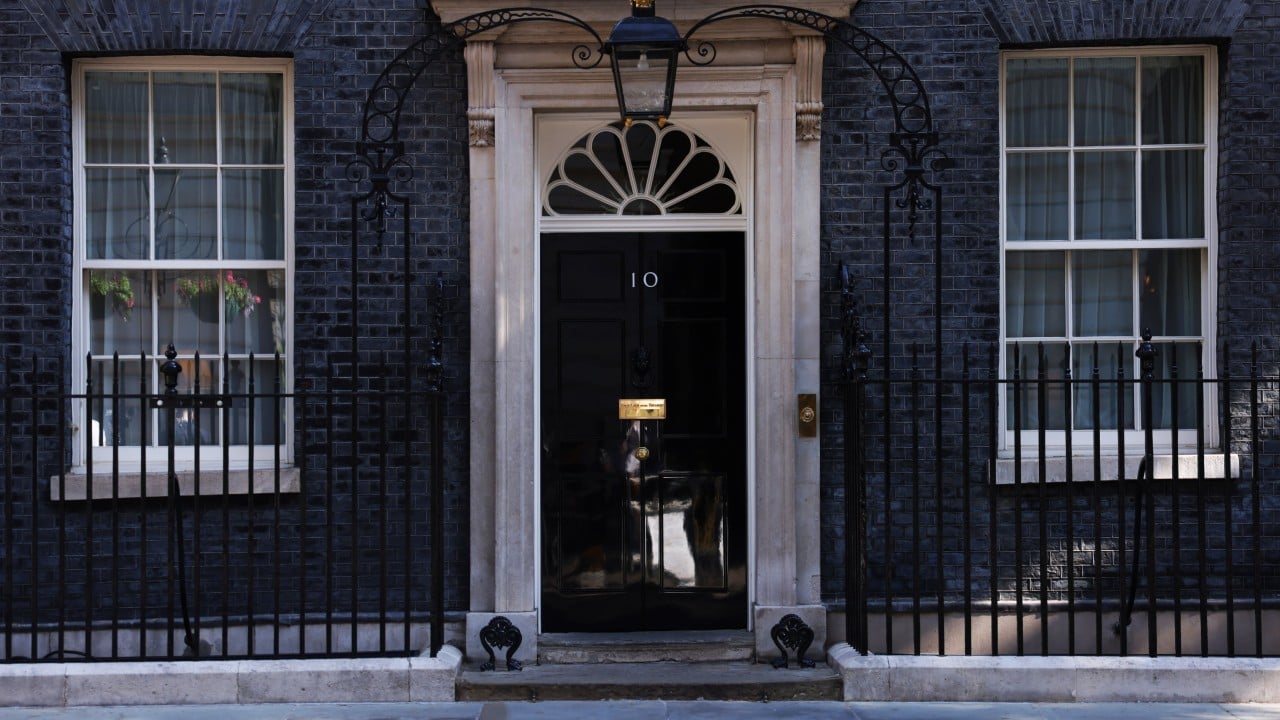
On Monday morning, Keir Starmer emerged into the sunshine in Downing Street flanked by his staff and wife, his voice thick with emotion as he said he was no longer the right person to lead Britain.
Starmer, who won one of the biggest landslides in British political history, is out after less than two years. The sixth leader to quit in 10 years.
The highest rate of political turnover in almost two centuries. Like his predecessors, Starmer failed to stem popular anger over living standards,...