After 6 prime ministers in 10 years, can anyone fix the UK?
ONP Summary
British Prime Minister Keir Starmer announced his resignation Monday, less than two years after his election victory, and committed to serving as a transitional leader until Labour selects a successor. His departure will mark the country's seventh prime ministerial change within a decade—a period of unprecedented leadership turnover dating to the 2016 Brexit referendum. The resignation follows internal Labour Party pressure as Britain faces economic stagnation and fiscal strain.
Progressive: Progressive-leaning outlets emphasize mounting internal Labour Party pressure and connect Starmer's resignation to economic management failures—slow growth and rising welfare costs—implying that policy shortcomings contributed to his departure.
Moderate: Moderate outlets present the resignation straightforwardly, emphasizing the procedural commitment to serve as interim leader and the succession process, without advancing interpretations about broader causation or systemic failure.
Conservative: Conservative-leaning outlets characterize the resignation as part of a decade-long pattern of instability driven by successive external crises—Brexit, pandemic, market turbulence, electoral challenges—rather than specific policy or administrative failures.
이 뉴스, 어떠셨어요?
한 번의 탭으로 반응을 남겨요 · 로그인 불필요
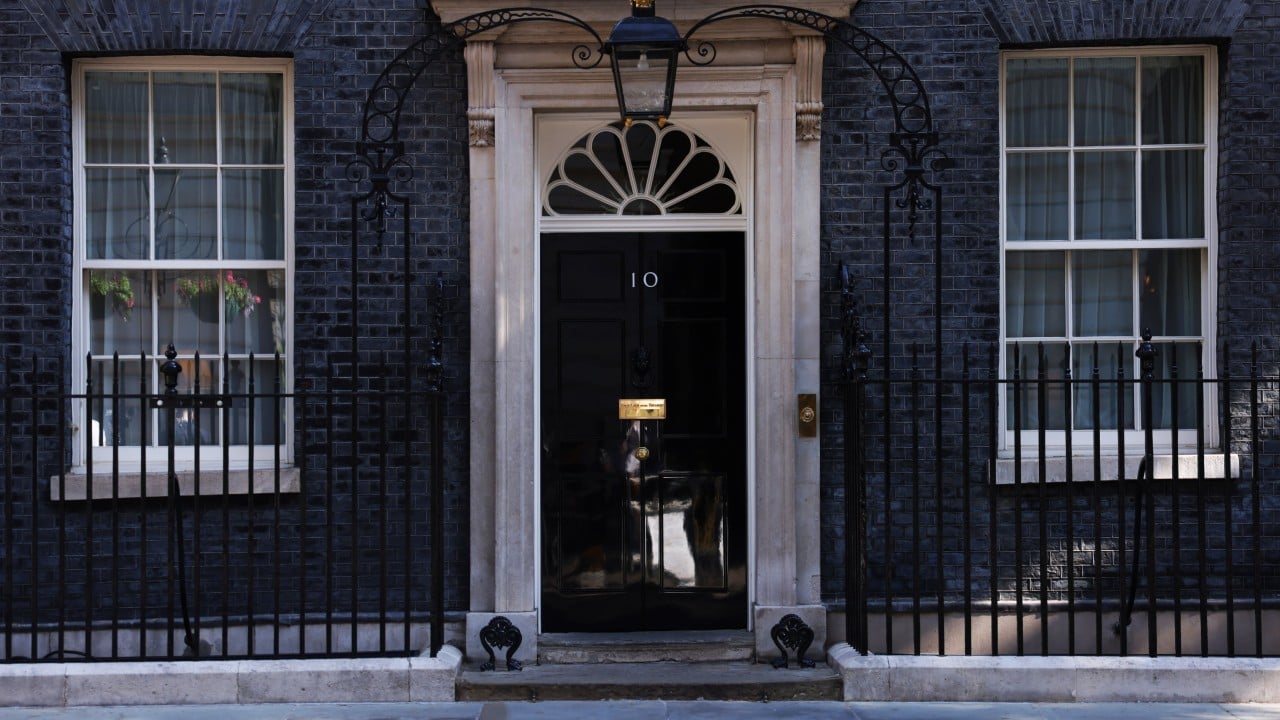
On Monday morning, Keir Starmer emerged into the sunshine in Downing Street flanked by his staff and wife, his voice thick with emotion as he said he was no longer the right person to lead Britain.
Starmer, who won one of the biggest landslides in British political history, is out after less than two years. The sixth leader to quit in 10 years.
The highest rate of political turnover in almost two centuries. Like his predecessors, Starmer failed to stem popular anger over living standards,...