Israel-Lebanon deal proceeds with partial IDF withdrawal while Hezbollah protests ignite
ONP Summary
The United States facilitated a framework agreement between Israel and Lebanon designed to cease hostilities between Israeli forces and Hezbollah. Hezbollah leadership rejected the accord, declaring it violated Lebanese sovereignty, while Israeli officials framed it as consequential. The agreement's prospects dimmed immediately as Israeli military strikes continued and Hezbollah mobilized popular opposition, with historical parallels to failed previous accords suggesting implementation will face significant obstacles.
Progressive: Progressive-leaning outlets stress that the agreement leaves Israeli military forces in place without requiring withdrawal from Lebanese territory, frame Hezbollah's rejection as rooted in substantive security concerns, and emphasize public anger as evidence that the accord does not satisfy Lebanese national interests.
Moderate: Centrist outlets provide structural analysis comparing the framework to previous failed agreements, noting that while the accord introduces some novel provisions, historical precedent and the absence of robust enforcement mechanisms create substantial doubt about implementation success.
Conservative: Conservative-leaning outlets highlight Hezbollah's outright rejection and stated intention to maintain armed capabilities and readiness, questioning whether the agreement can constrain an organization that explicitly refuses to accept its terms.
이 뉴스, 어떠셨어요?
한 번의 탭으로 반응을 남겨요 · 로그인 불필요
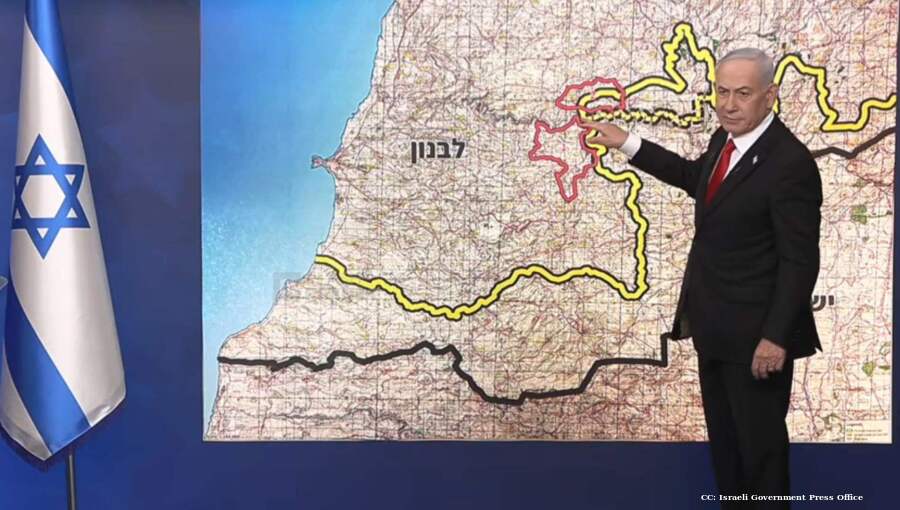
A trilateral framework agreement between Israel, Lebanon, and the US took effect on June 29, initiating a phased IDF withdrawal from southern Lebanon as Hezbollah supporters protested in Beirut. ...