The war in Ukraine has now lasted 1,568 days — as long as World War I. Here’s what the past tells us about today’s battlefields.
AI Summary
The European Commission announced its 21st sanctions package against Russia—the largest in two years—which includes visa bans for Russian soldiers, measures targeting banks, cryptocurrency firms, and oil resources. The announcement occurs amid ongoing Ukraine-Russia conflict with reports of Ukrainian military advances and Zelenskyy's diplomatic engagement with U.S. officials, while Putin faces declining domestic approval ratings.
Progressive: Progressive-leaning outlets emphasize Ukraine's military advances and positive diplomatic momentum, presenting the sanctions as effective pressure constraining Russian military capabilities and supporting Ukraine's continued resistance.
Conservative: Conservative-leaning outlets question whether sanctions will fundamentally alter Putin's strategic behavior, while acknowledging significant domestic pressure on the Russian leader; they stress Europe must prepare for sustained military confrontation rather than rely primarily on economic measures.
At the start of 2026, Russia’s war in Ukraine surpassed World War II in length.
As of June 10, the war in Ukraine has lasted as long as World War I — 1,568 days.
Of course, a regional war of the 21st century has little in common with a global conflict of the 20th.
But is there anything to be gained from comparing them?
And what lessons might the participants in today’s war draw from World War I?
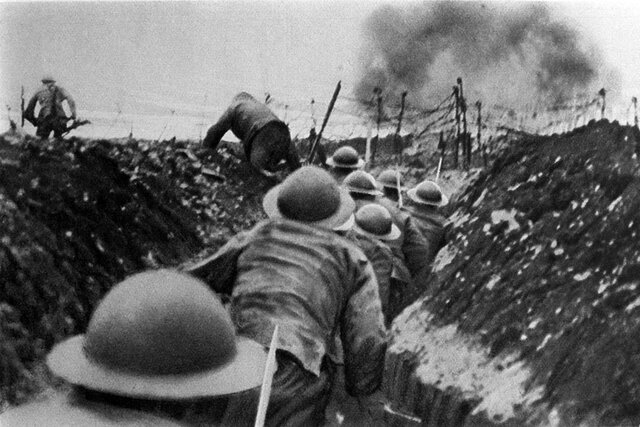
Meduza looks back at why the deadliest conflict of a century ago lasted so long, what it cost the countries involved, and what parallels can be drawn with the war of attrition between Russian and Ukrainian forces. ...