U.S. to slap 50% tariffs on Canadian goods
ONP Summary
Trump signed executive orders imposing 50% tariffs on Canadian goods including wine, hockey sticks, cement, and alcoholic beverages, effective in 30 days under Section 338 of the Tariff Act of 1930. The administration framed the action as retaliation for Canada's retaliatory duties on American products, though signaled openness to negotiations.
Progressive:Dubious legal authority — progressive outlets questioned Trump's invocation of an untested Section 338 provision to impose the tariffs.
Moderate:Contested rationales — centrist outlets noted Trump's varied and disputed justifications for the tariffs (fire smoke, trade discrimination) while suggesting negotiations were possible.
Conservative:Strategic boldness — conservative outlets praised Trump's surprising and decisive response to Canadian retaliatory duties, viewing tactical unpredictability as negotiating strength.
The Trump administration said Monday that it will impose an additional 50% tariff on certain Canadian goods — including hockey sticks, wine and cement — accusing Canada of discriminating against U.S. exports.
Why it matters: The move ratchets up tensions in an increasingly bitter trade dispute between two of the world's closest economic partners.
Zoom out: The tariffs, which take effect next month, will be imposed under Section 338 of the Tariff Act of 1930 — a never-before-used authority. The duties cover roughly $20 billion in annual Canadian imports.
A senior administration official said the tariffs were not the wildfire tariffs that President Trump had earlier threatened, though the official added that options on that front remain under consideration.
Zoom in: The administration says that Canada is one of only two countries — alongside China — to retaliate against Trump's earlier tariffs, pointing to provinces that pulled U.S. liquor from store shelves.
Officials also cited auto policies they say favor Canadian production and dairy rules they argue give European cheese an advantage over American imports.
The backdrop: Trump threatened to impose additional Canadian tariffs last week in a Truth Social post, saying that costs related to the wildfire smoke must be added to the tariffs.
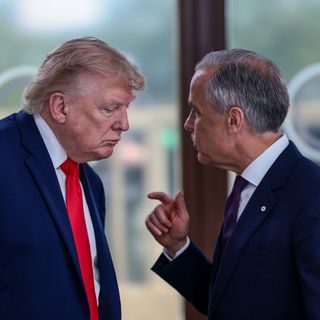
Trump and Canadian Prime Minister Mark Carney were seen together on Sunday at the World Cup final match in East Rutherford, N.J.
Trump told reporters the two men talked about potential action in response to the wildfires while noting their "good relationship."
The big picture: This marks another escalation in U.S.-Canada tensions after the Trump administration declined to extend the U.S.-Mexico-Canada Agreement, leaving the continent's trade pact in limbo.
Unlike previous Trump tariffs on Canada, the new duties apply to goods that qualify for duty-free treatment under the USMCA.
Economists have found that the trade deal has been critical in limiting the tariff impact on consumer prices.
The exemptions spare some of Canada's most strategically important exports, including potash, critical minerals and most energy products, limiting the potential fallout for U.S. industry.
The other side: In a statement posted on X, Carney called the tariffs "in direct violation" of the USMCA and pledged to intensify negotiations in the coming weeks.
The Canadian Chamber of Commerce called the tariffs a "regrettable escalation" and urged both countries to use the month before they take effect to advance negotiations.
The intrigue: This year's Supreme Court decision limiting Trump's emergency tariff powers forced the administration to search for other legal avenues to impose its trade agenda.
That includes the administration's temporary 10% global tariffs under Section 122 of the Trade Act — an authority that expires later this week.
Editor's note: This story was updated with additional details. ...
이 뉴스, 어떠셨어요?
탭 한 번으로 반응 · 로그인 불필요
공식 발표 ↔ 진영별 보도
+21
+50
+20