금감원, 미래에셋證 ‘스페이스X 0주 사태’ 검사…내부통제도 사정권
AI Summary
SpaceX went public on the NASDAQ on June 12 in the world's largest initial public offering. The initial offering raised $75 billion at $135 per share, but when underwriters exercised their greenshoe option, total fundraising expanded to $85.7 billion—nearly three times the previous record set by Saudi Aramco. The strong market reception reflected investor appetite for the aerospace company's dominance in rocket launches and satellite communications.
Progressive: Progressive-leaning outlets criticized the IPO as primarily benefiting wealthy and insider investors, characterizing the stock market as an exclusive wealth multiplier accessible only to the already-rich while ordinary retail participants faced severe allocation constraints.
Moderate: Centrist outlets reported the IPO's record-breaking scale and strong stock performance, noted that other major AI companies may pursue similar listings, and identified Trump administration regulatory policies as a key uncertainty factor affecting the technology sector.
Conservative: Conservative-leaning outlets celebrated the IPO as a historic market triumph, emphasizing the scale of capital raised, Wall Street institutional efficiency, Korean institutional investors' successful participation in allocations, and Musk's ambitious projection of $1 trillion in revenue within four years.
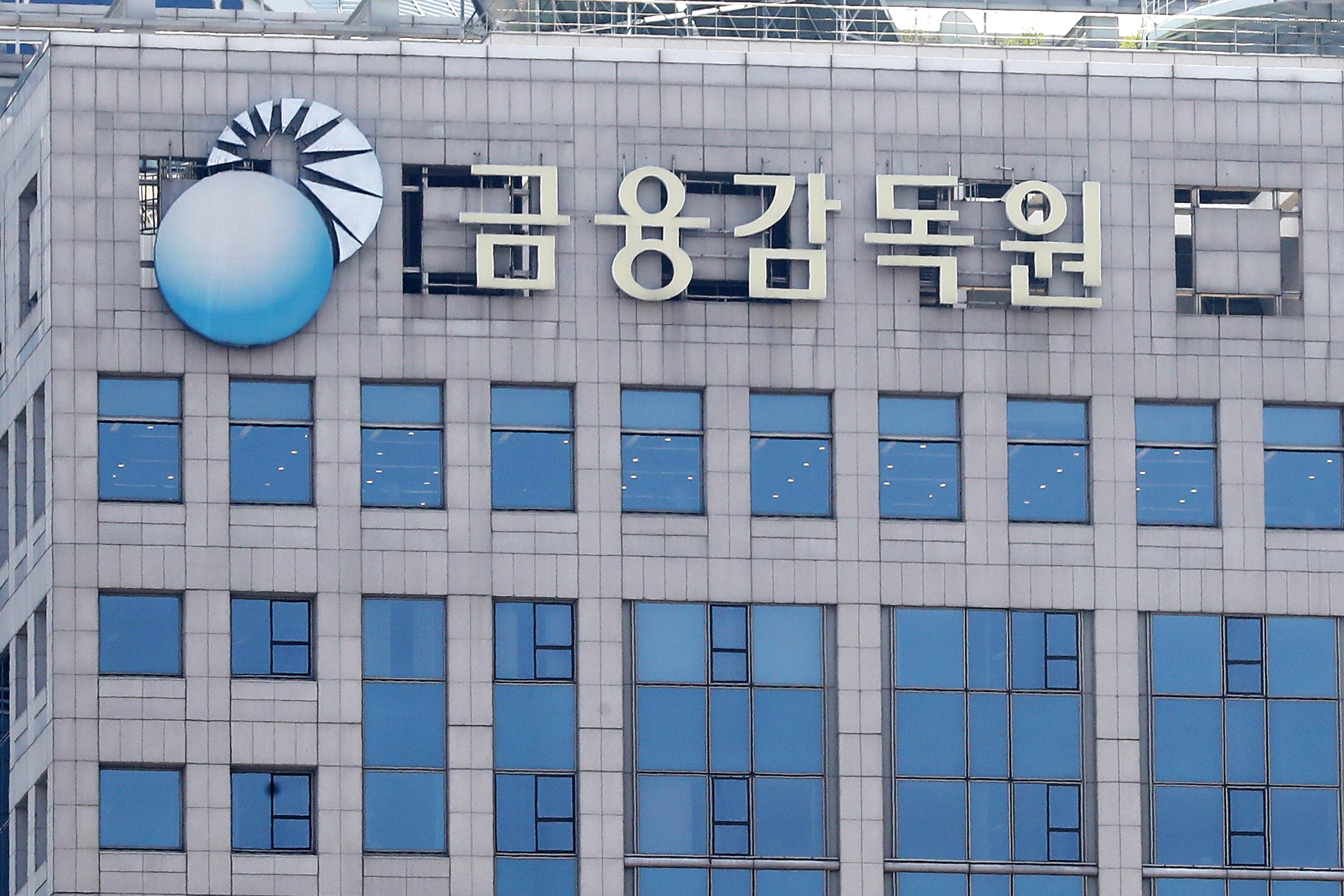
금융감독원이 미래에셋증권의 ‘스페이스X 0주 배정’ 사태에 대해 기한을 정하지 않고 검사에 나서기로 했다.
특히 스페이스X의 공모주 물량이 확실히 정해지지 않은 상태에서 박현주 미래에셋그룹 회장이 적극적인 홍보에 나선 만큼 금감원은 내부통제 문제도 들여다볼 예정이다.
16일 금융당국에 따르면 금감원은 현재 미래에셋증권의 검사 기한을 정하지 않고 미래에셋증 ...
이 뉴스, 독자들은 어떻게 느꼈나요?
첫 반응을 남겨보세요로그인하면 감정 반응에 참여할 수 있어요.