Takeaways from Tuesday's primaries and what they mean for November
AI Summary
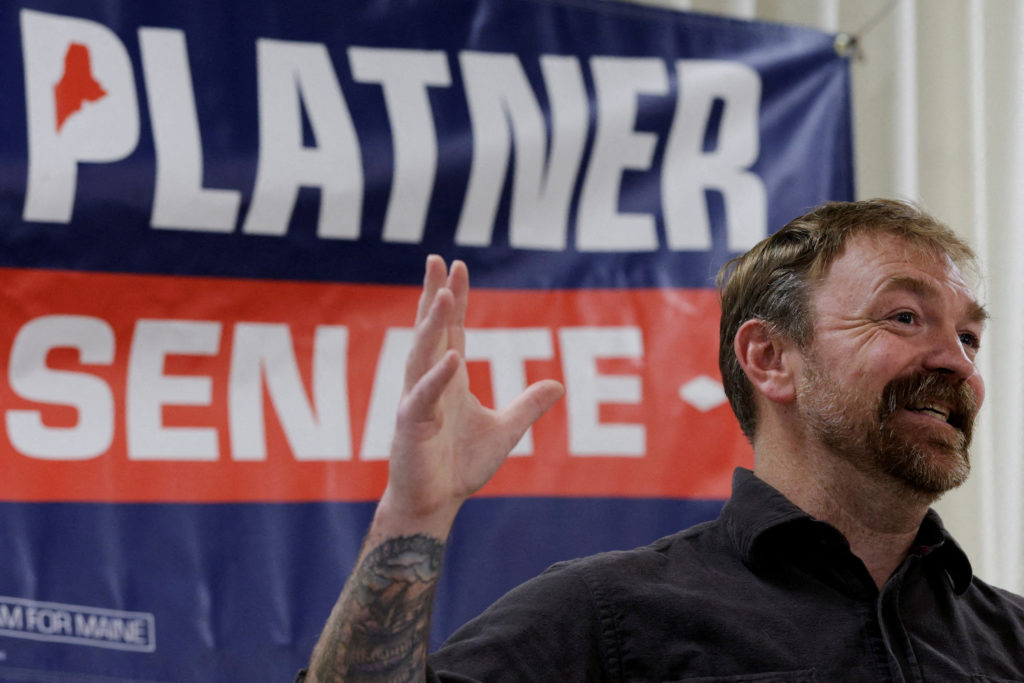
Graham Platner, a political newcomer, oyster farmer, and Marine veteran, won Maine's Democratic Senate primary on Tuesday despite facing multiple personal controversies involving alleged misconduct toward women and a sexting scandal. He will face Republican incumbent Sen. Susan Collins in the fall—a race Democrats view as critical to Senate control—though some Democratic lawmakers including Rep. Josh Gottheimer have suggested Platner should step aside to let the party nominate a stronger general-election candidate.
Progressive: Progressive-leaning outlets frame Platner's primary victory as a remarkable achievement of a political newcomer and progressive activist who has overcome adversity, emphasizing the race's significance for Democratic chances to win Senate control.
Moderate: Centrist outlets stress the gravity of the allegations and scandals, giving prominent space to Sen. Collins' demand that Platner provide "a detailed answer" about his conduct, and characterize his campaign as "scandal-plagued" and a potential liability.
Conservative: Conservative outlets highlight Democratic discomfort with Platner's nomination, focusing on statements from Democratic lawmakers predicting he will be forced off the ballot, suggesting even his own party views him as unviable.
Voters in four states went to the polls on Tuesday to choose their party's candidates.
The biggest event was in Maine, where Democratic Senate candidate Graham Platner had made scandalous headlines in the past weeks.
But in South Carolina, Nevada, and North Dakota, results for governor and congressional races are also coming in.
Lisa Desjardins reports. ...