Judge blocks Alabama's nitrogen gas execution method, rules it is unconstitutionally cruel
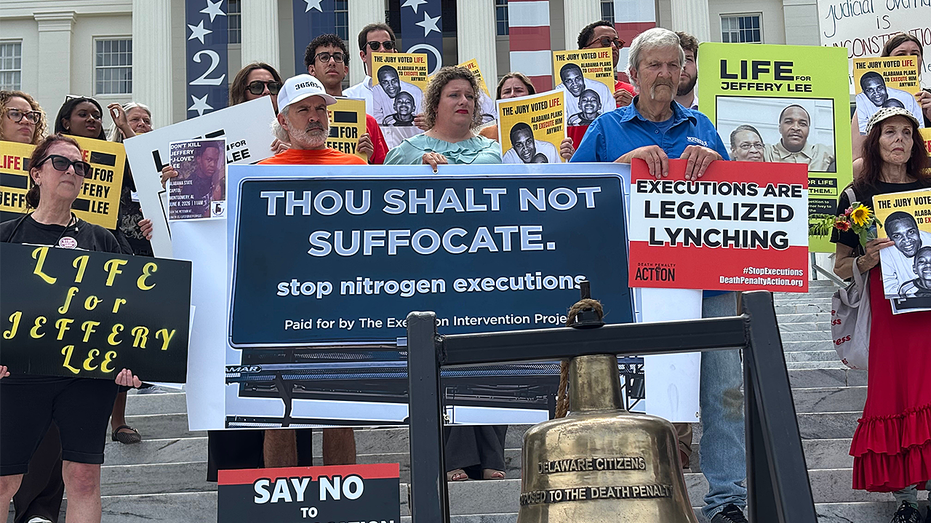
A federal judge permanently blocked Alabama from using nitrogen gas for executions, ruling the method violates the ban on cruel and unusual punishment.
๐บ๐ธ ๋ฏธ๊ตญ ยท "NITROGEN" ยท ์ด 4๊ฑด
ํํฐ ๋ณด๊ธฐํ์ฌ ์ง์
48.8
0 = ๋ถ์ ์ฐ์ธ
50 = ์ค๋ฆฝ
100 = ๊ธ์ ์ฐ์ธ
์ต๊ทผ 7์ผ ๊ธฐ์ค 10,975๊ฑด์ ๋ถ์ํ ๊ฒฐ๊ณผ, ๋ด์ค ์ฌ๋ฆฌ์ง์๋ 48.8(๊ท ํ)์ ๋๋ค. ๊ธ์ 1,068๊ฑด(9.7%)ยท์ค๋ฆฝ 7,905๊ฑด(72.0%)ยท๋ถ์ 2,002๊ฑด(18.2%)์ด๋ฉฐ, ์ค๋ฆฝ ๋น์ค์ด ๋๋ ทํ๊ฒ ๋์ต๋๋ค. ์ฑํฅ ์ง์๋ ์ข ํฉ 23.2(๋ณด์ ๊ฒฝํฅ)์ ๋๋ค.
A federal judge permanently blocked Alabama from using nitrogen gas for executions, ruling the method violates the ban on cruel and unusual punishment.

A federal judge blocked Alabama from executing an inmate with nitrogen gas, ruling that the method violates the Eighth Amendmentโs protections against cruel and unusual punishment. U.S. District Judge for the Middle District of Alabama Emily Marks ordered that the stateโs Department of Corrections is permanently enjoined from using nitrogen hypoxia execution. The order came [โฆ]

A federal appeals court ruled Monday that Alabama's nitrogen gas execution method likely inflicts a cruel and constitutionally impermissible degree of suffering on condemned inmates -- but stopped short of blocking a scheduled execution set for Thursday.
A federal judge has ruled that execution by nitrogen gas doesn't violate the constitutional ban on cruel and unusual punishment, rejecting an Alabama inmate's claim that it causes excessive suffering.