NDTV Top Stories
보수 성향
기타
Income Tax Return 2025-26: All About Rules, Refunds And Deadlines
ITR Filing: Filing a return has become simpler, it has also become easier to make mistakes.
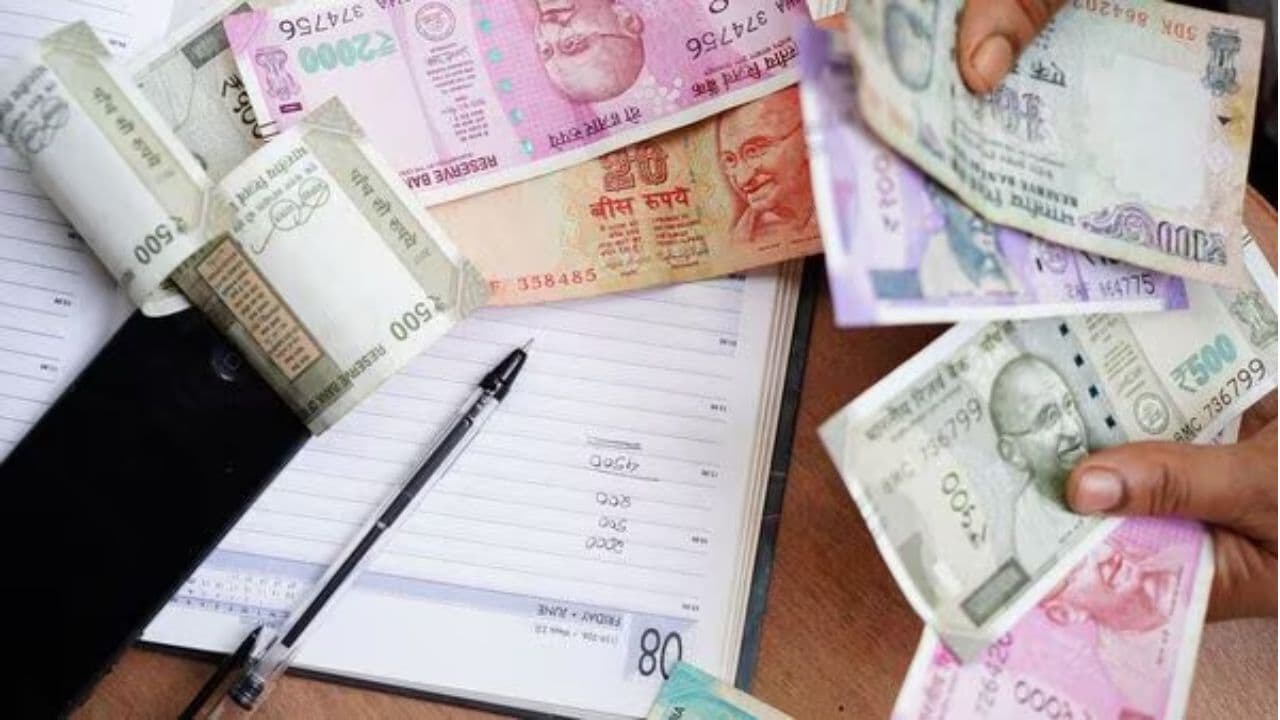
🇮🇳 인도 · "REFUNDS" · 총 12건
필터 보기현재 지수
48.3
0 = 부정 우세
50 = 중립
100 = 긍정 우세
최근 7일 기준 6,114건을 분석한 결과, 뉴스 심리지수는 48.3(균형)입니다. 긍정 620건(10.1%)·중립 4,140건(67.7%)·부정 1,354건(22.1%)이며, 중립 비중이 뚜렷하게 높습니다. 성향 지수는 종합 14.4(중도 균형)입니다.
ITR Filing: Filing a return has become simpler, it has also become easier to make mistakes.
India's RERA Act has revolutionized real estate by mandating project registration, transparent disclosures, and escrow accounts to prevent fund diversion. Developers now face strict penalties for delays and violations, while buyers gain rights to refunds and interest. This landmark legislation ensures accountability, protecting millions of homebuyers from past uncertainties and malpractices.
Shares of InterGlobe Aviation, the operator of IndiGo, fell more than 1% to their day's low of Rs 4,425 on the BSE on Wednesday after it suspended flights to and from Manchester from August 31, as prolonged airspace restrictions and rising operational expenses continue to weigh on long-haul services.The airline said the temporary suspension will lead to the return of one of the six Boeing 787-9 Dreamliner aircraft leased from Norse Atlantic Airways, which were brought in to support its long-haul international expansion plans.In a statement issued on Tuesday, IndiGo said ongoing international airspace constraints have significantly increased flight durations, while a difficult cost environment has made operations on the route increasingly challenging. As a result, services between India and Manchester will be paused from August 31, 2026.The carrier had inducted six Boeing 787-9 Dreamliners on damp lease from Norse Atlantic Airways in early 2025 as part of its strategy to accelerate entry into European markets before the arrival of its own Airbus A350 aircraft. The Manchester service was among the first long-haul routes launched under this initiative.According to the airline, a combination of geopolitical tensions in the Middle East, elevated aviation turbine fuel (ATF) prices, severe airspace restrictions and currency volatility pushed operating costs well above original expectations.Abhijit Dasgupta, Senior Vice President for Network Planning and Revenue Management at IndiGo, said the route had received a strong response from passengers despite the operational difficulties."We inducted these wide-body aircraft on a short-term basis to fast-track our connectivity to high-potential long-haul destinations such as Manchester and witnessed very encouraging demand response," Dasgupta said."Unfortunately, longer flying times due to airspace constraints coupled with dramatically escalating costs compelled us to take the decision to temporarily discontinue our India-Manchester services," he added.The airline stressed that the suspension is only temporary and reaffirmed its commitment to growing its long-haul international network. Dasgupta said the positive customer response had strengthened IndiGo's confidence in the long-term viability of the Manchester route and its wider international expansion plans.IndiGo also said affected passengers will be notified in advance and assisted with alternative travel options or refunds, wherever applicable. The airline clarified that all of its other long-haul international services will continue to operate as scheduled.IndiGo Q4 snapshotIndia’s leading airline by market share reported a net loss of Rs 2,536 crore for the fourth quarter of FY26, compared with a net profit of Rs 3,067 crore in the corresponding period last year. Revenue from operations, however, edged up 1% year-on-year to Rs 22,438 crore.The airline said its operational performance during the quarter was affected by disruptions linked to the ongoing conflict in the Middle East. Capacity, measured in available seat kilometres (ASKs), increased 3.4% year-on-year to 43.6 billion. IndiGo shares have fallen 20% in the last six months and about 17% in the last 1 year. Sensex, Nifty today: Catch all the LIVE stock market action here (Disclaimer: Recommendations, suggestions, views and opinions given by the experts are their own. These do not represent the views of The Economic Times)
The Trump administration on Tuesday formally appealed a judge's order for refunds of the US president's global tariffs after they were struck down by the Supreme Court earlier this year.At stake is some $166 billion in revenue. A refunds system handled by US Customs and Border Protection (CBP) has already begun to process repayments.Last month, the CBP said in a court filing that it was on track to process about $85 billion in repayments, with $20.6 billion approved for disbursement.But the latest appeal could potentially impact this operation.After returning to the White House last year, President Donald Trump moved swiftly to impose sweeping tariffs on allies and competitors alike, tapping the International Emergency Economic Powers Act to target different countries with different rates.In February this year, the high court ruled that Trump had exceeded his authority in imposing these duties.A judge of the Court of International Trade has since ruled that refunds should take place, although giving room for the CBP to comply with the order.The agency estimated in March that more than 330,000 importers could be eligible for repayments.Hundreds of companies have sought to get their money back, including small businesses and major firms like delivery and freight giant FedEx and warehouse retailer Costco.Trump however has said that he would remember US companies that did not seek tariff refunds, signaling that he might view them more favorably.Since the Supreme Court ruling -- which did not affect Trump's sector-specific tariffs -- the US leader has tapped separate authorities to slap a new 10-percent tariff on imports.This is temporary, however, as US officials move to enact more lasting duties.
Many salaried taxpayers are already gearing up to submit their returns, hoping to finish the process early, receive refunds sooner or avoid the usual rush closer to the deadline. But before rushing to file, there is one crucial question taxpayers should consider.
Goods and Services Tax (GST) refunds grew 2.6 per cent to Rs 27,281 crore.
A barbecue chain has gone viral for refunding 50% of mutton kebab bills to customers without complaints, totalling over ₹1.5 crore.
NEW YORK: Businesses big and small have started receiving tariff refunds after the U.S. Supreme Court ruled that President Donald Trump lacked the constitutional authority to impose higher import taxes on goods from nearly every other country.The process could grind to a halt, however, after the Trump administration said Friday that it intended to appeal a federal judge's order to allow all companies that paid the invalidated duties to seek refunds, not just the ones that filed lawsuits.Until the Department of Justice informed the judge of its planned appeal, the refund system overseen by U.S. Customs and Border Protection had been working fairly smoothly. Refunds reached the bank accounts of the first successful applicants on May 12, about three weeks after importers and their customs brokers could start submitting claims through an online system, according to CBP.Applications for refunds totaling $85 billion - more than half of the $166 billion the agency estimated the government owes to companies that paid the tariffs on imported goods - were accepted for processing as of May 22, CBP reported in a legal filing earlier in the week. It said it had so far directed the Treasury Department to issue $20.6 billion in refunds.Also read | US probes Reid Hoffman group over funding lawsuits against Trump, source saysThe administration revealed its appeal preparations while objecting to a demand by Judge Richard K. Eaton for CBP Commissioner Rodney Scott to appear in the U.S. Court of International Trade to answer questions about how long it would take to repay all 330,000 importers that might be eligible for refunds. The judge scheduled a June 9 hearing on why he shouldn't require the government do whatever it takes to speed up the process.Justice Department lawyers asked Eaton to allow one or two of Scott's deputies to appear in his place, arguing that as a high-ranking presidential appointee, the CBP chief could not be compelled to testify. They also argued that Eaton exceeded his authority when he determined in March that the Supreme Court's ruling entitled "all importers of record'' to refunds."For that reason, defendants intend to appeal the court's universal injunction," the lawyers wrote, adding that CBP would continue to move "as quicky as it can to process refunds in a phased approach" for businesses that filed legal complaints asserting their rights to refunds.In a written reply, Eaton said he needed to hear directly from Scott whether the government would return all of the money it collected between when Trump put what he called "reciprocal" tariffs on most countries in April 2025 and when the Supreme Court struck them down in late February."It is undisputed that the remedy for this unlawful collection is for the United States government to refund the unlawfully collected duties," the judge wrote.Refunds coming in phasesMore than 1,000 companies, including large ones like Costco, Goodyear Tire, banana and pineapple distributor Dole Fresh Fruit, and department store chain Kohl's, filed lawsuits to recoup their tariff costs. The judge said Wednesday he intended to allow cases he put on hold while CBP figured out how to handle refund claims - they numbered 485 in mid-March - to proceed.Also read | Minority union at Samsung Electronics to challenge pay deal in courtCustoms and Border Protection is handling refund claims in phases, focusing first on payments that weren't finalized before the Supreme Court handed down its 6-3 decision. CBP officials have said those later payments were more straightforward to process.Importers are required to make estimated tariff payments when goods enter the U.S. The declared items then enter a process called "liquidation," in which CBP determines how much in import taxes was owed. The decision becomes final after 180 days unless the payer contests the bill.In Friday's filing, the Justice Department said the agency did not have the technological ability or the legal authority to recalculate liquidated accounts without "importer-specific orders" in each lawsuit.Price cuts promisedSome national retail chains said they planned to use their tariff refunds refunds to lower customer prices on some items. Walmart Chief Financial Officer John David Rainey told analysts last week that the company would implement price cuts even though the maximum refund it might be eligible for represented less than half of 1% of Walmart's $483 billion in annual U.S. sales.Costco intends to return the tariff costs that it passed on to members, CEO Ron Vachris said. How much of its refund the big-box retail chain redistributes, when and in what form, depends on factors such as the size of the refund, when it arrives, and developments in a lawsuit seeking tariff compensation for Costco customers, Vachris told investors Thursday.Consumers could first see refunds from shipping companies such as FedEx, UPS and DHL, which acted as customs brokers when they delivered products ordered from overseas. The companies charged either the sellers that shipped the packages or the buyers who received them and turned the tariffs they collected over to CBP.All three promised to return any refunds they get to the customers that paid the import taxes. Last week, FedEx said it was "working to swiftly process refunds and return them to the shippers and consumers who originally bore those charges."Putting refunds back into the businessThe Supreme Court invalidated only the country-by-country tariff rates Trump set by citing the 1977 International Emergency Economic Powers Act. Others he imposed under different rationales remain in effect. Trump also has moved to introduce new tariffs since the court's Feb. 20 ruling.Some smaller companies told The Associated Press that the tariff refunds they've received so far would go toward paying remaining or future tariffs or getting back on solid financial footing after more than a year of uncertainty and additional costs.Jay Foreman, CEO of toy company Basic Fun, said he received about $450,000, or 7% of his total claim, over two consecutive days. He took the repayment as a positive sign but said that after having less than $10,000 refunded since then, the process seemed like a "total slow roll.""It's time to release the funds back into the economy, especially given how much we and others need these funds to support our businesses and fund our operations," Foreman said.Men's grooming brand Manscaped has received about 30% of the $12 million in refunds it applied for, President Kevin Datoo said. He said the San Diego company deferred investments and took on debt to pay tariffs on imports from Indonesia, China and elsewhere in Asia last year."We need to shore up the balance sheet because there's still a whole second chapter here," Datoo said.Melkon Khosrovian, who owns Greenbar Distillery in Los Angeles, said he applied for a tariff refund of about $90,000 for 17 different shipments and has received $18,000 covering four of them. Certain types of herbs, spices and packaging are hard to find domestically, so Khosrovian said he imports them.The tariffs were "painful," he said. He invested money to automate his bottling process last year so he wouldn't have to pay as many workers. The move allowed him to reduce his 13-person staff by three, but Khosrovian noted that the White House had argued the tariffs would create more U.S. manufacturing jobs."Our choices were bad and worse: raise prices and lose customers, or keep prices the same and not make any money," he said.
The Trump administration plans to appeal a court order allowing all importers who paid struck-down tariffs to seek refunds. This move could significantly slow down the multibillion-dollar repayment process already underway.
The Trump administration said it will appeal a judge’s authority to order across-the-board refunds of all tariffs ruled illegal by the US Supreme Court, potentially injecting legal chaos into a claims process that’s already underway.The Justice Department filed notice on Friday that it will appeal a court order compelling customs authorities to recalculate all import taxes that the administration collected under President Donald Trump’s use of a 1970s-era emergency powers law.Also read: US says $20.6 billion of tariff refunds on the way to importersUS Customs and Border Protection launched a new online portal to process refund claims on April 20, signaling that it intended to repay at least some of the approximately $166 billion in levies struck down by the Supreme Court earlier this year. But even as the administration has moved forward with that plan, the Justice Department declined to concede that a judge could exercise nationwide power to oversee the process, leaving open the possibility of another legal fight. “For that reason, defendants intend to appeal the court’s universal injunction and to seek a stay of the injunction except as to the particular importer plaintiffs in each case in which the Court has entered the injunction,” the Justice Department said in the court filing Friday.In a 6-3 decision in February, the Supreme Court held that Trump’s use of the International Emergency Economic Powers Act, or IEEPA, to impose sweeping global tariffs was unlawful. They were silent on the question of refunds, however, sending the litigation back to the US Court of International Trade in Manhattan to determine next steps. Trade Judge Richard Eaton, appointed under former President Bill Clinton, was assigned to preside over thousands of lawsuits importers filed seeking to recoup the taxes they had paid before the Supreme Court ruled. Eaton ordered the customs agency to recalculate tariff amounts for all importers who paid the contested levies, not just the companies that had sued. The government also committed to paying interest on any refunds.Uncertainty has loomed about whether officials would oppose repaying the full amount. Eaton has mostly held non-public court hearings to discuss the government’s progress, but he indicated in a public order there was disagreement about how to handle tariffs that became final, a process that happens automatically on a rolling basis.Also read: US companies, shamed by Trump, tiptoe into $166 billion tariff refund race A customs official had also disclosed in court filings that the first phase of the refund portal roll-out wouldn’t be able to handle a significant proportion of the import entries at issue, and didn’t provide a concrete schedule for expanding the system’s capabilities to deal with more complicated claims.Trump, meanwhile, lambasted the Supreme Court’s decision and suggested that companies that didn’t seek refunds could reap political benefits in the future, saying that he would “remember them.”Separate from the IEEPA legal wrangling, the Trump administration is before the trade court defending a new round of global tariffs that the president imposed under a different law shortly after he lost in the Supreme Court.A three-judge panel declared the policy unlawful. But a federal appeals court temporarily paused that ruling while it weighs the government’s request for a longer-term order allowing customs authorities to continue collecting the levies as the court fight proceeds.
This comes a day after Union Education Minister Dharmendra Pradhan sought a detailed report from the CBSE over complaints of technical glitches faced by students during the re-evaluation process