News18 (India)
보수 성향
기타
부정적One Year After Deadly Air India Crash, Final Report Delayed as Engine Analysis Remains Incomplete
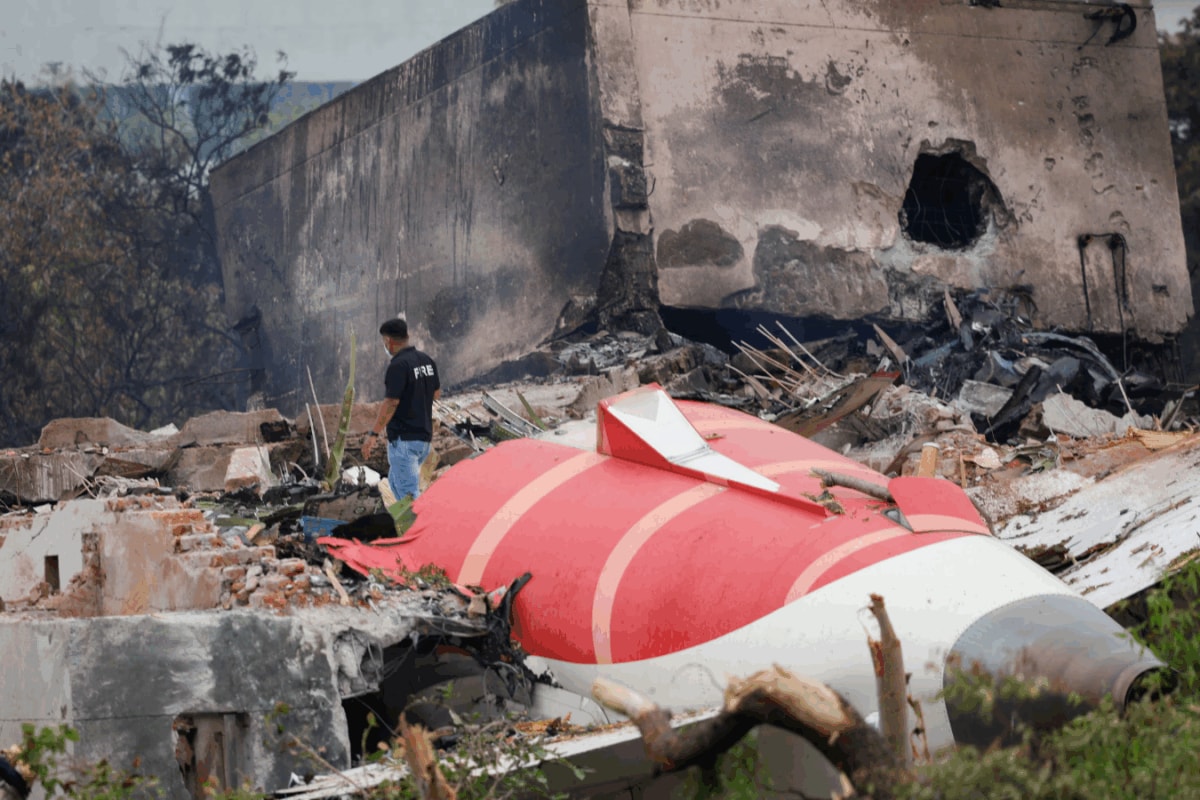
The GE Aerospace-made (GE.N) engines have been at the centre of the investigation into the Air India plane crash.
🇮🇳 인도 · "ENGINE" · 총 137건
필터 보기현재 지수
48.2
0 = 부정 우세
50 = 중립
100 = 긍정 우세
최근 7일 기준 5,549건을 분석한 결과, 뉴스 심리지수는 48.2(균형)입니다. 긍정 566건(10.2%)·중립 3,712건(66.9%)·부정 1,271건(22.9%)이며, 중립 비중이 뚜렷하게 높습니다. 성향 지수는 종합 15.9(중도 균형)입니다.
The GE Aerospace-made (GE.N) engines have been at the centre of the investigation into the Air India plane crash.
As the world gears up for Elon Musk's SpaceX IPO at a staggering $1.75 trillion valuation, a relatively lesser-known Indian company is emerging as an unlikely beneficiary thousands of miles away. INOX India, a global leader in cryogenic technology, has found itself in the spotlight as investors hunt for domestic companies with exposure to the rapidly expanding global space ecosystem.The excitement around SpaceX's public listing has already spilt over into INOX India's stock. Shares of the company have surged 25% over the past month and have gained in seven of the last eight trading sessions.The frenzy surrounding SpaceX's IPO, which reports suggest was oversubscribed nearly four times, has prompted investors to look beyond the headline-grabbing U.S. listing and identify potential beneficiaries closer home. For many, INOX India appears to fit that bill. But what exactly is the connection?Inox's aerospace pushDuring its Q4 earnings call, the company disclosed that it had secured a significant aerospace order from a leading U.S.-based private space company. The total order value is approximately Rs 200 crore. Management said it expects additional high-value orders in the first quarter of FY27."This order is a direct outcome of our proven execution capabilities and reinforces the growing confidence that global aerospace players have in INOX India's engineering expertise," the company said."Aerospace cryogenic systems are not short-term trends, but a long-term structural opportunity. We believe that INOX India is well-positioned to capitalise on these opportunities through its engineering expertise, diversified capabilities, and expanding global presence and footprint," the company added.Can Inox India shares rally more?According to Sunny Agrawal, Head of Research at SBI Securities, investor interest in INOX India has picked up significantly ahead of the SpaceX listing. Beyond aerospace, the company is also expanding into segments such as data centres, nitrogen supply and distillery kegs, providing additional growth levers."Management has guided for 15-20% growth per year, and after the recent rally, the stock is trading at a relatively rich valuation of about 56 times one-year forward earnings," Agrawal said. He believes investors may be better off waiting for a correction before making fresh purchases. "Investors may consider waiting for a correction before fresh entry, as some profit-taking and a cooling-off in the stock could follow once SpaceX gets listed," he added.SpaceX IPOThe much-anticipated SpaceX IPO is scheduled to be priced on June 11, with trading set to commence on the Nasdaq on June 12. The company is looking to raise $75 billion through the offering, which would value the business at approximately $1.75 trillion.Despite the enormous investor enthusiasm, SpaceX remains loss-making. For 2025, the company reported revenue of $18.67 billion and a net loss of $4.94 billion. Much of the bullishness around the stock is tied to its future opportunities across satellite broadband, launch services, defence contracts and AI-related businesses rather than its current earnings profile.Not everyone is convinced by the valuation, however. Morningstar said in a note published on Monday that the company appears "significantly overvalued" and suggested that investors may find more attractive entry opportunities after the stock begins trading.Inox India Q4 snapshotINOX India reported a strong performance for the fourth quarter of FY26, with revenue rising 24.2% year-on-year to Rs 475 crore. Adjusted EBITDA grew 13.4% to Rs 108 crore, while adjusted profit after tax (PAT) increased 9% to Rs 72 crore compared with the corresponding quarter last year.Exports continued to be a key growth driver, with export revenue standing at Rs 291 crore and contributing 61% of total quarterly revenue. During the quarter, the company secured order inflows worth Rs 504 crore, taking its total order backlog to Rs 1,514 crore.For FY26, INOX India delivered its highest-ever annual revenue of Rs 1,632 crore, up 21.2% year-on-year. Adjusted EBITDA rose 20.2% to Rs 388 crore, while adjusted PAT increased 19.3% to Rs 261 crore. Annual export revenue came in at Rs 971 crore, accounting for 59% of total revenue, reflecting sustained strength in international demand throughout the year.INOX India shares have risen 64% since the start of the year.(Disclaimer: Recommendations, suggestions, views and opinions given by the experts are their own. These do not represent the views of The Economic Times)
First E20, then E85, now E100 and finally, flex fuel vehicles—India is undertaking an audacious experiment to build a new multi-billion-dollar green mobility ecosystem. But here’s the catch: it’s playing the long game, completely in reverse.In standard industrial transitions, the market responds organically to vehicle demand by slowly introducing fuel infrastructure over time; for example, the way the country’s first electric vehicles were rolled out.However, under a recent order from the Central government, the infrastructure for E100 is essentially arriving first.Also Read | Maruti Suzuki launches India's first flex-fuel car, bets on biofuels to boost energy securityDriven by a pressing need to secure national energy self-reliance and shield the domestic economy from volatile geopolitical crises—particularly the ongoing oil trade disruptions in West Asia—the Ministry of Petroleum and Natural Gas, alongside state-run oil marketing companies, has committed to laying down 5,000 dedicated E100 dispensing stations across the country over the next two years.“India imports a large quantity of crude oil every year, and biofuels like ethanol are an important pathway towards reducing this dependence while strengthening our rural economy. Flex-Fuel Vehicles can create a strong and sustainable demand for ethanol, benefiting our farmers, industry, and the environment together,” Union Road Transport Minister Nitin Gadkari said at an event in New Delhi last week.“Today, we are facing an energy crisis due to the war in West Asia, so it is necessary for us to become self-reliant in the energy sector,” he had said earlier.Also Read | India waives excise duty on petrol with higher ethanolHe also called for the phased-out conversion of existing BS6 vehicles into FFVs. “And lastly, if it is possible, whichever EURO6 emission car you have, you can convert it to flex engine through your service centre.”The physical distribution network is springing up before flex-fuel vehicles have even rolled off assembly lines, and there may be some questions.At the very heart of this systemic transformation sits the domestic sugar and distillation industry. Ethanol is fundamentally a high-purity alcohol. Just as traditional alcohol is created through fermentation, the bio-ethanol used to power cars is produced by capturing the natural chemistry of sugar and microscopic organisms.Deepak Ballani, the Director General of the Indian Sugar Mills Association (ISMA), views this massive transition not merely as a temporary patch for the automotive market, but as a structural overhaul of how India generates and consumes energy.According to Ballani, the entire premise of the debate around biofuels needs to change.He points out that looking at ethanol as a mere substitute for petrol misses the larger economic picture. “The premise assumes that ethanol is merely a substitute for petrol, whereas its value extends far beyond fuel price parity,” Ballani said.“Ethanol is a domestically produced renewable fuel that reduces India's dependence on imported crude oil, improves energy security, and creates a stable income stream for farmers and rural economies,” the ISMA chief added.Breaking the chicken-and-egg dilemmaFor decades, the global transition to alternative fuels has been plagued by a classic chicken-and-egg dilemma where automakers refuse to manufacture alternative fuel vehicles because there are no dispensing pumps, and fuel providers refuse to install pumps because there are no vehicles to buy the fuel.India has smashed this deadlock by moving the fuel supply mechanism ahead of the vehicle market.The country has already executed a rise under its Ethanol Blended Petrol Programme, lifting ethanol blending in standard petrol from a meagre 1.5% in 2014 to a ubiquitous 20% today.According to a PIB release this month, that 20% achievement alone has unlocked a staggering Rs 1.84 lakh crore in foreign exchange savings through the substitution of 302 lakh metric tonnes of imported crude oil.However, the leap from E20 to E100, which represents 100% pure ethanol, introduces some technical and structural complexities.Recognising that the infrastructure must act as the primary catalyst, Union Minister for Petroleum and Natural Gas, Hardeep Singh Puri, announced a hyper-accelerated rollout of 50 to 100 ethanol dispensing stations across the Delhi-NCR region and the Mumbai-Pune-Nagpur corridor.This regional pilot network is targeted to swell to 500 hundred stations by December 2026, culminating in a sprawling web of 5,000 across major cities by the end of 2027.Seeing the plan of physical pumps materialise, within days of E100 pump announcement, market leader Maruti Suzuki took the definitive first step.On June 4, the auto giant officially launched India’s first flex-fuel passenger car, the Wagon R Flex Fuel that is able to operate seamlessly on any blend of petrol and ethanol between E20 and E100."A new chapter in India's energy journey,” is what Hisashi Takeuchi, Managing Director & CEO of Maruti Suzuki India termed the event.However, the Maruti Suzuki head called for some team effort."Large-scale adoption of flex-fuel will take time and effort from all stakeholders. An entire ecosystem needs to be developed – from fuel availability to more model launches, from customer awareness to fuel and vehicle pricing. In the absence of an ecosystem, it is the responsibility of the market leader to take the first step and encourage others,” he said.Once it reaches mainstream adoption, Takeuchi stressed that "Flex-Fuel Vehicles have the potential to cut oil imports, carbon emissions, and local air pollution while enhancing domestic value addition and farmer incomes."Simultaneously, the two-wheeler segment has also entered the space as Hero MotoCorp recently debuted the country's first flex-fuel motorcycles, launching E85-ready variants of its legacy commuter mainstays, the Splendor Plus and the HF Deluxe.Navigating technical realitiesNow, India has a new category in four-wheelers as well as two-wheelers. But what’s new?To the uninitiated, running a vehicle on ethanol sounds like a simple software recalibration. To an automotive engineer, it can be a challenge.According to the International Energy Agency, ethanol possesses distinct mechanical traits that make it highly corrosive, hygroscopic and lower in energy density than standard fossil fuels.The agency reports that because ethanol naturally pulls water out of the air, standard automotive fuel systems left untreated would face internal corrosion, leading to rusted fuel tanks, clogged fuel lines, and disintegrated rubber seals.To bypass this, an auto engineering team has to overhaul the vehicle's internals.For example, the Wagon R Flex would likely feature a completely redesigned architecture including fortified, corrosion-resistant fuel lines, heavy-duty robust seals, completely overhauled fuel injectors, and an advanced, specially calibrated Engine Management System designed to adapt dynamically to the unique chemical properties of varying ethanol concentrations.Moreover, the IEA notes “Ethanol has a significantly lower energy density (Joule per liter), about two‐thirds of that of gasoline, so about 50 percent more fuel (by volume) is needed per kilometer, if a given engine is equally efficient on either fuel.”This means that a vehicle operating on pure E100 or high-blend E85 will require a greater volume of fuel to cover the same distance as a petrol car.However, amid these technical changes, public anxiety around transition readiness, the Society of Indian Automobile Manufacturers, in an August 2025 report, said that allegations suggesting specifically E20 affecting insurance and warranty of vehicles are “baseless.”In the same report, the industry body further addressed widespread consumer concerns about mileage loss and called it “misplaced”.“Real-world vehicle mileage depends far more on distinct everyday factors like driving habits, maintenance practices, the age of the vehicle, tyre conditions, and the usage of AC load,” it added.More recently, SIAM said that for E100 or E85 to make financial sense for average Indian consumers, the fuel must be priced at least 30% cheaper at the pump than conventional E20 petrol.On the heels of Maruti’s launch and the E100 pump announcement, the Central government on Wednesday rolled out another initiative that could help tackle this cost concern.India, the world's third-largest oil importer and consumer, abolished central excise duty on petrol blended with higher levels of ethanol.A Ministry of Finance notification extended central excise duty exemptions to petrol blended with 22%, 25%, 27%, and 30% ethanol. The nil excise duty rate will apply to all four blends, provided they conform to Bureau of Indian Standards specification IS 19850.On the other hand, pure E100 opens up structural efficiencies that standard blends cannot offer. Ballani highlights this supply chain advantage.“Hydrous E100 does not require blending with gasoline and can be supplied directly from distilleries to retail outlets, eliminating blending costs and simplifying the supply chain,” he said.How India diverges from brazilTo understand the scale of India's ambition, one must contrast it with the global gold standard of biofuels, which is Brazil.Brazil’s legendary flex-fuel ecosystem, which allows consumers in the country to alternate between different vehicles requiring pure gasoline and pure sugarcane ethanol, was built via a bottom-up approach spanning over five decades.Spurred by the global oil shocks of the 1970s, Brazil's government subsidised massive agricultural expansions, gradually integrated low blends, and allowed the auto industry decades to slowly mature its engine tech.Furthermore, Brazil relies on a massive, highly specific agricultural surplus of sugarcane grown in vast, rain-heavy, non-irrigated zones, making it uniquely isolated from food-versus-fuel debates.India’s model is radically different, marked by speed, agricultural diversity, and technological leapfrogging.While Brazil utilised a slow, evolutionary rollout over fifty years, India is executing a compressed, revolutionary strategy.

The two pilots operating the Air India Boeing 787 that crashed last year were Captain Sumeet Sabharwal and First Officer Clive Kunder. As investigators continue examining the cause of the accident, details about the pilots' training, experience and careers have come under public focus. Indian investigators are expected to delay the final crash report beyond the first anniversary of the accident as they complete an analysis of the aircraft's engines. Captain Sumeet Sabharwal Captain Sumeet Sabharwal, 56, was one of Air India's most experienced pilots. He held an airline transport pilot's licence valid until May 14, 2026, and was qualified to command Boeing 787, Boeing 777 and Airbus A310 aircraft. According to the preliminary investigation report, he had logged 15,638 flying hours during his career, including 8,596 hours on the Boeing 787. A Times of India report said Sabharwal spoke to his family from the airport before departure and told them he would call again after landing in London. A pilot who had briefly interacted with him told Reuters he was a "gentleman." After the crash, Sabharwal's father approached the Supreme Court seeking an independent investigation that would consider causes other than pilot action. He said officials from India's Aircraft Accident Investigation Bureau had suggested to him that his son cut fuel flow to the aircraft's engines shortly after takeoff. First Officer Clive Kunder First Officer Clive Kunder, 32, held a commercial pilot licence issued in 2020 and valid until September 26, 2025. He was qualified to fly Cessna 172 and Piper PA-34 Seneca aircraft as pilot-in-command and served as a co-pilot on Airbus A320 and Boeing 787 aircraft. Kunder had accumulated 3,403 flying hours, including 1,128 hours on the Boeing 787 as a co-pilot, according to the preliminary report. Indian media reports, citing relatives, said Kunder developed a passion for aviation during his school years and began pursuing a flying career in 2012. The Wall Street Journal reported that he attended flight school in Florida before joining Air India in 2017. He initially flew the Airbus A320 and later transitioned to the Boeing 787 fleet. Family members and friends told the newspaper that Kunder enjoyed superhero movies, taught himself how to build a personal computer and had considered pursuing a professional esports career while in college. The profiles of both pilots have drawn attention as investigators continue their work to determine the cause of one of India's most closely watched aviation accidents.
FSUI says US missile hit oil tanker Settebello near Strait of Hormuz, killing two Indian sailors, with the chief engineer missing, 24 Indians were among 28 crew aboard
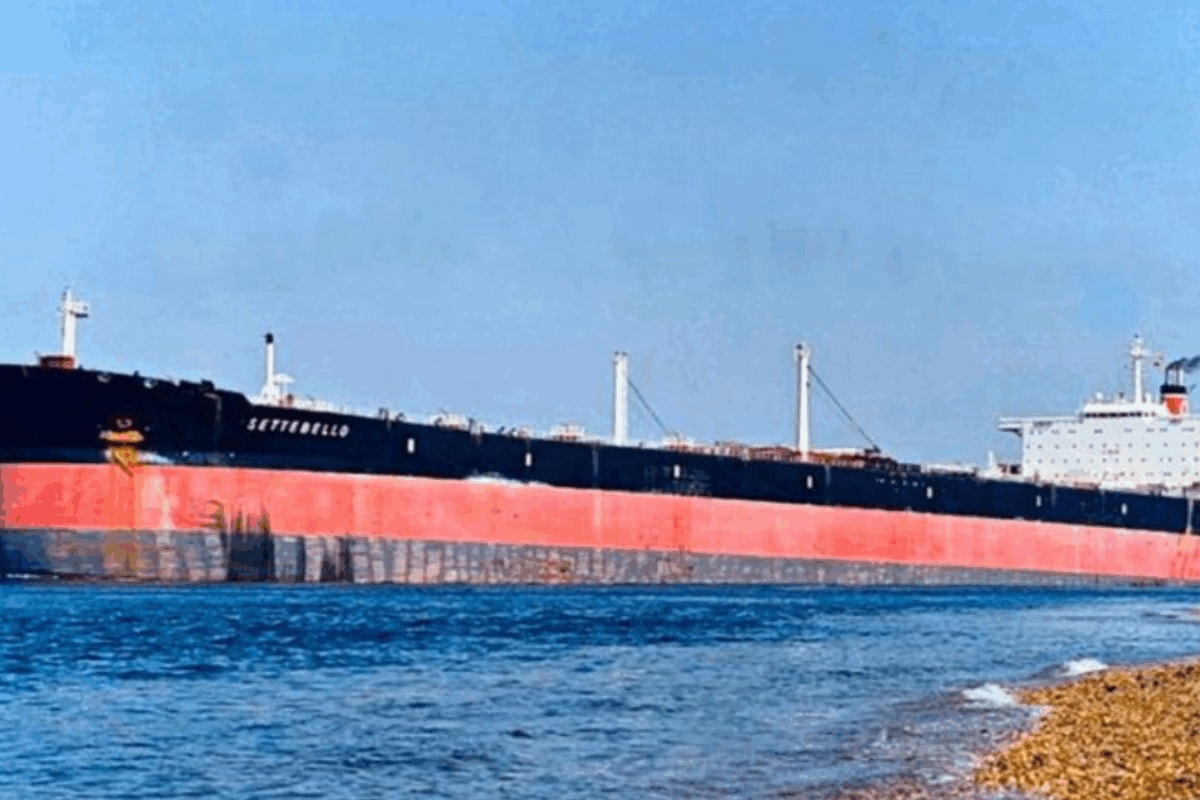
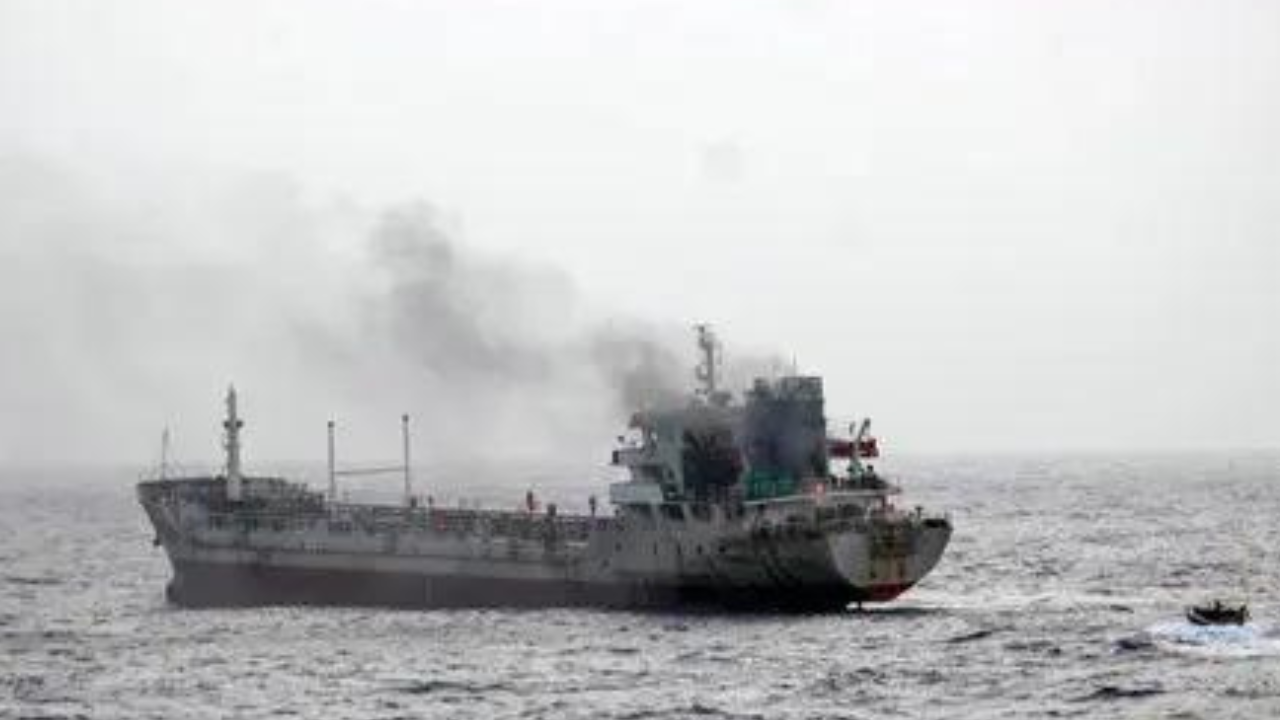
Two Indian sailors have died and a chief engineer is missing after a commercial vessel, MT Settebello, was attacked near the Strait of Hormuz. While 21 of the 24 Indian crew members were rescued, the incident raises serious concerns for seafarers in the volatile Gulf region. India has formally protested the attack, emphasizing the need to protect maritime workers.

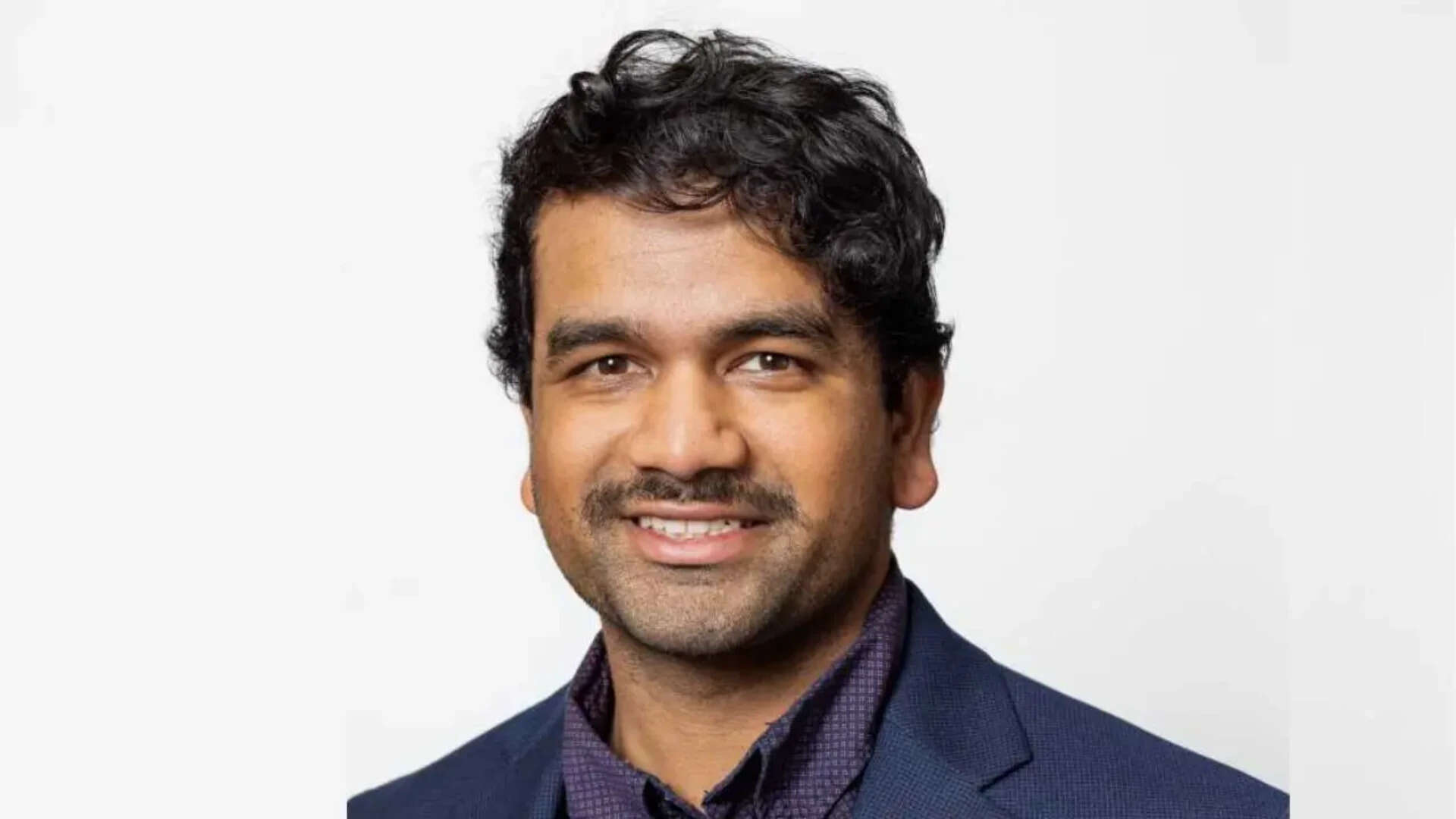
Indian-American engineer Vibhav Altekar is in the spotlight after a drone boat developed by his company, Saronic Technologies, helped carry out a first-of-its-kind US military rescue mission near the Strait of Hormuz. Here's a look at how the UC Davis graduate built a career in AI, autonomous systems and maritime technology before co-founding the defence tech company
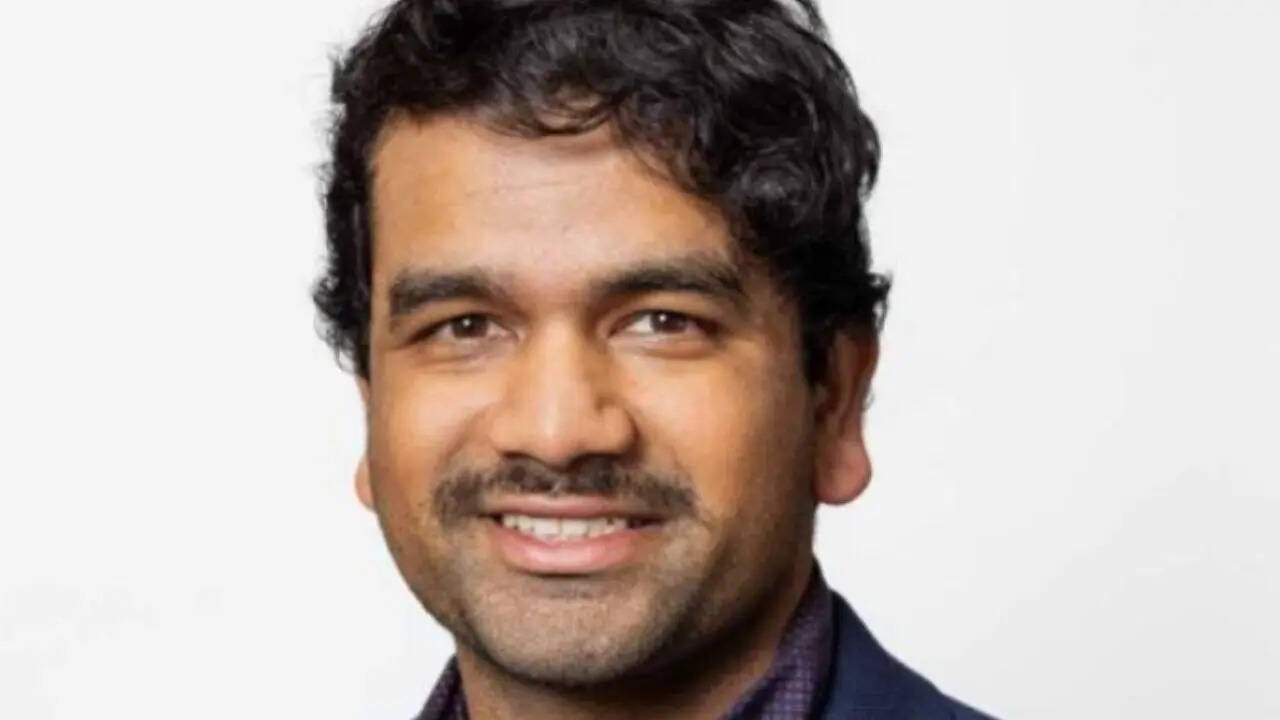
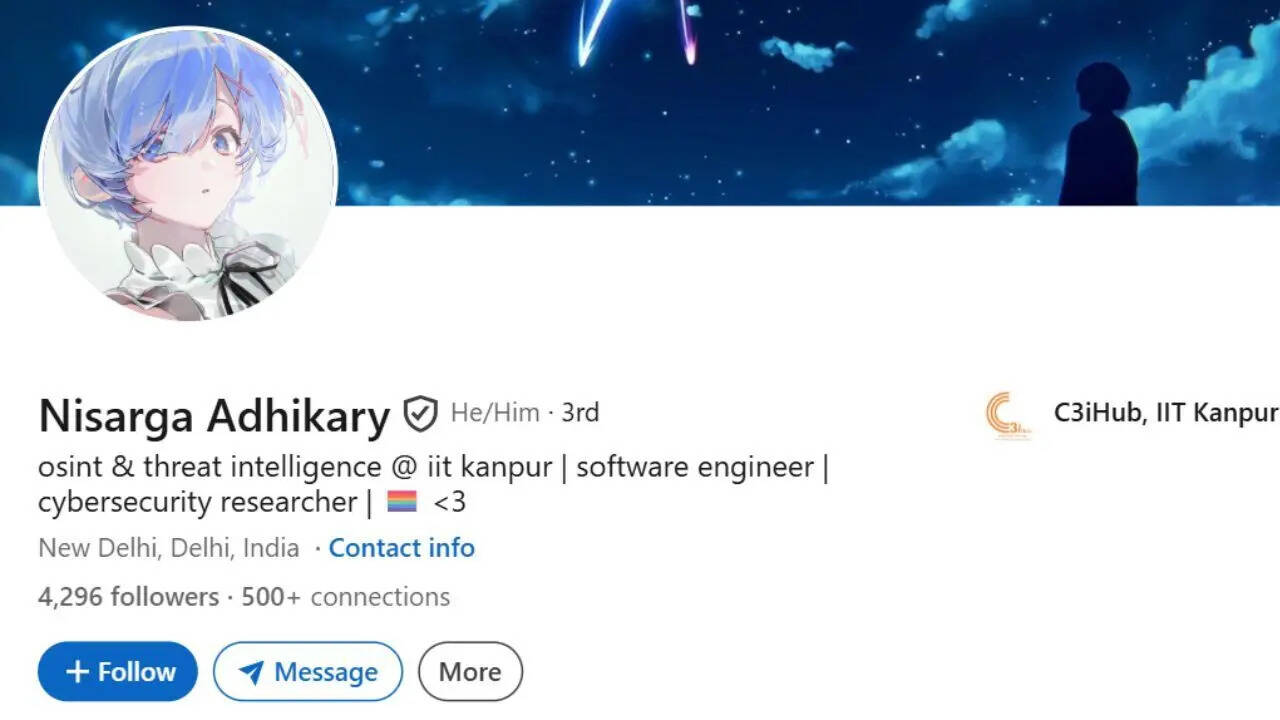
Nineteen-year-old ethical hacker Nisarga Adhikary, who recently highlighted security vulnerabilities in CBSE's digital systems, has been appointed as an OSINT and Threat Intelligence Engineer at IIT Kanpur's C3iHub. Adhikary's role will focus on identifying and analyzing cyber threats using publicly available information, following his public allegations about CBSE's data accessibility.
Investigators are set to miss the one-year deadline for the Air India Boeing 787 crash report, with critical engine analysis still underway in the US. A preliminary report indicated fuel control switches moved to 'CUTOFF' after takeoff, but confusion remains regarding pilot action or technical malfunction.
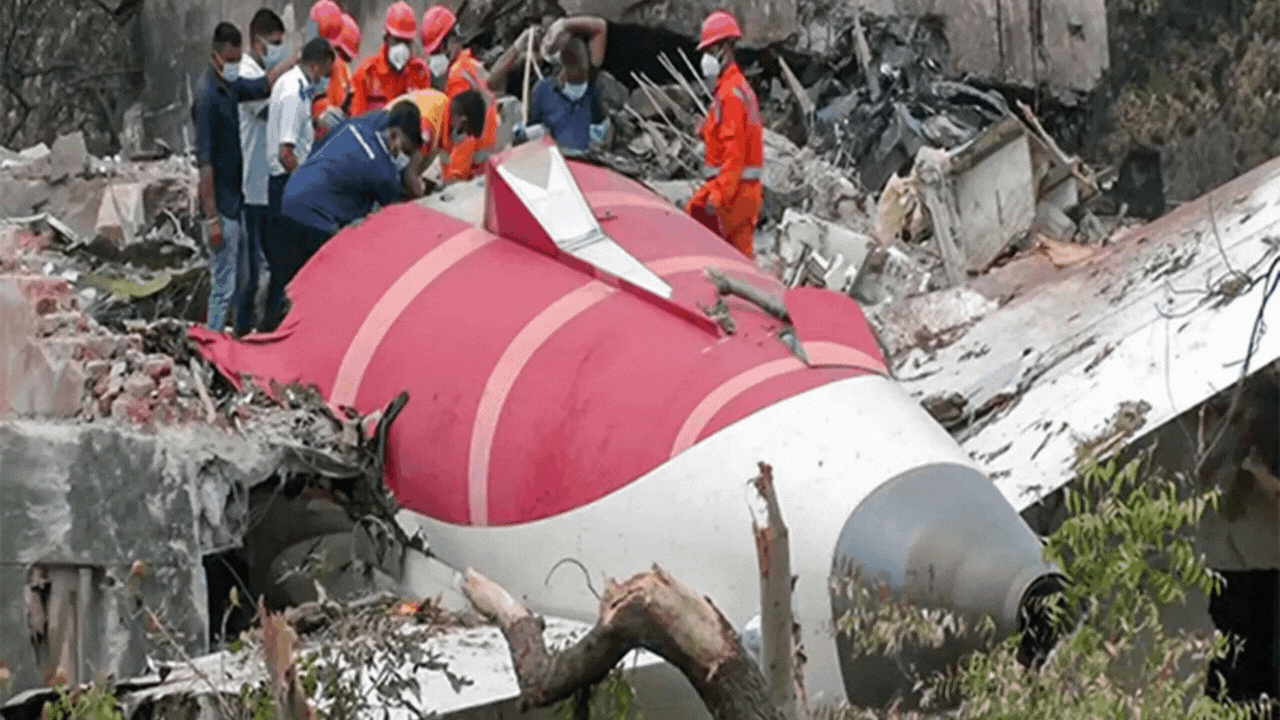
The Boeing 787 Dreamliner, operating as Air India flight AI-171 from Ahmedabad to London Gatwick, crashed into a buildings of a medical college.
This week, Nisarg Adhikary was appointed Open-Source Intelligence (OSINT) and threat intelligence engineer at IIT Kanpur’s technology innovation hub C3iHub.
New Delhi: A pilot who had been roped in as a consultant to assist the investigation into the Ahmedabad aircraft crash has stepped away from the inquiry following disagreements over the probe process, people close to him told ET.R S Sandhu, a veteran pilot brought in as a subject matter expert by the investigating panel, is no longer part of the team after recusing himself over differences, they said.Also read: Vijay Rupani's daughter accuses Air India of pressuring crash victims' families to waive legal rightsWhile he has not submitted a resignation letter, they said Sandhu has not attended any meetings since January and does not intend to participate in future proceedings.The Press Information Bureau (PIB) and GVG Yugandhar, director general of the Aircraft Accident Investigation Bureau (AAIB)-which is leading the probe into the Boeing 787 crash on June 12 last year that killed 260 people - did not respond to queries on the matter despite repeated reminders.Sandhu declined to comment.A senior government official, however, disputed the suggestion, saying subject matter experts are not required to be part of the entire probe process and are called in as and when required. "When the investigator-in-charge feels it necessary, he will seek inputs from the expert. Sandhu's inputs were recorded," he said.Subject matter experts are not part of the main panel but provide inputs in their areas of expertise. As part of the inquiry process, the AAIB had roped in experienced pilots, engineers, aviation medicine specialists, psychologists and flight recorder specialists.Also read: Air India denies pressuring AI-171 victims' families to sign compensation waiver, says no deadline to accept settlementSandhu was brought in to consult the flight operations group because of his experience operating the Boeing 787. The flight operations group is responsible for collecting facts and examining the actions of the pilots.The alleged differences underscore the complexity of the investigation into one of the deadliest aviation crashes. While a preliminary report published last year did not explicitly say so, it indicated the crash may have been the result of human action.It said that seconds after take-off, the fuel control switches on both engines briefly moved from 'run' to 'cut off', severing fuel supply and causing a loss of power.These switches control fuel flow to the engines. On modern aircraft such as the Boeing 787, they are fitted with safeguards, including a metal lock and a surrounding guard, to prevent accidental shut-off.However, the findings have drawn severe criticism from unions and advocacy groups representing pilots in India. The Federation of Indian Pilots, which counts 5,000 pilots among its members, and the father of the crashed flight's captain have petitioned the Supreme Court for a court-led investigation. Sandhu, incidentally, has been closely associated with pilot unions during his time at Air India.The AAIB is unlikely to publish a final report within a year of the accident but will release an interim report on June 12.
India's External Affairs Ministry has condemned an attack on the commercial vessel Settebello off Oman's coast, with 21 of 24 Indian crew rescued and three still missing. The Palau-flagged tanker reported an engine room fire. This follows a similar incident last week where 24 Indian sailors aboard the "Marivex" were rescued by the Omani military.
David Sacks, former AI Czar, criticizes AI firm Anthropic. He calls their warnings about AI dangers fear-mongering. Sacks points to Anthropic hiring software engineers at high salaries while claiming AI will eliminate these jobs. Anthropic's research paper highlights recursive self-improvement as an existential threat. The company's AI assistant, Claude, now writes over 80% of its code.

Altekar is a highly accomplished perception engineer with expertise in the field of autonomous systems
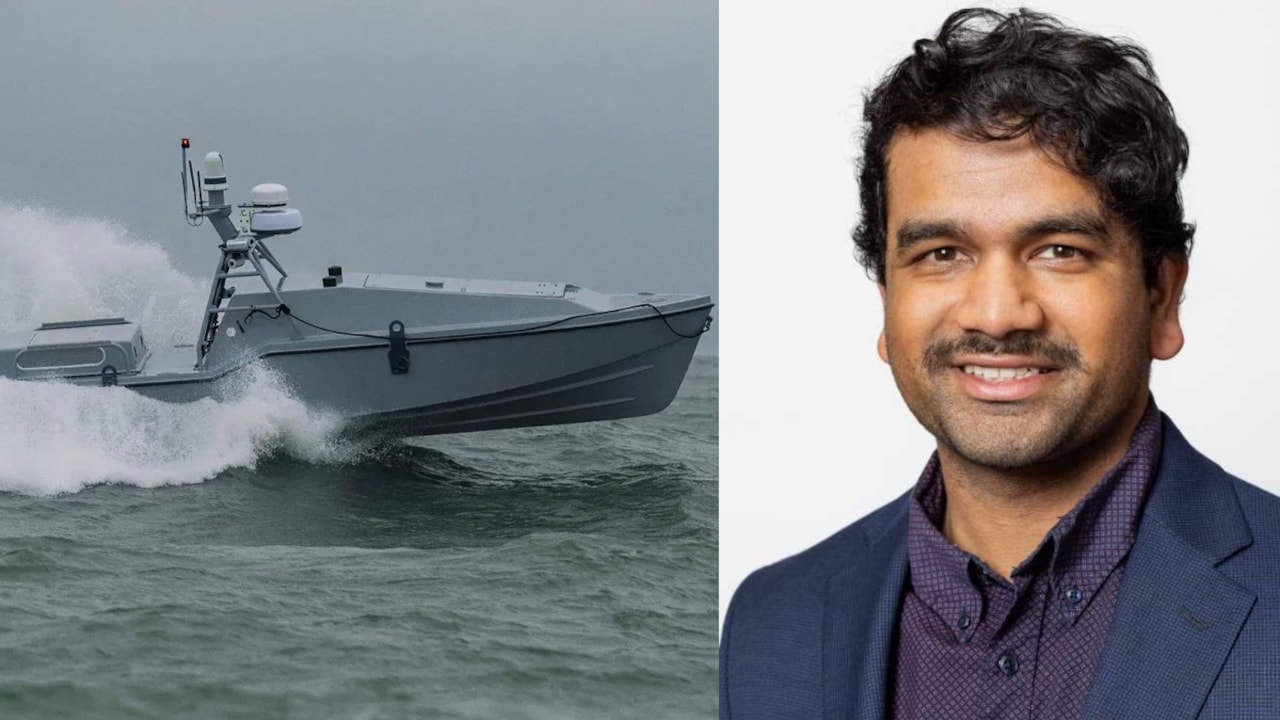
An autonomous drone boat executed a heroic rescue of two US Army Apache helicopter crew members. This revolutionary craft, called Corsair, was designed by Texas-based Saronic Technologies, co-founded by Indian-American Vibhav Altekar.
Tamil Nadu's Directorate of Technical Education has released the TNEA Random Number 2026 today, June 10. This unique 10-digit number, generated by the system, serves as a crucial tie-breaker for engineering admissions when candidates have identical marks. Applicants can retrieve their random number via the official TNEA admission portal login
Shares of Afcons Infrastructure rallied as much as 9.4% to their day’s high of Rs 346.30 on the BSE on Wednesday after the company announced that it had received a letter of award from Vadhvan Port Project Ltd (VPPL) for the construction of a 10.14-km breakwater at the upcoming Vadhvan Port in Maharashtra.According to the company, the contract is valued at Rs 5,301 crore. Upon completion, the structure is expected to become the second-longest breakwater in the world. The project involves the construction of a 10.14-km-long breakwater as part of the Vadhvan Port development. Afcons said it received the Letter of Award on June 10.In a regulatory communication, the company highlighted its experience in executing marine infrastructure projects in India and overseas. Afcons has undertaken several marine projects internationally, including the Bulk Jetty at Port of Sohar in Oman, the New Owendo International Port in Gabon, and the Sulphur Jetty project in Kuwait.The company stated that the Bulk Jetty at Port of Sohar is located at one of the world's deepest ports. It also noted that the New Owendo International Port in Gabon was completed in 18 months and was recognised as the fastest completed port project in West Africa. The Sulphur Jetty project in Kuwait involved the execution of an EPC berth facility, including trestles, equipment and structural works.Afcons further said that it has been ranked by Engineering News-Record (ENR), USA, as the world's eighth-largest marine and port facilities contractor.The Vadhvan Port project is envisaged as India's largest public port and one of the world's largest container ports. According to the company, the port is expected to have a handling capacity of 23.2 million TEUs.Afcons Infra Q4 Afcons reported a net loss of Rs 89 crore in the fourth quarter of FY26 against a profit after tax of Rs 111 crore in the same period last year. The company said net profit was impacted by macroeconomic uncertainties and certain one-time factors.The company’s revenue from operations also dipped by 18% to Rs 2,777 crore from Rs 3,387 crore posted in the corresponding quarter of the previous fiscal year, Afcons said in its investor presentation.EBITDA came in at Rs 170 crore, marking a 59% drop from Rs 415 crore posted in the year-ago period. Margins also witnessed a sharp fall, down 6.1% from 12.2% in Q4FY25. For the full year, the company’s order book stood at Rs 32,496 crore, ‘ensuring visibility on its future revenue and profitability’, it said. Despite Wednesday’s surge, Afcons’ share price is down 12% in 2026 and about 23% in the last 1 year. (Disclaimer: Recommendations, suggestions, views and opinions given by the experts are their own. These do not represent the views of The Economic Times)