이란 공격 받았던 걸프국들, MOU에 관련 언급 없자 ‘실망’
AI Summary
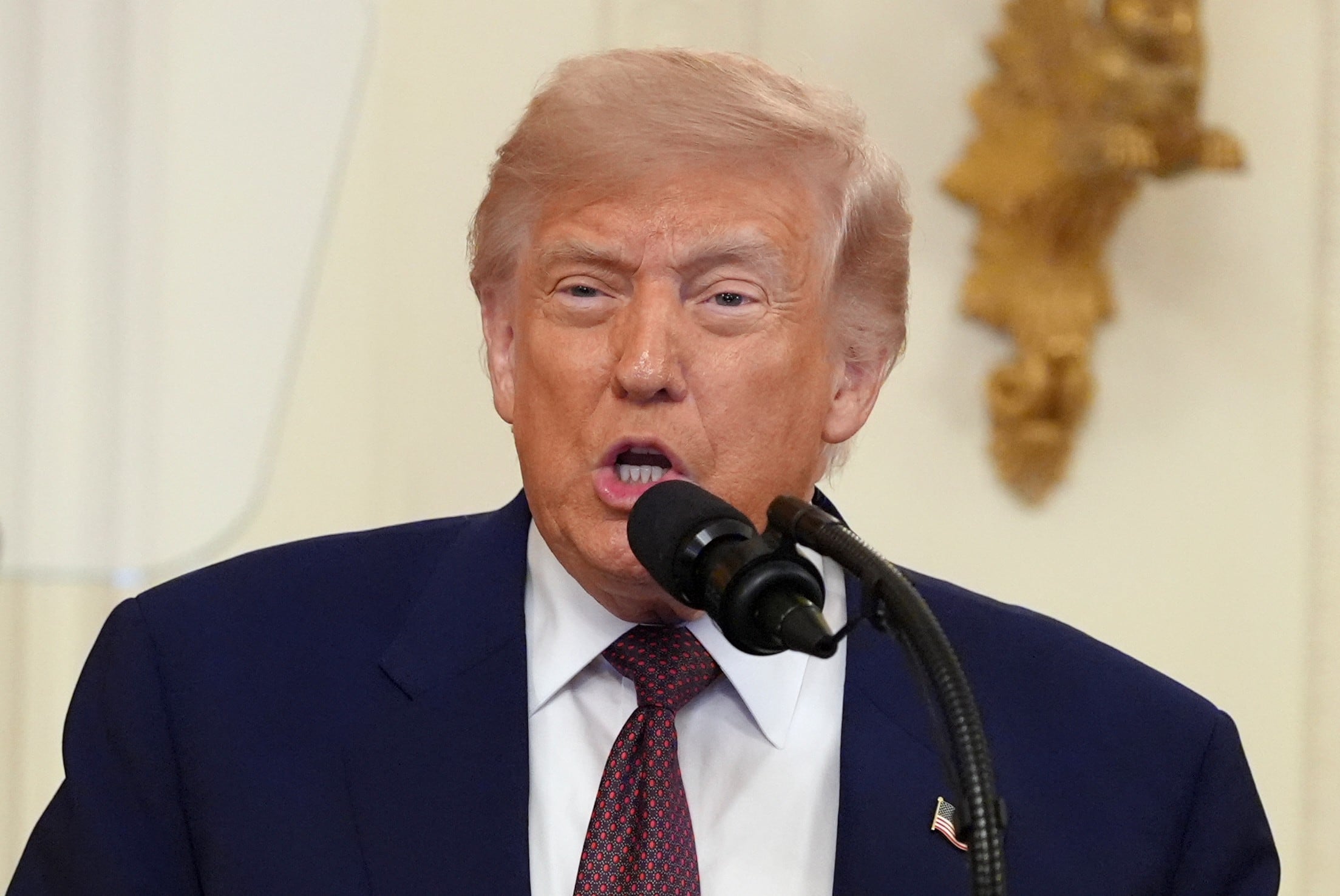
The United States and Iran signed a peace memorandum of understanding on June 17, 2026, advancing the signing by two days from the originally planned date. Trump signed the agreement at France's Versailles Palace during a G7 summit, with the accord requiring Iran to immediately reopen the Hormuz Strait and abandon nuclear weapons in exchange for sanctions relief and economic assistance. Global financial markets responded positively, particularly in Asia, though Iran will charge transit fees for Hormuz passage after a 60-day exemption period.
Progressive: Progressive-leaning outlets portrayed the accord as a historic diplomatic achievement and evidence of Iran's strength, emphasizing the substantial economic windfall from lifting decades of international sanctions and Iran's successful negotiation of comprehensive nuclear restrictions alongside guarantees for Lebanese security. However, they acknowledged skepticism about whether average Iranians would immediately benefit and warned that entrenched corruption could impede reconstruction.
Moderate: Centrist outlets emphasized market reactions—Asian stock indices surging with Japan's benchmark reaching record highs—alongside procedural details such as the ceremonial signing with French President Macron attending and international military preparations for Hormuz Strait operations.
Conservative: Conservative-leaning outlets focused on practical commercial concerns, emphasizing that Iran will impose transit tolls on international shipping using the Hormuz Strait after a 60-day grace period.
미국과 이란이 체결한 종전 양해각서(MOU)에 이란의 미사일·드론 문제가 포함되지 않으면서, 전쟁 초기 이란의 무차별적인 보복 공격에 시달렸던 걸프 국가들의 실망감이 커지고 있다.
18일(현지 시각) 뉴욕타임스(NYT)는 전문가들을 인용해 “미국과 이란의 예비 평화 합의에서 이란의 미사일·드론 문제가 빠지면서, 미국을 안보 보증자로 계속 신뢰할 수 있는지 ...
이 뉴스, 독자들은 어떻게 느꼈나요?
첫 반응을 남겨보세요로그인하면 감정 반응에 참여할 수 있어요.