Putting survivors at the centre of gender-based violence services
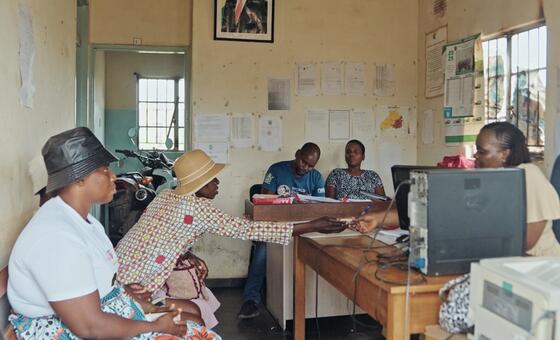
Putting survivors at the centre of gender-based violence services
Reaching out for help can be an enormous step for survivors of gender-based violence (GBV), and what happens after walking through the doors of a support service can shape the path towards recovery and safety
“More than anything, they want to be believed,” said Erin Gerber, a GBV response specialist with the UN reproductive and sexual health agency, UNFPA, based in Nairobi.
“That was something that came up over and over again.”
Acknowledging survivors’ experiences and ensuring they receive safe and quality support is at the heart of Women at the Centre, UNFPA’s first global GBV case management programme.
Currently implemented in Azerbaijan, El Salvador, Indonesia, Madagascar and Zimbabwe, it aims to strengthen the services survivors receive while building a consistent and professional social service workforce.
Reaching those left out
The programme began by examining existing services and identifying barriers to accessing them.
Assessments pointed to seven marginalized groups that have historically faced discrimination or exclusion, including adolescent girls, older women, LGBTIQ+ survivors, persons with disabilities, people of African descent, Indigenous People, and sex workers.
Across those groups, accessibility, institutional violence, and not being believed were repeated concerns.
For survivors who do reach services, Ms. Gerber explained that quality care begins with seemingly simple things: being welcomed, communicating in their own language, and knowing their information will remain confidential.
Survivors also need to feel physically and emotionally safe, have their decisions respected and, crucially, be genuinely listened to.
Building a workforce survivors can rely on
A central part of Women at the Centre is strengthening and professionalizing the people providing this support. Investment in GBV response has traditionally focused on health and legal services, while the social service workforce has received less recognition, Ms. Gerber said.
The programme is strengthening training and developing accreditation pathways for caseworkers, helping to build a workforce equipped to provide consistent support and connect survivors with the services they need.
For Ms. Gerber, strengthening the workforce ultimately means ensuring survivors can rely on the care they receive.
“A survivor can get the same quality of care at any time, at any location, whenever they need it. That’s what our goal is,” she said.
Adapting support to communities
While the principles of quality case management remain the same, support must also reflect the communities being served.
In rural Zimbabwe, Ms. Gerber saw how mobile one-stop crisis centres are bringing services closer to women who previously struggled to reach them. Moving between communities, the centres provide information about available support while also helping people identify forms of gender-based violence that may have become normalized or gone unrecognized.
In El Salvador, Women at the Centre works with older women to reflect on their own experiences of violence and how these shape their responses to others. They are then trained to raise awareness, respond to disclosures and connect survivors with support, linking prevention and response within their communities.
The approach differs in each context, but the goal remains the same: making quality support more accessible to survivors.
Eye on the future
For Ms. Gerber, success ultimately comes down to what happens when a survivor seeks help.
“My hope would be that you're walking into a facility and you are seeing an accurate representation of case workers reflected in the survivors and communities who need the services most.”
Where a survivor lives or who they are should not determine the quality of care available to them. It is an ambitious vision, Ms. Gerber acknowledged, but one with a simple goal of “more services for more people who haven’t had them before.”
공식 발표 ↔ 매체 보도
보도 없음
보도 없음
보도 없음