The Latest: US and Iran sign initial deal to end war, ease sanctions and open strait
AI Summary
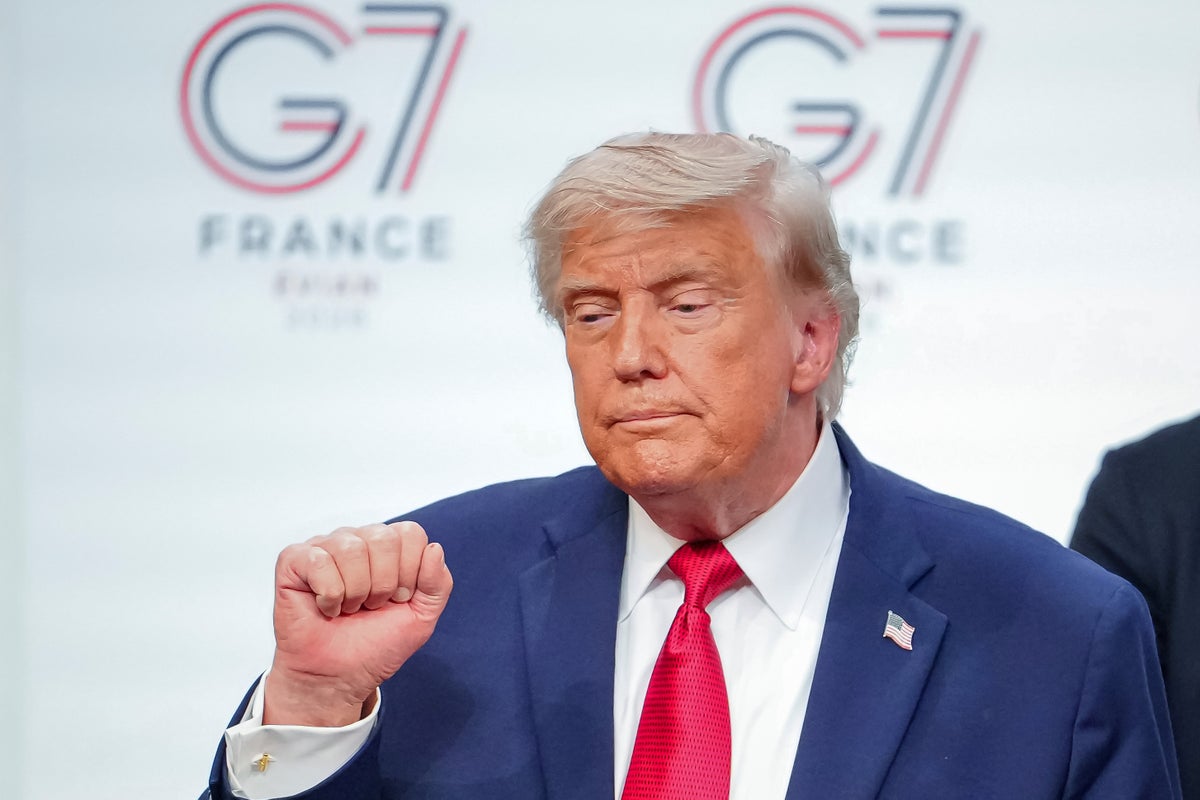
Trump announced a memorandum of understanding with Iran at the G7 summit, calling it strong but declining to release the full text or clarify reports of a $300 billion investment fund. While some Republicans and observers expressed skepticism about the undisclosed terms, Trump defended the accord against comparisons to Obama's 2015 nuclear deal. Negotiations are set to continue over a 60-day period.
Progressive: Progressive-leaning outlets emphasize the secrecy surrounding the deal's terms and highlight Republican skepticism about the agreement. They underscore the contradiction between Trump's current defense of an Iran accord and his 2015 criticism of Obama's nuclear deal, questioning the agreement's transparency and validity.
Moderate: Centrist outlets focus on the incomplete and evolving nature of the agreement, noting that the full text remains unpublished and key details like the reported $300 billion investment fund lack confirmation. They report the accord faces criticism from multiple political perspectives and remains under active negotiation.
Conservative: Conservative-leaning outlets present divided assessments: some praise Trump's characterization of the deal as strong and highlight NATO Secretary General endorsement, while others point to leaked drafts suggesting Iran secured substantial concessions, and note Trump's own hesitation about finalizing the agreement by the scheduled deadline.
According to details released by both countries, President Donald Trump has signed an agreement with Iran that calls for Tehran to dilute its stockpile of highly enriched uranium and waives U.S.-backed sanctions on the country, immediately allowing Iran to sell its oil freely in a major concession from Washington ...
이 뉴스, 독자들은 어떻게 느꼈나요?
첫 반응을 남겨보세요로그인하면 감정 반응에 참여할 수 있어요.