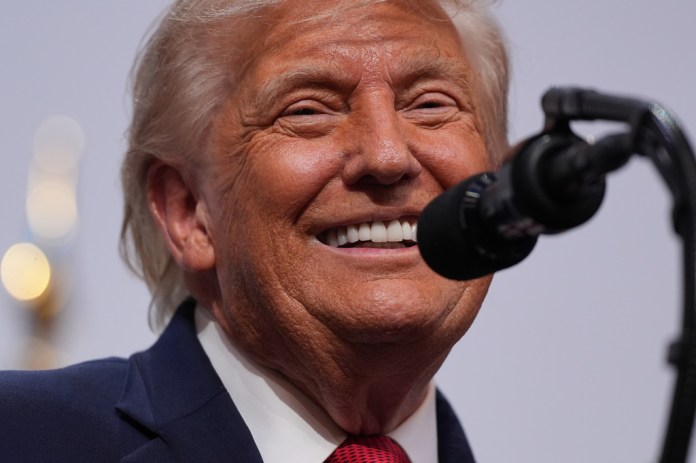
Trump jokes that Vance will take blame if Iran peace deal falls apart: ‘I like that idea’
AI Summary
President Trump and Iran have reached a preliminary framework agreement to end their military conflict, set for formal signing in Switzerland on Friday. The accord includes sanctions relief, financial assistance totaling $300 billion, and a 60-day window for negotiating a comprehensive peace and nuclear arrangement. However, the undisclosed terms combined with Trump's contradictory signals—simultaneously promoting the deal while threatening to resume military action if dissatisfied—have generated controversy, particularly among conservative observers who question whether the agreement actually achieves Trump's stated military objectives.
Progressive: Progressive-leaning outlets emphasize the importance of transparency and call for full public disclosure of the agreement's terms, framing secrecy around major diplomatic agreements as incompatible with democratic accountability.
Moderate: Centrist outlets highlight the lack of publicly available information about the agreement's specifics and spotlight Trump's contradictory messaging—backing the deal while threatening renewed military action—while questioning the gap between White House claims of achieved military objectives and actual outcomes.
Conservative: Conservative-leaning outlets express skepticism that the agreement secures Trump's declared war objectives, characterize key provisions as major concessions to Iran, criticize the $300 billion financial assistance component, and frame the deal as appeasement that surrenders negotiating leverage.
President Donald Trump closed a press conference at the G7 summit on Wednesday joking that he liked the idea of Vice President JD Vance receiving the blame if a nuclear deal with Iran fails.
Fox News’s Peter Doocy asked Trump whether sending Vance to Geneva, Switzerland, to sign the memorandum of understanding on Friday gives […] ...
이 뉴스, 독자들은 어떻게 느꼈나요?
첫 반응을 남겨보세요로그인하면 감정 반응에 참여할 수 있어요.