DOJ drops New York Times subpoenas over Air Force 1 reports
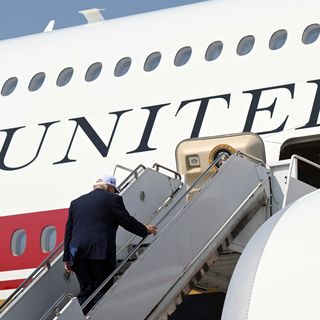
The U.S. government will withdraw subpoenas of New York Times journalists over their reporting on President Trump's Qatari-gifted jet, the Department of Justice said in a Thursday court hearing.
Why it matters: The Trump administration backed down in its battle with the media on the eve of the rescheduled White House Correspondents' Association Dinner, where the president is expected to speak.
Driving the news: U.S. District Judge Arun Subramanian reportedly grilled the Trump administration in a Thursday hearing over the subpoenas, which the Times' counsel had blasted as harmful and chilling.
A DOJ spokesperson said Subramanian "threatened our attorneys with sanctions unless subpoenas were withdrawn, and blocked us from presenting the meticulous process of this investigation."
The spokesperson added that the investigation "remains ongoing, and we will pursue justice against those threatening national security by leaking classified information, a serious federal crime."
Catch up quick: The administration issued the subpoenas earlier this month, seeking grand jury testimony, with agents delivering the orders to the reporters' homes, per the Times.
The reporters shared bylines across articles comparing the security measures on the luxury Boeing 747-8 to those on the old Air Force One, citing people briefed on the retrofitting of the plane and the president's travel plans.
The Times moved to quash the subpoenas soon after, calling them a "brazen effort to intimidate the press" that carried "glaring indications of bad faith."
The outlet's lawyers further argued the government did not overcome the legal threshold to compel reporters to disclose confidential sources.
The other side: The government had previously asked Subramanian to hold the subpoenas for two weeks while it requested that the Times preserve relevant records, but it said it would not seek testimony or document production during that period.
Arguing against the Times' effort to kill the subpoenas, the government told the judge that the paper's reporting "presented a substantial national security concern, including because they indicated potential leaks of classified or national defense information."
The government's filing also said it was still pursuing leads, "some of which may bear on the scope of the subpoenas" and might "be relevant to this Court's analysis of whether the reporter's privilege applies."
Friction point: The Times responded that the "time for pursuing alternative investigative steps was before the Government sent armed agents to the Journalists' homes."
Go deeper: FBI searches WaPo reporter's home and devices
Editor's note: This story has been updated with additional details throughout. ...
이 뉴스, 어떠셨어요?
탭 한 번으로 반응 · 로그인 불필요
공식 발표 ↔ 진영별 보도
+6
+9
+3