Drone strike on youth soccer bus pushes both Minsk and exiled Belarusian opposition to issue the same warning: Don’t go to Russia
AI Summary
The G7 pledged enhanced military support and new sanctions against Russia at a summit marked by surprising United States backing of the coordinated measures. Russia responded with ballistic missile strikes against Kyiv while simultaneously accusing Ukraine of attacking a bus carrying Belarusian schoolchildren—allegations that Ukrainian officials firmly rejected as false claims.
Moderate: Moderate outlets present balanced coverage of both the G7's pledges and Russia's immediate escalation through missile strikes, emphasizing Ukrainian denials of the bus-attack accusations while reporting on the pivotal role of U.S. participation in the Western response.
Conservative: Conservative-leaning outlets frame the G7 summit as a strategic success demonstrating unified Western pressure on Russia, highlighting Ukraine's military effectiveness and portraying the coordinated sanctions response as evidence of strengthened resolve.
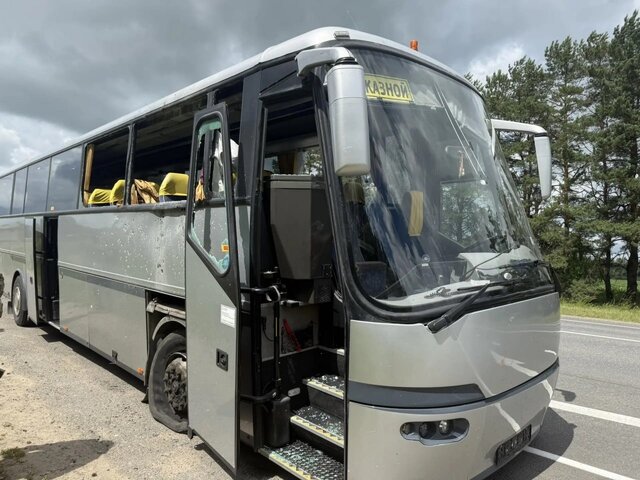
On June 17, a drone struck a passenger bus in Russia’s Bryansk region, which borders Ukraine.
There were 44 people on board, including 28 students at a sports school in the Belarusian city of Rechitsa, who were traveling to the Black Sea resort of Gelendzhik for vacation.
A woman accompanying the team was killed and six more people were injured, including four minors.
Russian officials blamed the attack on “Ukrainian terrorists,” while Ukrainian intelligence services called it a “provocation” by Moscow.
The Belarusian government and opposition reached diametrically opposite conclusions about the incident, but agreed on one thing: Don’t go to Russia.
Here’s a brief rundown of each side’s position. ...
이 뉴스, 독자들은 어떻게 느꼈나요?
첫 반응을 남겨보세요로그인하면 감정 반응에 참여할 수 있어요.