Over 200 trips to the moon and more : What Elon Musk's trillion could mean:
AI Summary
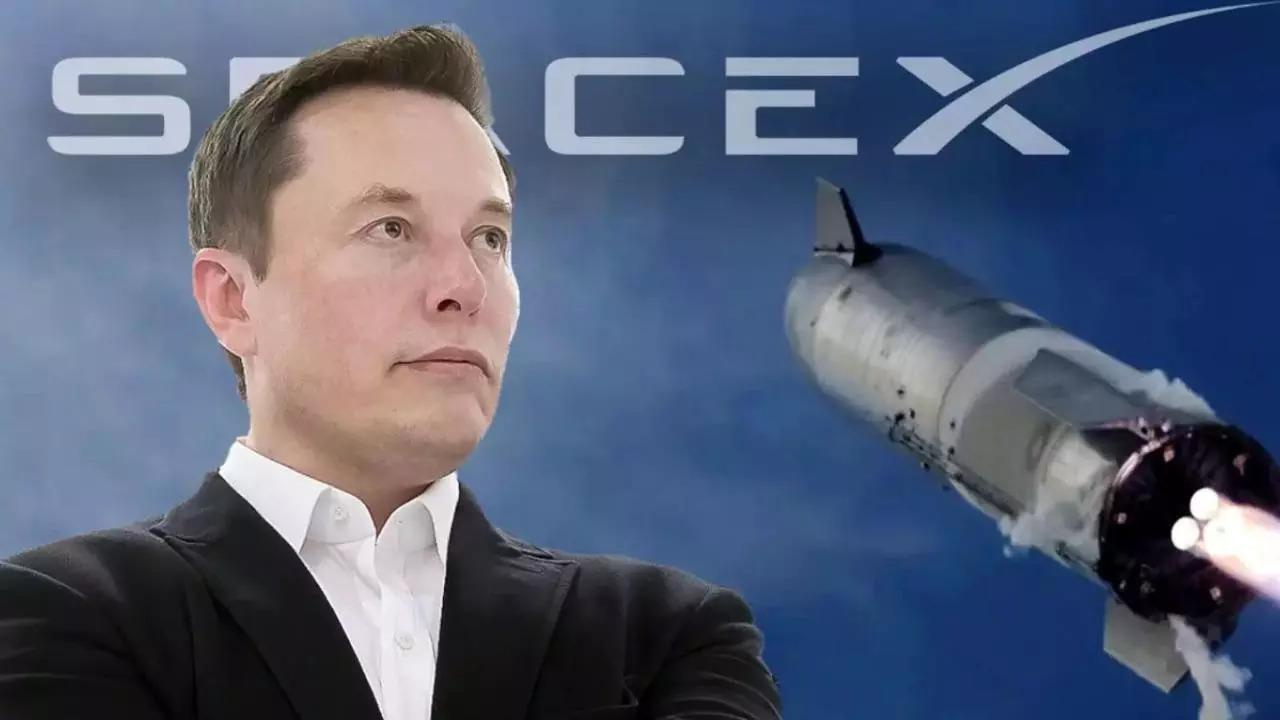
SpaceX is launching the largest initial public offering in corporate history on Friday, raising approximately $75 billion with a company valuation near $1.8 trillion. The public debut elevates founder Elon Musk to trillionaire status globally, despite the aerospace company currently operating at a loss relative to its market value. The company's future depends heavily on successful execution of its Starship rocket program, while Chief Operating Officer Gwynne Shotwell has been critical in building the operational capabilities that enable SpaceX's growth.
Progressive: Progressive-leaning outlets emphasize SpaceX's technical innovations in reducing launch costs and increasing operational cadence, framing the IPO as a historic milestone in commercial spaceflight. They focus on the scale of wealth accumulation and the company's technological achievements rather than scrutinizing valuation fundamentals.
Moderate: Centrist outlets highlight the tension between SpaceX's current operating losses and its enormous market valuation, comparing investor behavior to Tesla's personality-driven trading patterns. They emphasize execution risks around Starship delivery and underscore Gwynne Shotwell's importance in mitigating key-person dependency risk.
Elon Musk's potential trillion-dollar fortune is a monumental sum, dwarfing national economies and astronomical distances.
This unprecedented wealth, if realized, would be enough to buy millions of homes or fuel the entire US for over a year, highlighting a growing concern over global wealth inequality. ...
이 뉴스, 독자들은 어떻게 느꼈나요?
첫 반응을 남겨보세요로그인하면 감정 반응에 참여할 수 있어요.