US-Iran peace deal inches closer as PM Shehbaz says finalisation expected within a day
AI Summary
Pakistan's mediation has produced a finalized peace agreement between the United States and Iran, scheduled for electronic execution within 24 hours. The framework addresses Iran's primary demands: removal of trade restrictions, maritime access arrangements centered on the Strait of Hormuz, and inclusion of Lebanon in the accord.
Progressive: Progressive-leaning outlets emphasize Pakistan's diplomatic achievement in sustaining dialogue between profoundly antagonistic parties, treating successful mediation itself as a notable geopolitical accomplishment.
Conservative: Conservative-leaning outlets focus on Iran's specific negotiated gains—economic and maritime concessions—and the imminent signing of the accord, presenting concrete developments moving toward resolution.
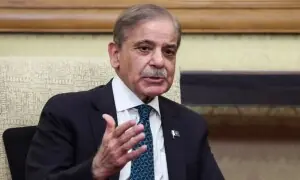
Prime Minister Shehbaz Sharif on Saturday said that the peace deal between Iran and the United States is expected to be finalised in the next 24 hours.
A day prior, PM Shehbaz said that a “final, agreed-upon” text of the peace deal between Tehran and Washington had been reached, adding that Islamabad was working “closely” with both sides to finalise the next steps of the process.
“We are closer to a peace deal than ever before,” the premier said on X, adding that Pakistan is preparing for the electronic signing of the peace deal, and technical-level talks would follow afterwards.
“We would like to thank [the] United States of America and Islamic Republic of Iran for their ongoing commitment during the negotiations, and we extend our sincere appreciation to our brothers in the region for their support,” he wrote.
“We are confident that this historic peace deal will form a strong foundation for lasting peace.”
Yesterday, Iranian Foreign Minister Abbas Araghchi made similar comments, calling the potential deal the “Islamabad memorandum of understanding”.
“The Islamabad Memorandum of Understanding has never been closer,” he wrote on X, urging the press to refrain from speculating until it is finalised.
“In line with our responsible and transparent approach, all details will be shared with the public in due course.”
On Wednesday night, it looked like war had resumed, with Washington and Tehran trading strikes after an American Apache attack helicopter went down near the Strait of Hormuz.
The two countries traded strikes again on Thursday, with Trump warning that he had planned “bigger” bombing raids today.
However, he cancelled the strikes following discussions with the highest levels of leadership in Tehran.
“Discussions and final points have been, in both concept and great detail, approved by all parties involved, including the United States, Israel, Saudi Arabia, UAE, Qatar, Turkiye, Pakistan, Bahrain, Kuwait, Jordan, Egypt, and others,” he wrote on Truth Social.
The war started on February 28 with joint US-Israeli strikes on Iran, with both countries trading attacks until a ceasefire was agreed upon in April, with Pakistan acting as a mediator. A round of talks was held in Islamabad that month, though no deal was reached after 21 hours of negotiations. ...
이 뉴스, 독자들은 어떻게 느꼈나요?
첫 반응을 남겨보세요로그인하면 감정 반응에 참여할 수 있어요.