Nahost: Israel hebt kriegsbedingte Einschränkungen an Grenze zu Libanon auf
AI Summary
The United States and Iran have opened diplomatic talks in Switzerland to negotiate a permanent peace agreement and address Iran's nuclear program, with US Vice President JD Vance attending. The negotiations are overshadowed by escalating military and economic pressure: Iran announced a blockade of the Strait of Hormus, justifying it by citing continuing Israeli military operations in southern Lebanon, while President Trump threatened to impose tolls on shipping through the strait if the talks fail. Simultaneously, Israel ordered its military to halt operations in Lebanon, as both sides employ pressure tactics at the beginning of substantive negotiations.
Progressive: Progressive-leaning outlets focus on the diplomatic process itself and discussion of ceasefire in Lebanon, emphasizing the talks beginning in Switzerland and the goal of establishing lasting peace, while giving less prominence to military escalation.
Moderate: Centrist outlets report the escalatory moves by both sides—Iran's strait closure and Trump's toll threat—as parallel pressure tactics, presenting them within the context of serious negotiations while noting the fragile ceasefire in Lebanon as a complicating factor.
Conservative: Conservative-leaning outlets highlight Iran's hostility, particularly the Strait of Hormus closure, as an aggressive move undermining peace efforts, and frame Trump's toll threat as a necessary response to Iranian provocation while emphasizing the strategic importance of maintaining freedom of navigation.
이 기사, 관심 있으세요?
한 번의 탭으로 관심을 남겨요 · 로그인 불필요
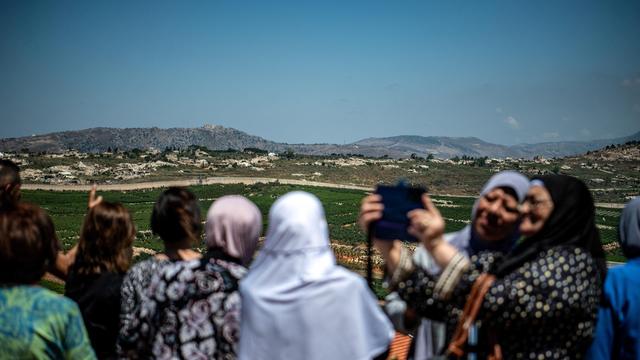
Nach einer neuen Waffenruhe mit der Hisbollah beurteilt Israel die Sicherheitslage an seiner nördlichen Grenze neu.
Die Armee soll aber den Südlibanon besetzt halten. ...
이 뉴스, 독자들은 어떻게 느꼈나요?
첫 반응을 남겨보세요로그인하면 감정 반응에 참여할 수 있어요.