NASA Seeks Volunteers for Yearlong Simulated Mission to Moon, Mars
이 뉴스, 어떠셨어요?
한 번의 탭으로 반응을 남겨요 · 로그인 불필요
NASA Seeks Volunteers for Yearlong Simulated Mission to Moon, Mars
NASA is recruiting participants for the Moon and Mars Exploration Analog mission, set to begin no earlier than August 2027 at the agency’s Johnson Space Center in Houston. For one year, research volunteers will live and work in isolation and confinement while simulating interplanetary transit and planetary surface operations, including simulated spacewalks.
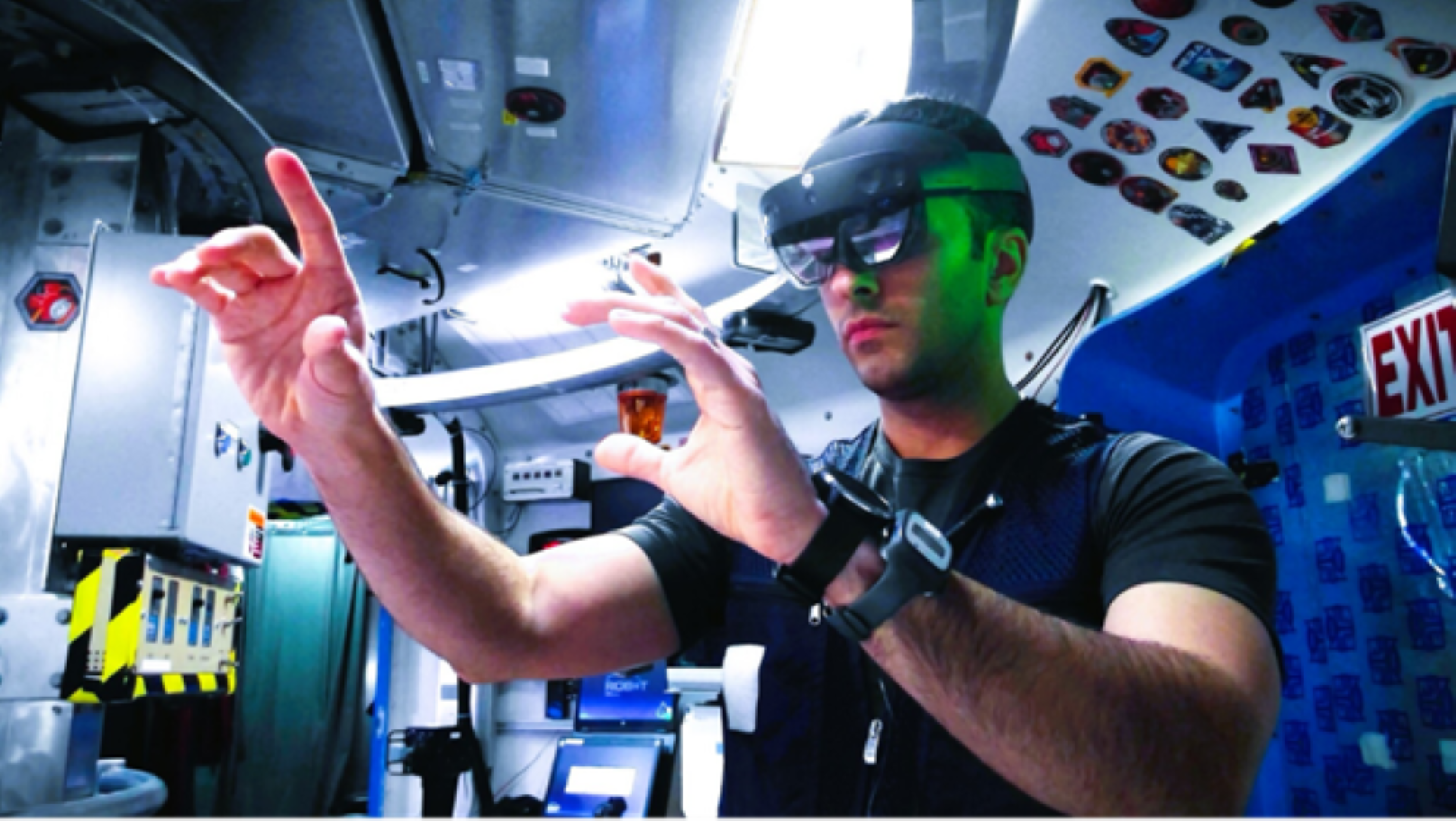
This mission is the first in a ground-based environment that will simulate multiple parts of a Moon or Mars mission, combining elements of NASA’s HERA (Human Exploration Research Analog) and the CHAPEA (Crew Health and Performance Exploration Analog) missions into a single, integrated campaign. Crew members will use the habitat previously used for HERA at NASA Johnson as their simulated transit spacecraft, operating in a confined, isolated environment that mirrors deep‑space travel. They then will shift to the surface habitat phase, where researchers will study crew performance under the resource limits and mission demands crew members could experience on another planetary surface. Together, the two facilities provide a streamlined way to evaluate how astronauts adapt across the full range of potential Moon and Mars mission scenarios.
The mission will consist of multiple platforms that simulate different aspects of a Mars journey over a yearlong mission. The transit vehicle, adapted from HERA, is a two-story, four-port habitat that simulates travel from Earth. The facility includes a workspace, living area, sleeping quarters, and a hygiene module.
The surface habitat, currently used by second CHAPEA mission, is a one-story, 3D-printed facility that simulates living on another surface. It includes private crew quarters, a communal workspace, recreation room, crop cultivation area, medical room, food preparation area, airlock, two bathrooms, and a sandbox for simulated walks on a planetary surface.
The selectees may also use a rover module to simulate travel to exploration sites located beyond the main habitat. It includes two driver seats, two beds, a non-flushable toilet, and a small samples airlock.
Mission volunteers will help NASA assess and validate hardware, technologies, protocols, requirements, and other systems designed to support crew health and performance on long-duration deep space missions, all without leaving Earth.
This effort will provide valuable data for NASA’s Human Research Program, which innovates ways to keep astronauts healthy and mission-ready. The results also could inform plans for a sustained lunar presence through the agency’s Moon Base and future Artemis missions.
Who Can Apply?
Openings are available for the first Moon and Mars Exploration Analog mission. To qualify, applicants must be:
- A United States citizen or green card holder.
- Between 30 and 55 years old (candidates outside the range may be considered with additional approvals).
- No more than 74 inches tall.
- Proficient in English.
- Willing to participate in a multiday selection activity.
- Able to pass a NASA physical and psychological assessment.
Applicants also must have:
- Strong technical skills.
- No dietary restrictions.
- No history of sleepwalking or taking sleeping aids.
- Astronaut-like qualifications, such as:
- A bachelor’s degree from an accredited institution in engineering, biological science, physical science, or mathematics. Quality of academic preparation is important.
- An advanced degree in a STEM field is preferred and may be substituted for experience: a master’s degree equals one year of experience, and a doctoral degree equals three years of experience.
- Military experience may count as equivalent years of experience.
Research volunteers will be reimbursed. Some restrictions apply to NASA civil servants and contractors, and participants should contact their human resources office about their respective company’s leave policy.
Subjects per Mission: Four crew members
Mission Length: One year
Mission Date: No earlier than August 2027
Deadline: Ongoing
Ready to apply? Click here to submit your application
Questions? Email jsc-analog-application@mail.nasa.gov