Netanyahu and Trump on collision course as US, Iran agree to halt war
AI Summary
The United States and Iran have jointly announced a framework agreement to conclude their recent military conflict, with Pakistan serving as a diplomatic mediator and formal signing scheduled for mid-June. The accord's specific terms remain undisclosed, creating ambiguity about whether it addresses each side's stated priorities. The agreement is expected to have implications for global energy markets and international stability.
Progressive: Progressive-leaning outlets emphasize the lack of transparency regarding the agreement's substance and question what a prolonged conflict without clear objectives ultimately accomplished. They highlight the agreement's uncertain impact on underlying global tensions and energy dynamics.
Moderate: Centrist outlets note that Trump achieves an explicit goal of ending an unpopular military engagement, with potential positive effects on energy markets, but observe that the agreement appears to fall short of some of the administration's original stated objectives.
Conservative: Conservative-leaning outlets express skepticism about the deal's terms, with some characterizing it as potentially disadvantageous to US interests, and highlight mixed domestic reactions in Iran where opposition groups have expressed disappointment.
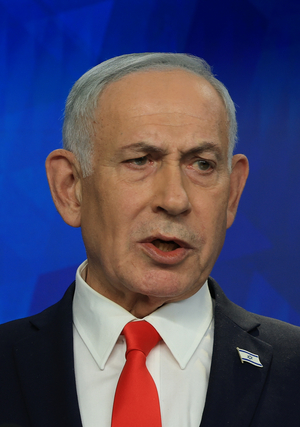
Benjamin Netanyahu bet that his joint war alongside Donald Trump would topple Iran's clerical rulers and bolster himself ahead of elections at home, as the architect of a US-Israeli alliance that would reshape the Middle East.
Instead, Israel's longest-serving prime minister is on a collision course with Trump as the US president seeks to extricate himself from the war, with both men's goals unmet and Israeli military operations tied down in Lebanon.
For now, Israeli officials have been cautiou ...
이 뉴스, 독자들은 어떻게 느꼈나요?
첫 반응을 남겨보세요로그인하면 감정 반응에 참여할 수 있어요.