Unmasking stability
THREE reports last Friday — a widening food trade gap, return to a current account deficit, and the government’s shift to daily fuel pricing amid renewed Gulf tensions — reveal how fragile Pakistan’s external sector remains, despite the recent macroeconomic stabilisation.
The headline current account deficit of just $139m in FY26 appears reassuring. But the composition of the external account tells an uncomfortable story: Pakistan avoided a large deficit not because it exported more, but because expats sent home $41.6bn. Without those remittances, the external account would have deteriorated sharply. Exports remained largely stagnant. Goods exports declined, while the modest increase in services exports merely offset part of the loss. Meanwhile, imports stayed elevated, producing a merchandise trade deficit exceeding $35bn.
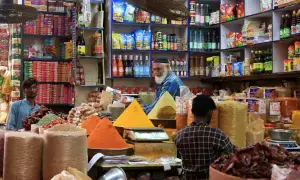
The deterioration in agricultural trade is particularly worrying. Pakistan, an agrarian economy, saw food imports rise nearly 12pc to over $9bn while raw food exports plunged almost 30pc. Rice exports fell sharply. Vegetable exports collapsed by more than half, reflecting the disruption of trade with Afghanistan, once a major regional market. Pakistan was also forced to import unprecedented quantities of sugar after exporting the commodity only months earlier. Edible oil imports continued to rise.
Besides exposing structural weaknesses in agricultural planning, export diversification and food security, these figures also highlight the costs of inconsistent policy decisions that alternately encourage exports and imports of the same commodity under the influence of powerful business lobbies. Increased tensions in the Gulf are exacerbating matters. Pakistan imports roughly three quarters of its energy needs. Higher oil prices inflate the import bill, worsen inflationary pressures and further strain foreign exchange reserves. The decision to shift to daily fuel pricing is in response to this challenge. More frequent adjustments are expected to improve transparency and better reflect international market movements.
Whether daily pricing enhances market efficiency or creates uncertainty will depend on regulatory oversight. The government’s simultaneous stress on EVs shows that it is aware that Pakistan cannot indefinitely remain hostage to imported petrol. However, energy transition policies require consistent incentives and investment certainty, not whimsical reversals. The broader lesson is that stabilisation has bought Pakistan time but not resilience. Record remittances cannot compensate for weak exports, rising food import dependence and vulnerability to imported energy shocks. External shocks continue to expose the same weaknesses.
Sustainable external stability requires a growth model driven by export competitiveness, agricultural productivity, indigenous energy sources and policy consistency. Remittance inflows and administrative management of recurring crises can do only so much.
Published in Dawn, July 20th, 2026 ...
이 뉴스, 어떠셨어요?
탭 한 번으로 반응 · 로그인 불필요