Mojtaba Khamenei said he had ‘different opinion’ on agreement but approved anyway
AI Summary
President Trump unveiled a preliminary accord with Iran aimed at ending the Middle Eastern conflict, framed as preventing Iranian nuclear weapons development and averting economic collapse from prolonged warfare. The agreement operates as a foundational framework with several nuclear-related issues left for future negotiation, distinguishing it from the more technically detailed accord negotiated under the Obama administration. International response at the G7 summit included backing from allied nations, while domestic critics questioned whether the arrangement provides sufficient safeguards against Iranian military expansion or represents an imbalanced exchange of commitments.
Progressive: Progressive-leaning outlets stress inadequate nuclear safeguards and argue the deal strengthens Iran by providing military resources while failing to match the technical depth of the prior administration's agreement.
Moderate: Centrist outlets emphasize the preliminary nature of the framework, note remaining open questions on nuclear matters, and present both G7 support and polling evidence of public skepticism about Iran's compliance.
Conservative: Conservative-leaning outlets diverge: some characterize it as diplomatically weak with excessive American concessions, while others defend it as a practical alternative to prolonged conflict and economic hardship.
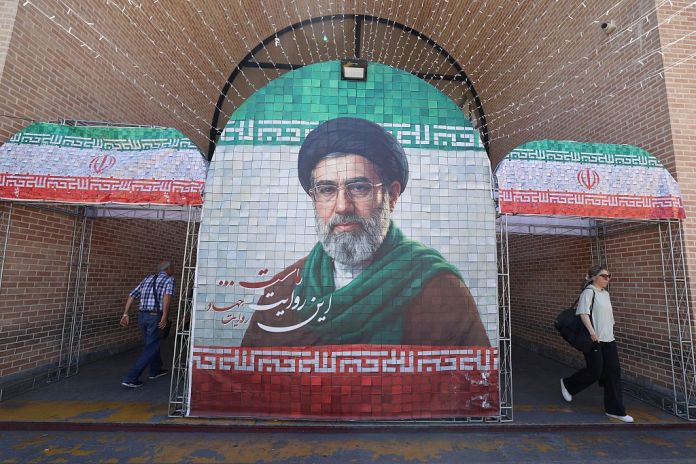
Iranian Supreme Leader Ayatollah Mojtaba Khamenei said he had a “different opinion” on the U.S.-Iran Memorandum of Understanding but approved its signing anyway.
Khamenei’s first statement since the MOU was announced was communicated as a written message; the elusive leader hasn’t been seen or heard from since he was wounded in the opening strikes of […] ...
이 뉴스, 독자들은 어떻게 느꼈나요?
첫 반응을 남겨보세요로그인하면 감정 반응에 참여할 수 있어요.