New deal at an old venue: From world wars to US-Iran peace, why Versailles matters
AI Summary
The Trump administration completed negotiations on a 14-point accord with Iran requiring the US to lift its sanctions blockade and waive restrictions on Iranian oil, with frozen Iranian assets to be released. Trump defended the framework at a G7 summit as preventing economic collapse from prolonged regional conflict, though critics questioned the agreement's substance and highlighted unresolved issues.
Progressive: Progressive-leaning outlets stressed substantive gaps and unresolved tensions in the agreement, and characterized Trump's public defense as incoherent, questioning whether the framework genuinely constitutes a peace accord.
Moderate: Moderate outlets presented Trump's stated economic rationale for the agreement alongside Republican concerns about its adequacy, reflecting mixed assessments about the deal's strategic value.
Conservative: Conservative-leaning outlets highlighted the concrete sanctions relief and lifted restrictions as diplomatic achievements, and emphasized Trump's stated aims of preventing Iranian nuclear weapons and destabilization.
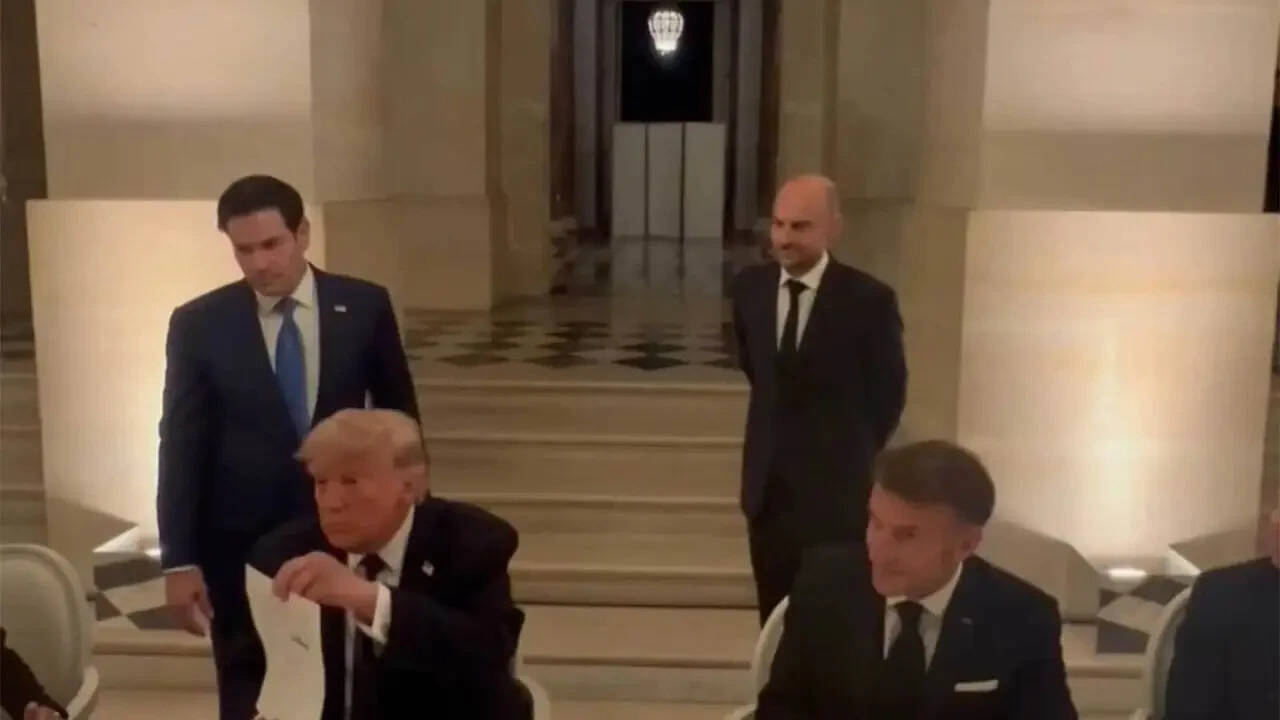
In a historic move at France's Palace of Versailles, US President Trump and Iranian President Pezeshkian signed a 14-point MoU to end hostilities.
The agreement includes a military ceasefire, nuclear non-development pledge, sanctions relief, and frozen asset release.
This landmark deal, aiming for a broader peace, echoes Versailles' legacy of significant international accords. ...
이 뉴스, 독자들은 어떻게 느꼈나요?
첫 반응을 남겨보세요로그인하면 감정 반응에 참여할 수 있어요.