White House Can’t Explain Trump Changing Terms of Saudi Nuclear Deal
ONP 요약
트럼프 미국 대통령이 이란을 상대로 '배들을 공격하면 다리나 발전소를 부수겠다'는 강한 경고를 했는데, 이는 호르무즈 해협 충돌에서 미군 병사들이 목숨을 잃은 후의 일입니다. 동시에 미국은 사우디아라비아와 핵 기술 협력을 하기로 결정했습니다.
진보 성향:호르무즈 긴장 고조 — Trump이 미군 전사를 이유로 이란에 대한 인프라 파괴 위협을 높여 중동 갈등을 격화시키고 있다.
중도 성향:다층 대중동 전략 — 이란에 강경하면서 동시에 Saudi Arabia와 협력을 심화시키는 균형잡힌 외교 정책.
보수 성향:정당한 대응 — 호르무즈 해협에서의 이란 공격에 대한 Trump의 위협은 미국의 해상 안보와 국익을 지키기 위한 필요한 조치.
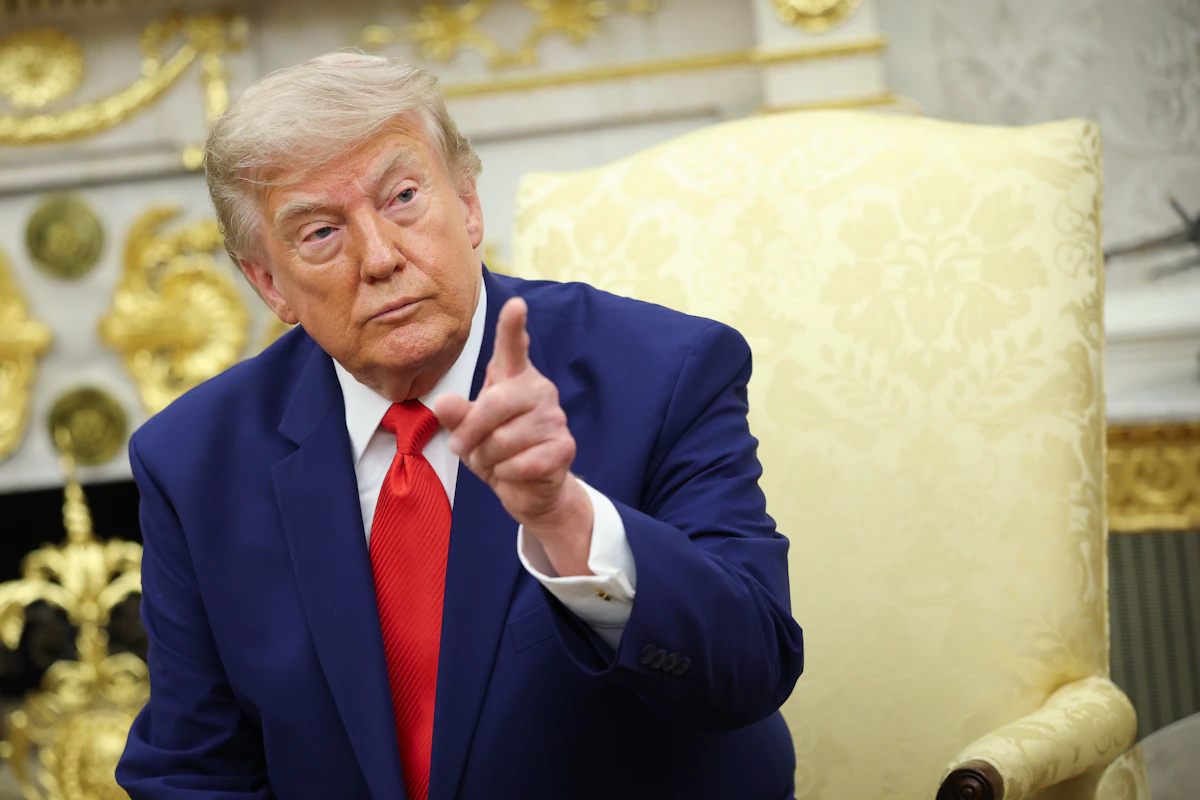
President Trump announced massive new conditions to his nuclear deal with Saudi Arabia on Thursday morning, just hours after it was signed.
In a Truth Social post, Trump demanded that Saudi Arabia normalize relations with Israel via the Abraham Accords before getting any U.S. nuclear technology. He also claimed “there will be no enrichment of material,” though the deal certainly opens the door to uranium enrichment in the country.
“The Civil Nuclear Deal (There will be no enrichment of material!) being made between the United States Department of Energy and Saudi Arabia, which pertains only to non-military use such as the ones that Iran and UAE (and others) already have, will be approved, but is totally subject to Saudi Arabia joining the very respected and successful Abraham Accords,” Trump wrote. “The United States is not opposed to Civil (Non-Enriched) Nuclear Facilities.”
Negotiating terms would make sense if the deal wasn’t already signed, or if the Saudi kingdom had at least hinted at accepting the demands Trump outlined (it hasn’t).
Trump’s post created a stark messaging contradiction for the White House, which is still struggling to explain the terms of the deal.
White House press secretary Karoline Leavitt was asked to explain the president’s about-face during her Thursday press conference.
“What steps is the U.S. taking to get Saudi Arabia to sign the Abraham Accords?” a reporter asked.
Leavitt did not answer the question.
“This is a condition that the president has spoken about many times.… He wants to see these countries sign the Abraham Accord, it was one of the most historic accomplishments of his first term, and it continues to be a long-term goal of his to expand those accords to ultimately come to a place where the Middle East can be a peaceful and stable region,” Leavitt replied, providing no examples of mechanisms being used to make that happen. “Yes, this deal with Saudi Arabia … is contingent on this condition as far as the president is concerned. So we’ll continue to talk with our Saudi counterparts to get the deal finalized.”
“Why was that condition not mentioned yesterday when the energy secretary announced it?” another reporter followed up.
“Well, look, the president is always the final dealmaker, as you know, and this is something that he has mentioned on numerous occasions,” Leavitt replied.
“So the deal is dead if Saudi Arabia doesn’t join? And have you any indication that Saudi Arabia is even considering this?”
Leavitt once again failed to engage with the actual questions being raised.
“The president has spoken directly with the Saudis about this in numerous conversations in the past, and the administration will continue to engage in these conversations.”
White House press secretary Karoline Leavitt said President Trump wants Saudi Arabia to join the Abraham Accords before a proposed U.S.-Saudi civil nuclear energy deal moves forward, confirming the agreement is contingent on that condition.
Saudi Arabia has not yet responded… pic.twitter.com/QRWk0H2b5C
— CBS News (@CBSNews) July 23, 2026
It’s clear that no one in the Trump administration can explain just how they plan to get the Saudis to agree to a different deal than the one they signed just a few hours ago.
“On Trump seemingly adding new conditions to the US Saudi nuclear deal, including Saudi Israel normalization, a Saudi source says: ‘It was signed. So nothing to renegotiate,’” journalist Laura Rozen wrote. “‘Tweets don’t overturn signed agreements.’” ...
이 뉴스, 어떠셨어요?
탭 한 번으로 반응 · 로그인 불필요
같은 사건, 다른 제목
+3