Iran MOU highlights Trump’s divisions with Benjamin Netanyahu
AI Summary
Following the signing of a peace agreement between the United States and Iran on June 15, 2026, Israel erupted in criticism, with government officials and military leaders warning that the accord inadequately addresses Iranian weapons programs and proxy operations. Prime Minister Netanyahu faces intense political pressure across the domestic spectrum while pledging continued operations in Lebanon and announcing his candidacy for upcoming elections, though his diplomatic standing appears damaged. The accord has revealed strategic disagreements between Washington and Tel Aviv over regional priorities.
Progressive: Progressive-leaning outlets stress that Trump negotiated the accord without Israeli input, framing it as evidence that the American president privileges his own strategic calculations over coordinated allied policy.
Moderate: Centrist outlets describe the accord as creating a twin political and security crisis for Netanyahu, with cross-spectrum Israeli opposition rooted in unresolved Iranian threats and doubts about the Prime Minister's diplomatic effectiveness.
Conservative: Conservative-leaning outlets characterize the accord as compromising Israeli security by leaving Iranian ballistic and proxy threats unresolved, depicting Netanyahu as diplomatically outmaneuvered and Israel's position as weakened.
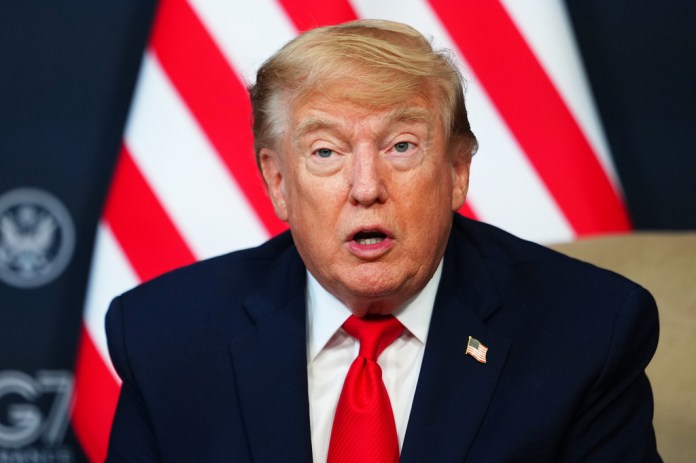
The G7 summit in Evian, France, put flaring tensions between President Donald Trump and Israeli Prime Minister Benjamin Netanyahu on full display as the U.S. rapidly advances to end the war in Iran.
Trump and Netanyahu jointly launched the Feb.
28 strikes on Tehran that began the war but are now on different tracks over […] ...
이 뉴스, 독자들은 어떻게 느꼈나요?
첫 반응을 남겨보세요로그인하면 감정 반응에 참여할 수 있어요.