U.S.-Iran deal offers relief to S. Korean economy, but lower energy prices may take time
AI Summary
US officials express confidence that a framework agreement ending the US-Iran conflict could be signed as early as Sunday, though Iranian authorities resist this timeline and have not formally finalized their position. The proposed deal would reopen the Strait of Hormuz and include conditional sanctions relief. Separately, Western observers note that Iran has rebuilt substantial portions of its military arsenal during previous periods of reduced hostilities.
Progressive: Progressive-leaning outlets emphasize the deal's advancement toward a breakthrough and frame US-Iran as approaching an agreement to end the conflict, highlighting the diplomatic possibility rather than obstacles.
Moderate: Centrist outlets stress caution and uncertainty, focusing on Iran's military rebuilding, mixed signals from both sides on timing, or Tehran's deliberative approach to finalizing its position.
Conservative: Conservative-leaning outlets contextualize current peace negotiations with reference to Trump's previous withdrawal from the 2015 nuclear agreement.
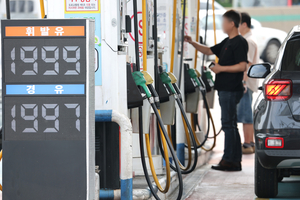
A ceasefire agreement between the United States and Iran and plans to reopen the Strait of Hormuz have eased one of the biggest external risks facing South Korea's economy, but oil prices could take time to stabilize and return to pre-war levels, experts said Monday.
US President Donald Trump announced Sunday that Washington and Tehran have reached a peace deal aimed at ending their monthslong conflict, saying that the strategically vital Strait of Hormuz will reopen once the agreement is formal ...
이 뉴스, 독자들은 어떻게 느꼈나요?
첫 반응을 남겨보세요로그인하면 감정 반응에 참여할 수 있어요.