Qatar and Pakistan say US and Iran agreed on ‘roadmap’ to reach final deal in 60 days
AI Summary
The Trump administration has concluded a war with Iran through a negotiated agreement, but the deal faces widespread skepticism at home and abroad. Americans predominantly oppose both the conflict and resulting agreement, with 65% disapproval in recent polling. The administration presented the deal as necessary to prevent economic harm, yet analysts question whether it addresses Iran's core regional threats and nuclear capabilities, and observers worry the agreement leaves Iran strategically stronger than before the conflict.
Progressive: Progressive outlets argue the costly, unpopular war needed to end and the imperfect deal reflects American public preference. They emphasize that analysts doubt the agreement solved core threats and that most Americans suspect Iran's nuclear program remains unresolved.
Moderate: Centrist outlets focus on Trump's political calculations and justify the deal through economic concerns, while reporting polling data showing broad public disapproval. They raise questions about whether the agreement sufficiently addressed the strategic balance with Iran.
Conservative: Conservative outlets contend the United States is now in a worse position than before the war and that the deal represents a negotiation conducted from weakness due to economic and electoral pressures. They argue Iran gained strategic advantage and maintain military options remain necessary.
이 뉴스, 어떠셨어요?
한 번의 탭으로 반응을 남겨요 · 로그인 불필요
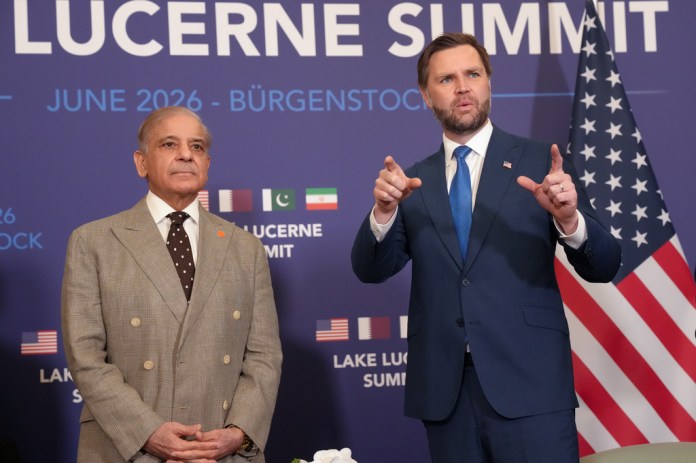
Qatari and Pakistani mediators said Sunday night the first round of high-level talks between the United States and Iran had concluded, saying in a joint statement the “Lake Lucerne Summit was conducted in a positive and constructive atmosphere.” The announcement came after a long day of negotiations between Vice President JD Vance, U.S. envoys Jared […] ...