Israels Armee zerstört Tunnel im Südlibanon
ONP Summary
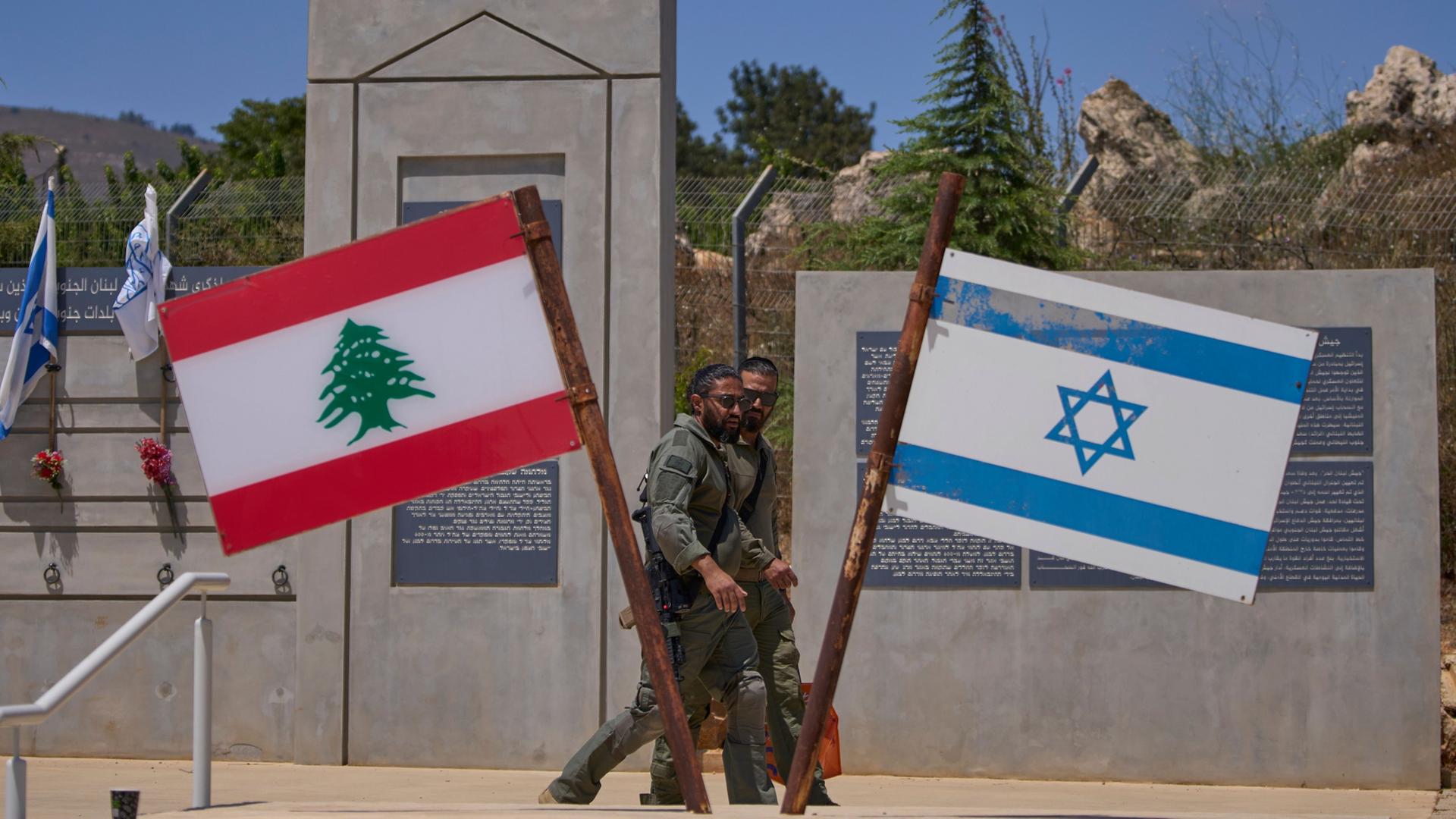
Israel and Lebanon signed a US-brokered peace framework aimed at ending hostilities, but the agreement faced immediate challenges: Israeli military operations continued in southern Lebanon, and Hezbollah categorically rejected the deal as a violation of Lebanese sovereignty. The accord has also sparked division both within Lebanon—with some viewing it as reducing Iranian influence while others oppose it—and among Israeli officials, particularly those on the right.
Progressive: Progressive-leaning outlets emphasize the contradiction between the diplomatic agreement and continued Israeli military operations, framing the deal as potentially coercive toward Lebanon and highlighting Hezbollah's substantive resistance to terms they view as undermining Lebanese sovereignty and independence.
Moderate: Centrist outlets present a more measured assessment, acknowledging the diplomatic achievement while highlighting immediate challenges—continued Israeli strikes, Hezbollah's rejection, and internal Israeli opposition from right-wing figures—and questioning whether the arrangement will prove durable or merely a temporary pause in hostilities.
Conservative: Conservative-leaning outlets frame the agreement as a significant diplomatic achievement and pragmatic step toward regional stability, emphasizing the internal Lebanese divisions it has revealed and the potential benefit of reducing Iranian influence, while remaining cautiously optimistic about implementation despite practical obstacles.
이 뉴스, 어떠셨어요?
한 번의 탭으로 반응을 남겨요 · 로그인 불필요
Israel hat die Zerstörung eines unterirdischen Tunnels der Hisbollah-Miliz im Südlibanon gemeldet.
Die Anlage war laut Armee mit Waffen bestückt und habe als Ausgangspunkt für Angriffe gedient. ...