Das Geschäft mit der Fußball-WM: Wer gewinnt, wer verliert
AI Summary
The 2026 FIFA World Cup officially launches on June 11 with a record-expanding 48 teams competing across three nations—the United States, Canada, and Mexico—marking the first tournament hosted in multiple countries. Teams are completing logistical preparations, and global media is providing comprehensive guides on tournament structure, viewing options, and match schedules.
Progressive: Progressive-leaning outlets emphasize logistical complexity and innovation, detailing team accommodations and equipment management, explaining the structural decision to expand across three countries, and contextualizing the tournament within broader entertainment and political discourse.
Moderate: Centrist outlets focus on fan engagement and entertainment—providing regional viewing guides, exploring the concurrent video game soccer industry competition, offering interactive content such as quizzes and technical analysis, and delivering live coverage.
Conservative: Conservative-leaning outlets highlight cultural and social shifts resulting from the tournament schedule, noting how weekday morning match times may transform traditional viewing customs such as South Korea's iconic 'chimaek' (fried chicken and beer) evening gatherings shifting to 'brunch' daytime watching among working professionals.
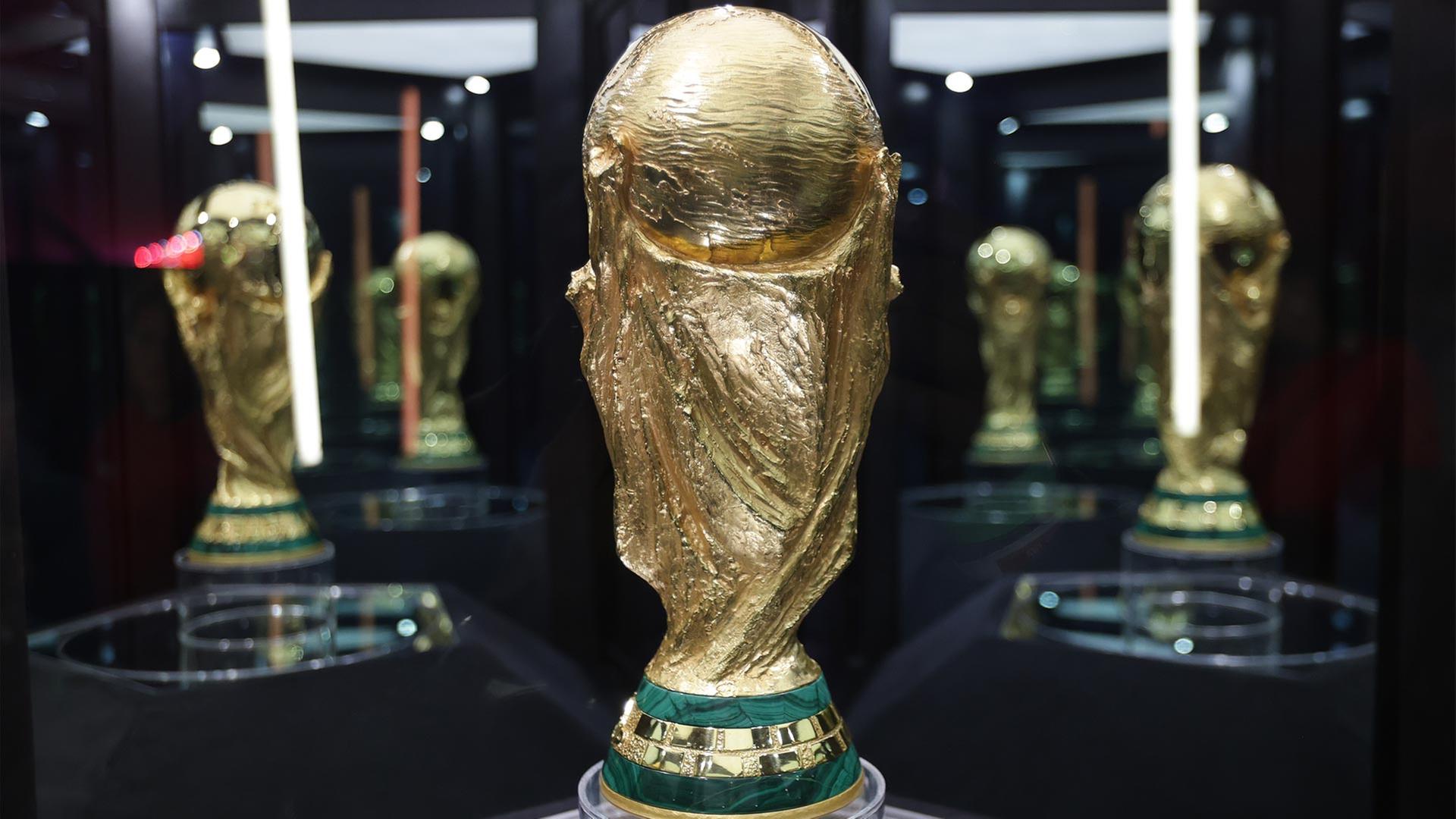
Die Fußball-WM ist weit mehr als ein Sportereignis.
Für manche Unternehmen und ganze Branchen ist sie ein Milliardengeschäft - getragen von TV-Rechten und Sponsoring.
Andere aber zahlen den Preis.
Von Anne-Catherine Beck. ...
이 뉴스, 독자들은 어떻게 느꼈나요?
첫 반응을 남겨보세요로그인하면 감정 반응에 참여할 수 있어요.