US to tighten visa regulations for foreign students, journalists
ONP 요약
트럼프 대통령이 며칠 뒤 연설에서 중국이 2020년 미국 선거에 개입했다고 주장할 계획인데, 미국 정보기관은 그렇지 않다고 말해 논쟁이 예상된다. 또한 미국은 한국 회사와 함께 군함을 만들기로 하고, 이란과의 충돌을 강화하며, 외국인의 미국 입국 규칙도 더 엄격하게 할 계획이다.
진보 성향:선거 음모론 확산 — 정보기관 평가와 모순되는 중국 개입 주장으로 2020년 선거 정당성을 의심하게 하며, 이란과의 외교적 화해는 긍정 평가한다.
중도 성향:팩트 검증 필요 — 중국 개입 주장과 정보기관 평가의 불일치를 지적하며 다중 정책을 동시 진행하는 행정부의 입장을 중립적으로 보도한다.
보수 성향:국방·안보 강화 — 중국 위협을 강조하는 선거 개입 주장, 이란 군사 강경화, 한국과의 국방 협력으로 동맹 강화와 국가안보를 동시에 추진하는 전략적 결단이다.
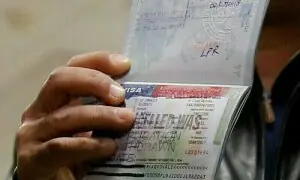
The Trump administration moved on Thursday to tighten the duration of visas for foreign students, cultural exchange visitors and journalists.
The new final rule from the Department of Homeland Security (DHS) creates a fixed time period for F visas for international students, J visas that allow visitors on cultural exchange programs to work in the US, and I visas for members of the media.
Those visas are currently available for the duration of the program or employment in the US. The effective date is 60 days from publication in the Federal Register, subject to congressional review.
US President Donald Trump, a Republican, kicked off a wide-ranging immigration crackdown after taking office in January 2025. His administration has increased scrutiny of legal immigration, revoking student visas and green cards of university students over their ideological views and stripping legal status from hundreds of thousands of migrants.
The latest action would create new hurdles for international students, exchange workers and foreign journalists. Under the new regulations, the student and exchange visa periods would be no longer than four years.
The visa for journalists — which currently can last years — would be up to 240 days or, in the case of Chinese nationals, 90 days. The visa holders could apply for extensions, it said.
In August, China’s foreign ministry opposed the proposed new rule for Chinese journalists as being discriminatory. The Chinese Embassy did not immediately return a request for comment on Thursday.
Student stipulations
The regulations prohibit graduate students from changing their “educational objectives” at any point or from transferring to another school without authorisation. They halve the amount of time students have to leave the United States after completing their degree or training from 60 to 30 days.
“Most Americans understand the value of welcoming international students and getting rid of needless red tape,” said Doug Rand, a former DHS official. “This rule would do the opposite.”
David J Bier, immigration studies director at the Cato Institute, said there was no legal basis for the study and transfer restrictions in the new regulations.
“International students, many of whom will have spent years in the USA, will now have just 30 days to find an employer to sponsor them or immediately be turned into illegal immigrants. Have these people no understanding of how life works?” he asked.
The department cited a dramatic rise in such visas in the posting. It said there were more than 1.8 million student visa admissions in 2024, a more than 11 per cent increase over the previous year.
The US granted visas to more than 500,000 exchange visitors and 37,300 members of the media in fiscal year 2024, which began on October 1, 2023, it said.
The significant increase in the volume of such visitors “poses a challenge to DHS’s ability to monitor and oversee these non-immigrants while they are in the United States”, DHS said.
The department said it has many examples of students and exchange visitors staying for decades on their visas.
Visa holders who want to stay in the United States beyond their fixed period of admission will need to apply to DHS for an extension or gain readmission by travelling abroad and then re-entering the United States, DHS said. ...
이 뉴스, 어떠셨어요?
탭 한 번으로 반응 · 로그인 불필요