News18 (India)
보수 성향
기타
The Long Shadow Of Kargil: Why The Zojila Tunnel Matters Nearly Three Decades Later
The tunnel will not change geography, but it will change how much geography can dictate military logistics
🇮🇳 인도 · "MILITAR" · 총 150건
필터 보기현재 지수
48.1
0 = 부정 우세
50 = 중립
100 = 긍정 우세
최근 7일 기준 5,471건을 분석한 결과, 뉴스 심리지수는 48.1(균형)입니다. 긍정 530건(9.7%)·중립 3,689건(67.4%)·부정 1,252건(22.9%)이며, 중립 비중이 뚜렷하게 높습니다. 성향 지수는 종합 13.9(중도 균형)입니다.
The tunnel will not change geography, but it will change how much geography can dictate military logistics
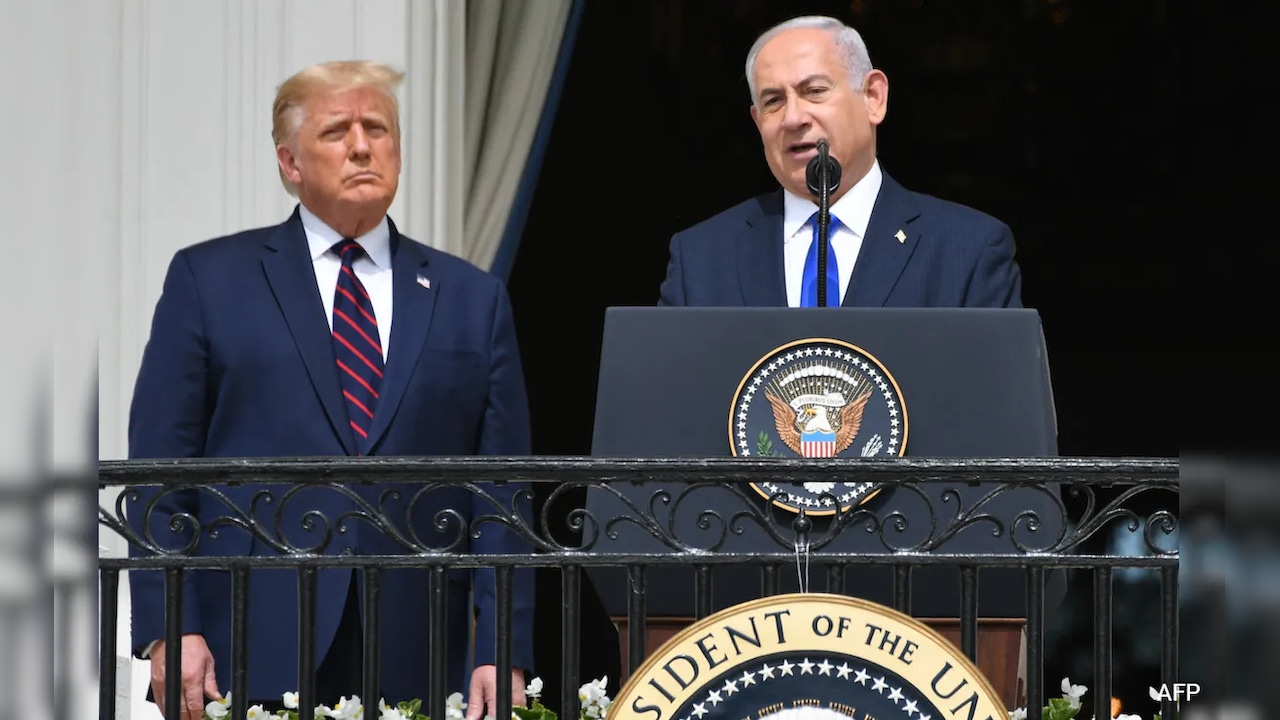
Donald Trump has been publicly at odds with Netanyahu over the military operation.
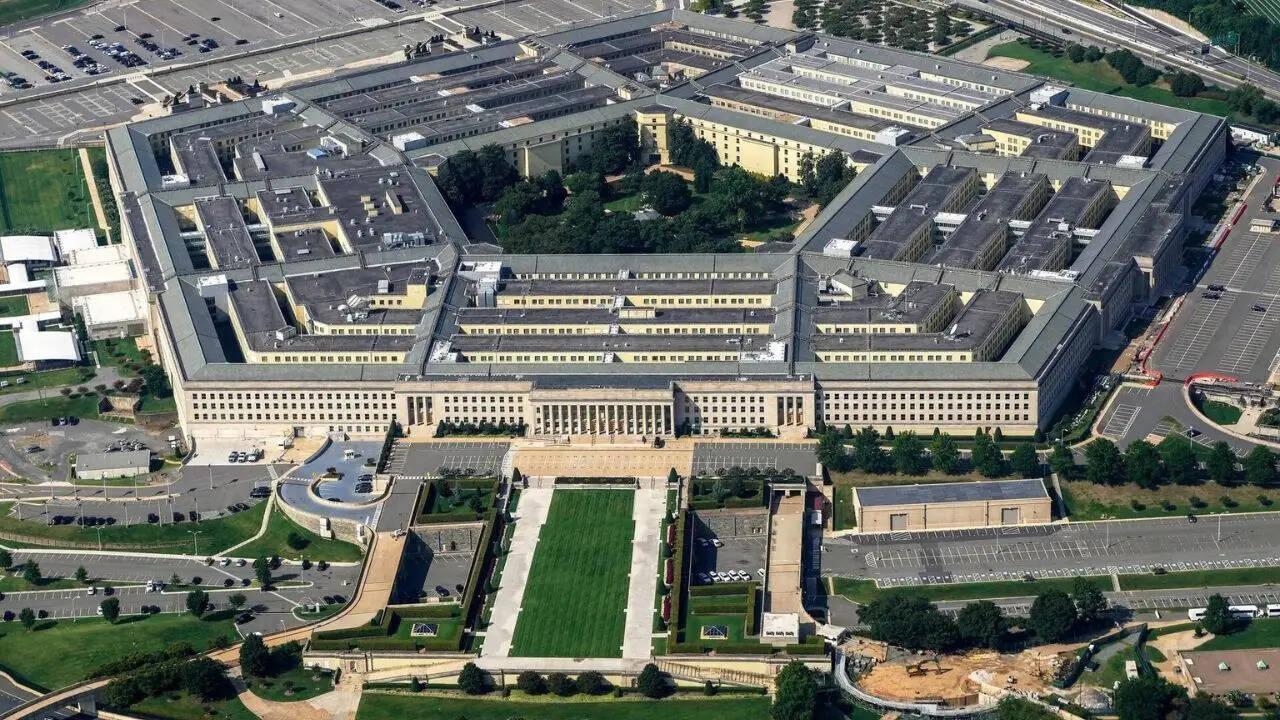
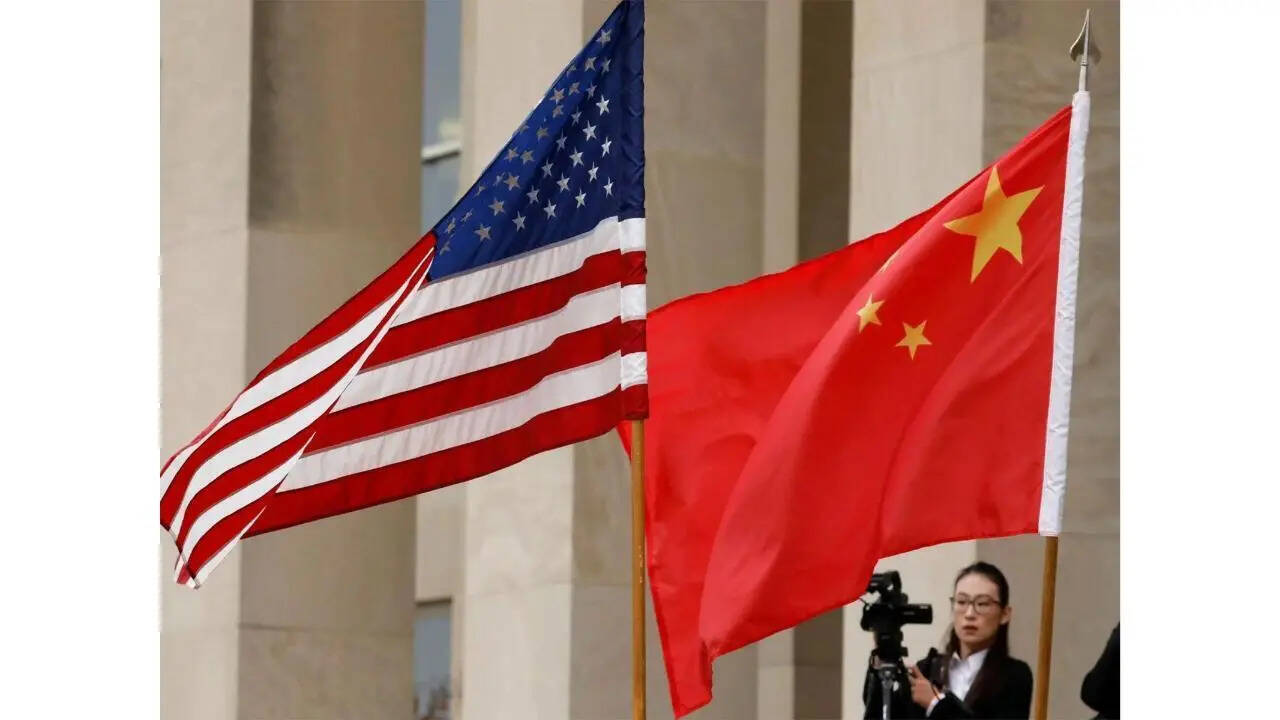
The Pentagon has added major Chinese companies, including BYD, Alibaba, and Baidu, to its list of Chinese military companies. This action, announced on June 9, 2026, prohibits these firms from receiving U.S. defense contracts. The Pentagon asserts these companies contribute to China's defense industrial base through affiliations with government ministries overseeing technology and industrial policy.
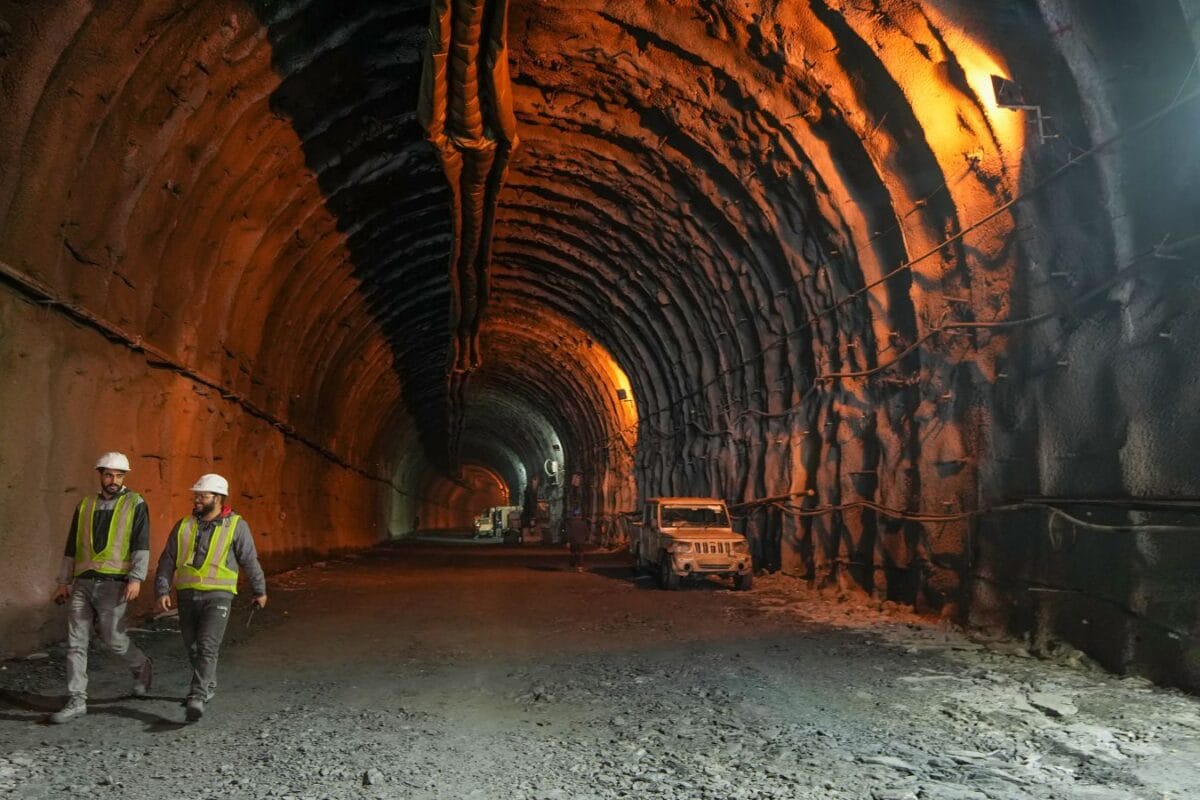
A major milestone has been achieved in the Zojila Tunnel project, connecting its two ends to create a 13-km passage. This vital infrastructure will ensure all-weather connectivity between Kashmir and Ladakh, eliminating annual disruptions and significantly reducing travel time. Expected to be operational by 2028, the tunnel is crucial for military logistics and regional development.

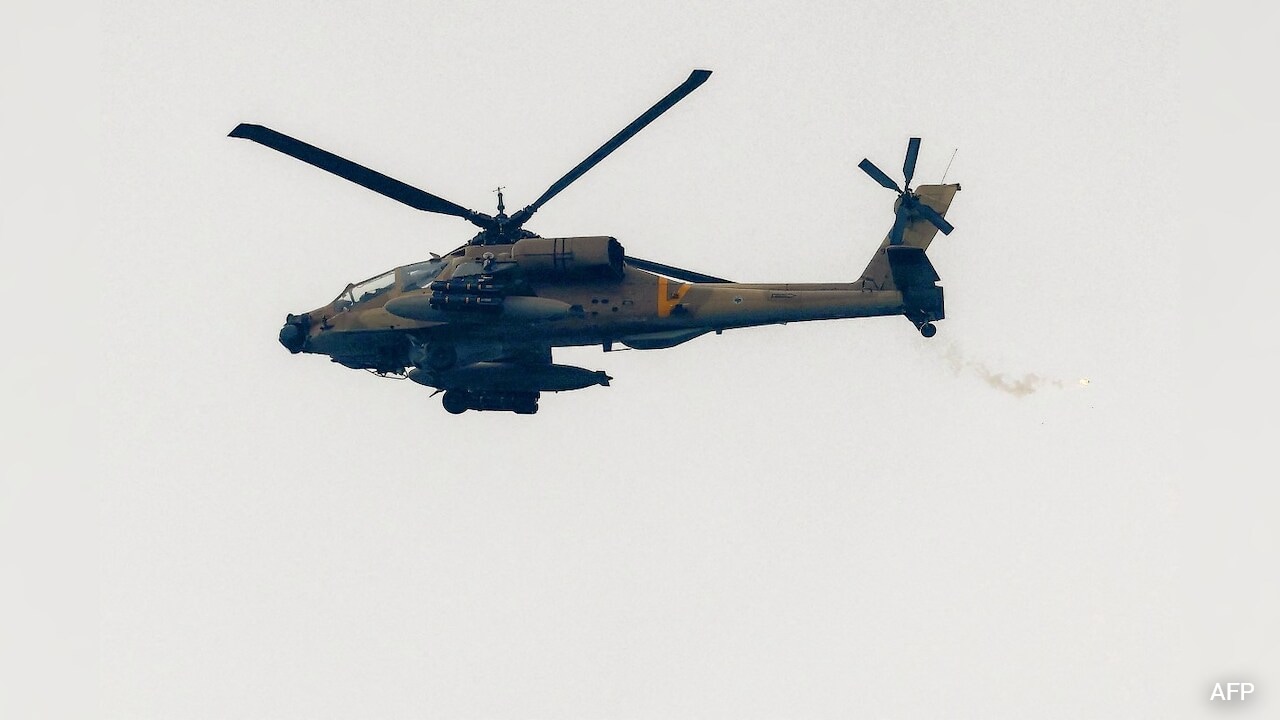
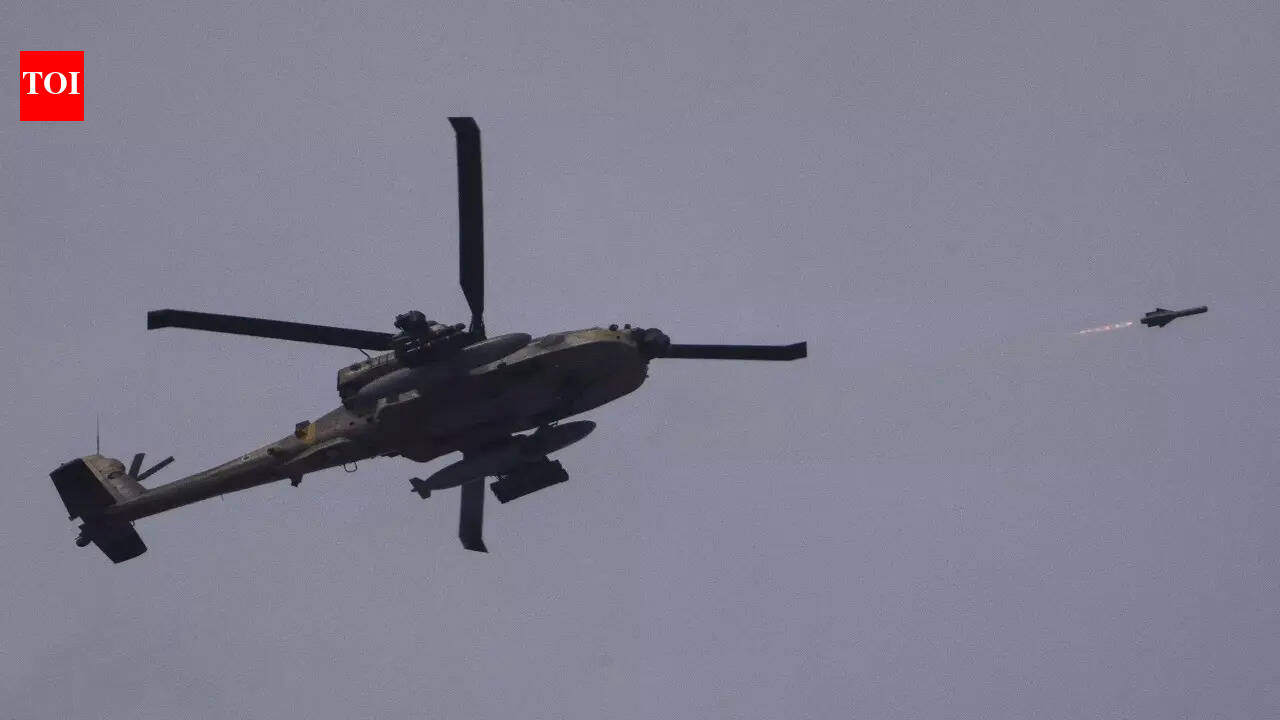
The US military has used Apaches, along with MQ-9 Reaper drones and F/A-18 and F-35 fighter jets, as part of Central Command's operation challenging Iran's effective closure of the Strait of Hormuz to most commercial traffic.
In naming Alibaba, the Pentagon said the tech giant helps boost China's defense industrial base.
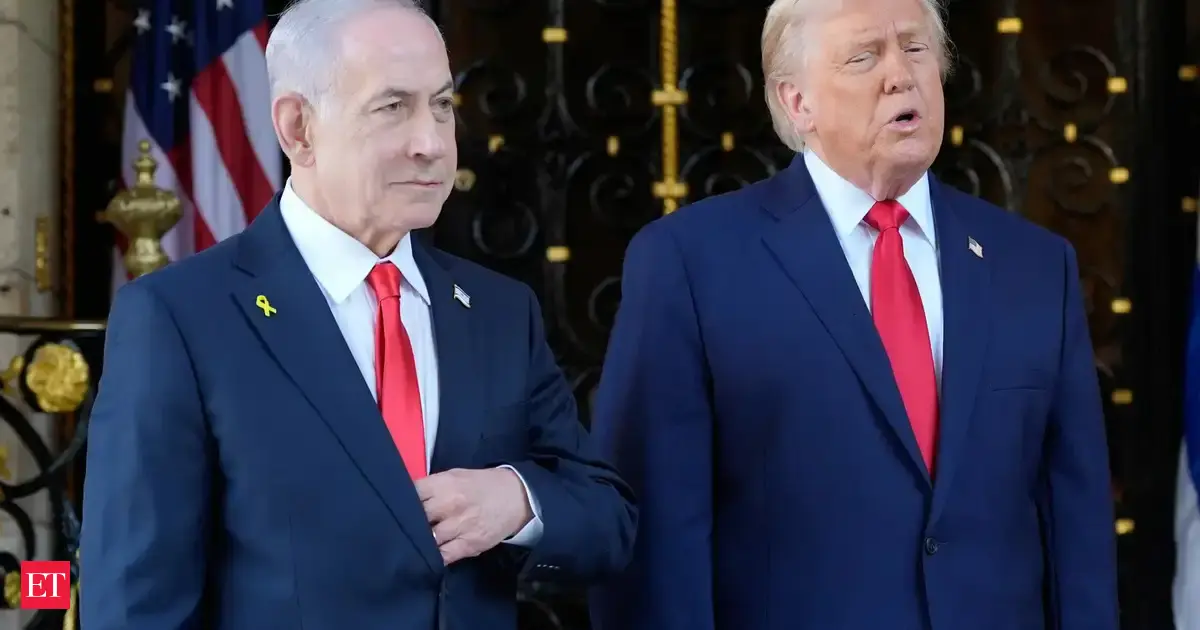
Despite reports of intensified tensions between President Trump and Prime Minister Netanyahu, Israel's ambassador downplayed a rift, likening it to a "lover's spat." Trump reportedly warned Netanyahu against expanding military operations against Iran, urging restraint to avoid isolation. While the US and Israel collaborated on earlier strikes, differences emerged over diplomatic versus military approaches to the conflict.
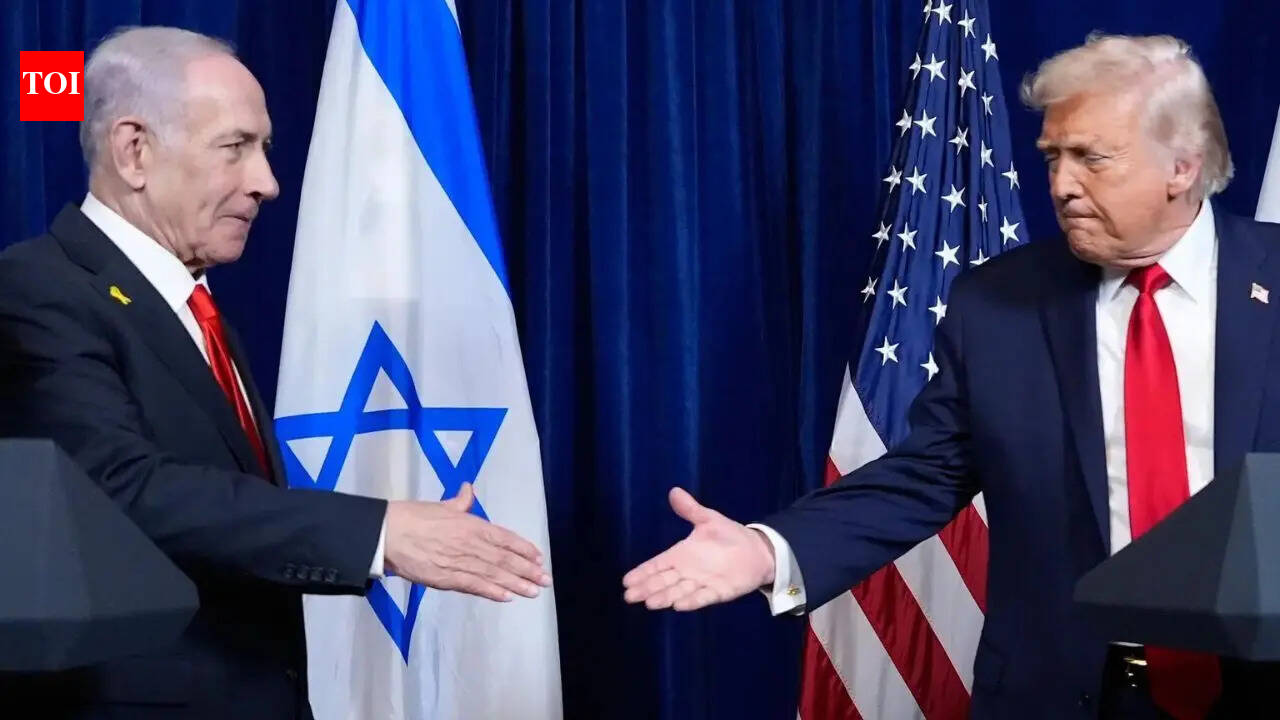
No wonder Donald Trump swore at his supposed friend and ally Benjamin Netanyahu last week. Within days of that June 1 phone call, Israel and Iran were back on track for the kind of military escalation that can no longer be explained away as a ceasefire breach, presenting a potentially fatal threat to the US president’s attempts to end the war.The cause of their dispute is, on the surface, simple. Israel says the April ceasefire between Tehran and Washington did not cover Lebanon, and that its troops would therefore go on fighting Hezbollah so long as the Shiite group posed a security threat to Israeli’s northern border communities. Iran says the deal did cover Lebanon, which is just another front in the same war — and of course it is.It’s precisely because it sees Hezbollah as a tool of Iran’s Islamic Revolutionary Guard Corps that Israel wanted the war in the first place. Israelis correctly blamed the IRGC for having orchestrated an entire proxy network of militias — from the Houthis in Yemen, to Hamas in Gaza, to Hezbollah in Lebanon — against the world’s only Jewish state. That Iranian strategy contributed directly to the atrocities of Oct. 7, 2023.Also Read: US Army Apache helicopter crashes near Strait of Hormuz, says reportOnly such an Iran-controlled or -inspired network can explain why Hezbollah opened a second front against the Israelis on Oct. 8 of that year, long before it could be described as a response to Israeli military excesses against Palestinian civilians in Gaza. Likewise that Hezbollah would join in the fight again when the US and Israel attacked Iran, in February. And it’s why the Houthis chose this weekend to lob a missile at Israel and announce they were closing the Bab al-Mandeb Strait to Israeli shipping.These last Houthi gestures were largely symbolic. Yet the collective message Tehran seeks to deliver is clear; it is that reports of the death of its so-called Axis of Resistance have been greatly exaggerated. The latest bout of escalation has notably been directed at Israel alone, serving to drive a wedge between it and the US, as it exposed the point at which their interests divide.Tehran on Monday appeared to want to draw a line under spiraling tit-for-tat air and missile strikes, saying it would refrain from further attacks — so long as Israel doesn’t bomb Hezbollah’s strongholds in Beirut. Netanyahu now faces a painful dilemma: Should he obey Trump by limiting his campaign against Hezbollah in the face of Iranian threats, thus granting them a level of impunity and deterrent power? Or should he ignore Trump and unleash the Israel Defense Forces on the Lebanese capital?Also Read: US carriers spent $6. 5B on fuel in April; global profit forecast is cut nearly in halfTehran’s new leaders understand this. No doubt they see it as a win-win for themselves. They know, too, that Hezbollah has recovered some of the military utility it had lost before the war after acquiring remote-controlled first-person view drones that the IDF seem ill-prepared to counter.This would present a genuine predicament to any Israeli government, because popular support for “finishing the job” in Lebanon is high. Netanyahu faces anger from across the political spectrum over his apparent submission of Israeli security interests to American ones.But this isn’t any Israeli government. Not every Israeli leader would have overseen a decades-long security policy that prioritized the suppression of the Palestinian Authority over Hamas, allowing the terrorist group to succeed beyond its wildest dreams on Oct. 7. Nor would every Israeli leader have refused to draw up a political strategy to accompany the use of force that followed in Gaza, the West Bank, and Lebanon — despite being coerced by Trump into recent talks with its central government.As the former Israeli Prime Minister Ehud Barak put it in an article for the liberal Haaretz newspaper on Monday, the story being sold to Israelis — that the IDF could eradicate Hezbollah once and for all if only its hands weren’t tied — is “a dangerous illusion.” The history of previous, painful failed incursions into Lebanon says as much.Nor would every Israeli leader have misled Trump into believing (against the advice of the US military and intelligence community) that assassinating Iran’s supreme leader would swiftly precipitate a collapse of the Islamic Republic as a whole. Nor might they have allowed their country to become quite as diplomatically isolated as it has.It is these strategic failures, amid undoubted military success, that have left Israel with few good options. Netanyahu can hope for a rapid collapse of the regime in Tehran to resolve his dilemma, but that’s unlikely. Alternatively, he can try to persuade the US to join in a long-term mow-the-lawn policy to keep Iran weak, amounting to a forever war. This, too, seems unlikely — or at least not in the interests of the US, its Gulf allies or the global economy.Failing one of these minor miracles, the risk of Israel being forced to accept a peace deal that leaves an enraged and emboldened Islamic Republic in place is real. No doubt Netanyahu, like Trump, believed in February that a short, victorious Iranian war might salvage his dimming political prospects, ahead of the Israeli elections due by October. That was a bad bet.
A US military Apache helicopter went down near the Strait of Hormuz on Tuesday amidst escalating tensions with Iran. The incident occurred following a significant military campaign launched by Donald Trump's administration against the Iranian regime. The exact cause of the crash, whether enemy action or mechanical failure, remains unconfirmed.
India has strongly condemned Pakistan's alleged state-sponsored propaganda campaign at the United Nations, accusing Islamabad of labeling militant groups as 'Fitna al Hindustan' to deflect blame. New Delhi highlighted Pakistan's internal challenges and military's influence, while also holding it responsible for civilian casualties in Afghanistan due to cross-border military operations.
India 5th among global military spenders, has 190 nukes to Pakistan's 170
Closure of Kashmir-Ladakh highway for six months during winters due to heavy snowfall restricts the movement of military vehicles, strategic Zojila Tunnel will resolve inaccessibility, enhancing military mobility
The Israeli military said that its chief of staff was "in close contact" with his US counterpart.
US President Trump reportedly clashed with Israeli PM Netanyahu over recent military actions in Lebanon and Iran. A senior US envoy suggested a near confrontation, with Trump urging restraint to avoid derailing diplomatic efforts with Iran. Trump publicly called for an immediate ceasefire, emphasizing his role in brokering a deal.
Iran’s armed forces announced the end of military strikes against Israel after US President Donald Trump called on both countries to stop “shooting”
An unladen oil tanker, MT Marivex, carrying 24 Indian crew members, was disabled and caught fire in the Gulf of Oman following a US military action. The US stated an F/A-18 Super Hornet fired a precision munition after the vessel allegedly violated a blockade of Iran's ports and ignored directions. All Indian seafarers were safely evacuated with Omani assistance.
India is investing Rs 13,000 crore in Great Nicobar Island for a dual-use airport, bolstering civilian connectivity and military readiness near the vital Strait of Malacca. This strategic project enhances surveillance of crucial shipping lanes, impacting China's energy security and strengthening India's Indo-Pacific influence. The development also includes a trans-shipment hub, aiming to boost India's economic standing.
Diego Garcia hosts an important US-UK military base.