NDTV Top Stories
보수 성향
정치
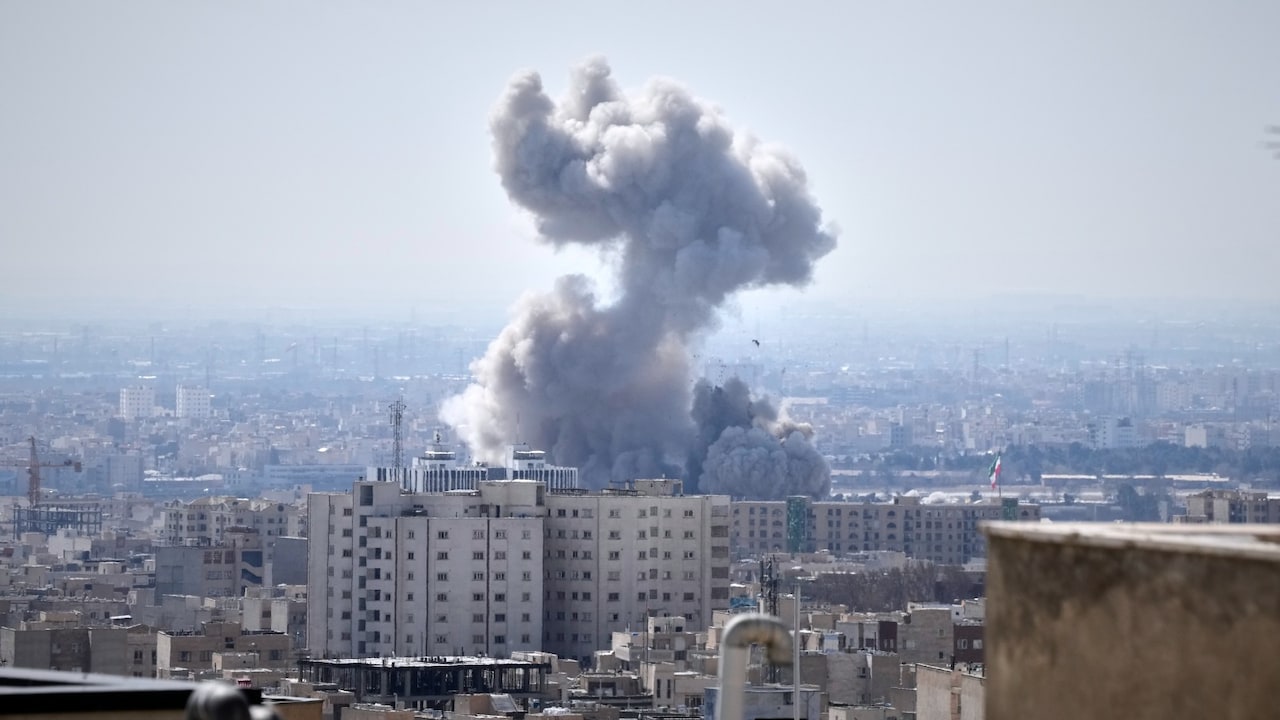
부정적War In The Middle East Is Flaring Again. How Each Side Sees The Stakes
Hezbollah has rejected the ceasefires agreed to by Israel and the Lebanese government.
🇮🇳 인도 · "EES" · 총 362건
필터 보기현재 지수
48.1
0 = 부정 우세
50 = 중립
100 = 긍정 우세
최근 7일 기준 5,471건을 분석한 결과, 뉴스 심리지수는 48.1(균형)입니다. 긍정 530건(9.7%)·중립 3,689건(67.4%)·부정 1,252건(22.9%)이며, 중립 비중이 뚜렷하게 높습니다. 성향 지수는 종합 13.9(중도 균형)입니다.
Hezbollah has rejected the ceasefires agreed to by Israel and the Lebanese government.
The biggest edition of the ICC Women's T20 World Cup gets underway in England on June 12, with 12 teams competing for the title across 33 matches. As defending champions New Zealand seek to retain their crown, India will aim to complete a rare World Cup double after winning the ODI World Cup last year, while Australia look to re-establish their dominance after a rare trophyless ICC cycle.The tournament's expanded format has heightened competition, but a handful of teams enter as genuine title contenders.India chasing historyNo team apart from Australia has won both the ODI and T20 World Cups in succession. Harmanpreet Kaur's side has an opportunity to achieve that feat after ending India's long wait for a global title with last year's ODI World Cup triumph.Also Read: JioStar bets on mainstreaming women’s cricket fandom with ICC Women’s T20 World Cup campaignIndia's preparations have produced mixed signals. They secured home series victories over Sri Lanka and Australia but struggled on overseas tours, losing a T20 series in South Africa and another in England earlier this month. England recovered from 0-1 down to beat India 2-1, exposing concerns over India's bowling depth in unfamiliar conditions.The batting unit remains India's biggest strength. Smriti Mandhana, Jemimah Rodrigues, Harmanpreet, Deepti Sharma and Richa Ghosh bring extensive experience from English franchise competitions, which could prove valuable during a month-long campaign.India also received a confidence boost in a warm-up match against West Indies, where Bharti Fulmalli struck a half-century and the spin attack delivered a commanding performance.Australia remain the benchmarkAustralia enter the tournament under a new captain after Alyssa Healy's retirement, with Sophie Molineux taking charge of a squad that still boasts some of the most experienced names in women's cricket.Also Read: Form of openers, bowling main areas of concern as India head into T20 World CupEllyse Perry, Beth Mooney, Ashleigh Gardner, Megan Schutt, Alana King and Tahlia McGrath form a battle-tested core capable of thriving in major tournaments. The additions of opener Georgia Voll and left-arm seamer Lucy Hamilton have added fresh depth.Despite not winning a major ICC trophy since 2023, Australia remain the most successful side in Women's T20 World Cup history with six titles and will once again start among the favourites.Defending champions New Zealand eye repeatNew Zealand arrive as defending champions but face the challenge of replacing an experienced generation nearing the end of its international journey.Veterans Sophie Devine, Suzie Bates and Lea Tahuhu remain central to the team's ambitions, while all-rounder Amelia Kerr continues to be one of the most influential players in world cricket. Kerr was instrumental in New Zealand's title-winning campaign in 2024 and remains their biggest match-winner heading into the tournament.The Kiwis are placed in a competitive group featuring hosts England, Sri Lanka, West Indies, Ireland and Scotland.England banking on home advantageEngland will hope familiar conditions can help them end a prolonged wait for an ICC title.The return of captain Nat Sciver-Brunt from injury provides a major boost. England showed their depth during her absence by defeating India in a closely contested T20I series. Youngsters Alice Capsey and Charlie Dean impressed during that series, while experienced campaigners Heather Knight, Danni Wyatt-Hodge and Sophie Ecclestone provide stability.Playing at home and buoyed by strong crowd support, England could be one of the toughest teams to beat.South Africa seek breakthrough momentSouth Africa have come close to global glory several times but are still searching for their first ICC trophy.Led by Laura Wolvaardt, they possess one of the most balanced squads in the competition. Marizanne Kapp remains among the world's premier all-rounders, while the return of experienced pacer Shabnim Ismail strengthens the bowling attack.The Proteas also carry recent confidence after dominating India in a bilateral series before the World Cup. However, being drawn alongside India and Australia in Group A means every match could have semifinal implications.Sri Lanka emerge as dark horsesSri Lanka may not begin as favourites, but few teams enter the tournament with greater momentum.Chamari Athapaththu remains the face of the side, yet Sri Lanka's progress in recent years has been driven by the emergence of a stronger supporting cast that includes Harshitha Samarawickrama, Vishmi Gunaratne, Nilakshika Silva and Kaveesha Dilhari.The concern remains their pace bowling resources. On surfaces that traditionally assist seamers, Sri Lanka's heavy reliance on spin could become a vulnerability in the knockout stages.Group of deathThe tournament's toughest battle could unfold in Group A, where India, Australia and South Africa are all expected to challenge for the semifinals. With only two knockout spots available, one heavyweight could be heading home early.For India, the equation is simple. A maiden Women's T20 World Cup title would not only complete a historic double but also cement the current generation's place among the country's greatest cricket teams.(With inputs from PTI)
Karnataka has significantly boosted its Floor Area Ratio (FAR) for industrial zones, allowing developers to build taller structures. This move, particularly impactful for Bengaluru's booming real estate market, aims to increase housing supply and potentially ease soaring property prices. However, developers will incur premium fees, which might influence buyer costs.

Houses damaged, trees uprooted across multiple places; orange alert issued as heavy rain continues in Thrissur; no casualties reported

Airlines have raised airfares and fees, cut other perks and canceled flights or trimmed schedules.

India's fuel consumption rose to 19.93 million metric tons in May, while liquefied petroleum gas consumption continued to decline, data from the Petroleum Planning and Analysis Cell (PPAC) of the oil ministry showed. Fuel consumption inched up from 19.47 million metric tons in April, but fell 6.5% from May last year. Data also showed that LPG consumption fell about 20% from a year earlier to 2.13 million tons. The country was facing its worst LPG supply crisis in decades due to shipping disruptions in the Strait of Hormuz amid the U.S.-Israeli war with Iran. India buys about 90% of its LPG imports - mainly used for cooking - from the Middle East. The U.S. Treasury Department said that it had imposed sanctions on a network of individuals, entities, and tankers smuggling Iranian-origin liquid petroleum gas disguised as Omani LPG to South and East Asia. Data showed gasoline sales were down 6.1% from April and down 3.4% from a year earlier. Meanwhile, diesel consumption was up 1.6% from a year earlier and gained 4.8% month-on-month. India's state-owned fuel retailers increased diesel prices by 2.71 rupees ($0.0283) per litre and petrol by 2.61 rupees, dealers said, the fourth hike in May to recoup some losses driven by higher crude costs. Naphtha sales fell 29% year-on-year, while bitumen consumption, used primarily in road construction, fell 32% from April and was down about 39% on an annual basis. Fuel oil usage jumped about 24% from a year earlier. India is expected to see slower growth in gasoline and diesel demand this year after a series of price hikes last month, reflecting higher oil costs triggered by the war in Iran, with early signs of stress already visible in the trucking sector.Domestic salesProductMay 2026Apr 2026Mar 2026May 2025Apr 2025Mar 2025Diesel8.738.338.738.598.268.08Petrol3.913.683.783.783.453.51LPG2.132.212.382.682.552.73Naphtha0.670.760.940.950.941.03Jet fuel0.780.770.810.780.770.80Kerosene0.030.030.040.040.030.03Fuel Oil0.630.490.650.500.490.50Bitumen0.520.581.020.860.861.09TOTAL19.9319.4721.3721.3120.2320.70

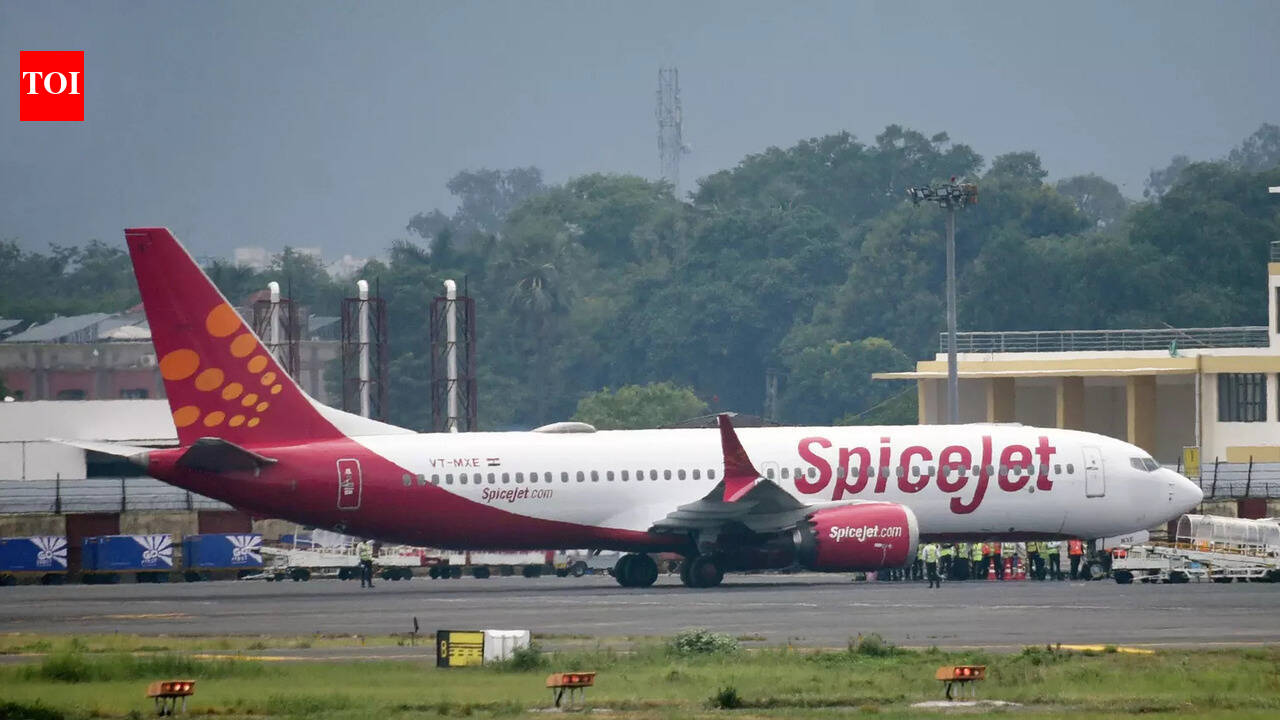
SpiceJet pilots and employees are still awaiting salaries owed since March, as the airline seeks an emergency government-backed loan. Internal messages reveal significant financial strain, with employees struggling to manage daily expenses. The airline acknowledges payment delays, attributing them to operational challenges and the Middle East crisis.
Quick commerce platform Zepto revealed in its updated draft red herring prospectus (DRHP) on Monday that the Enforcement Directorate (ED) had summoned its founders Aadit Palicha and Kaivalya Vohra in relation to the Foreign Exchange Management Act (FEMA) in April 2026.In its updated DRHP filed with SEBI for a $1 billion (Rs 9,500 crore) initial public offering, Zepto said that Palicha and Vohra were required to produce some documents with regard to foreign investments, audited balance sheets for the financial year 2020-21, shareholding patterns, details on loans and guarantees, income tax returns and bank accounts, along with other information.Complying with the summons, Vohra appeared before the ED on April 17 and April 22. Palicha appeared before the authority on April 20 and May 15 this year. "As on the date of this Updated Draft Red Herring Prospectus – I, they have provided relevant information and documents as requested by ED pursuant to the Summons, as well as follow-on information requested by the ED further to their interactions, including certain details in relation to our holding structure, the Scheme, and additional information in relation to our business such as business agreements and invoices," Zepto said.The quick commerce company said it has not yet received any further communication from ED. It assured that there will not be future inquiries or that these could escalate to investigations, legal proceedings or any possible penalties.Zepto IPOThe much-awaited IPO of Zepto will comprise a fresh issue of shares worth Rs 8,010 crore and an offer-for-sale (OFS) of nearly 11.35 crore shares by existing shareholders, according to the updated prospectus. The five-year-old company had filed its IPO papers confidentially with market regulator SEBI back in December 2025 and received the regulator's approval in May this year.Zepto is aiming to debut on stock markets in July, people familiar with the matter told The Economic Times. This would make the firm the third quick commerce player on Dalal Street, along with Blinkit parent Eternal and Instamart parent Swiggy.Also Read | Zepto files updated papers for Rs 9,500 crore IPO; aims July listingZepto earnings snapshotZepto reported a 75% year-on-year (YoY) jump in consolidated revenue for the fourth quarter of FY26 to Rs 7,498 crore, according to its updated DRHP. The Bengaluru-based company also narrowed its net loss to Rs 1,539 crore during the January-March quarter from Rs 1,832 crore a year earlier, the filing showed.Zepto processed 210 million orders during the quarter, i.e. over 2 million orders a day. It ended March 2026 with 1,139 dark stores, up from 1,029 a year earlier. Orders per store per day rose to 2,140 from 1,425 in the year-ago period, indicating higher throughput across its network.Also Read | Zepto Q4 revenue up 75% at Rs 7,498 crore, narrows loss to Rs 1,538 crore(Disclaimer: Recommendations, suggestions, views and opinions given by the experts are their own. These do not represent the views of The Economic Times)

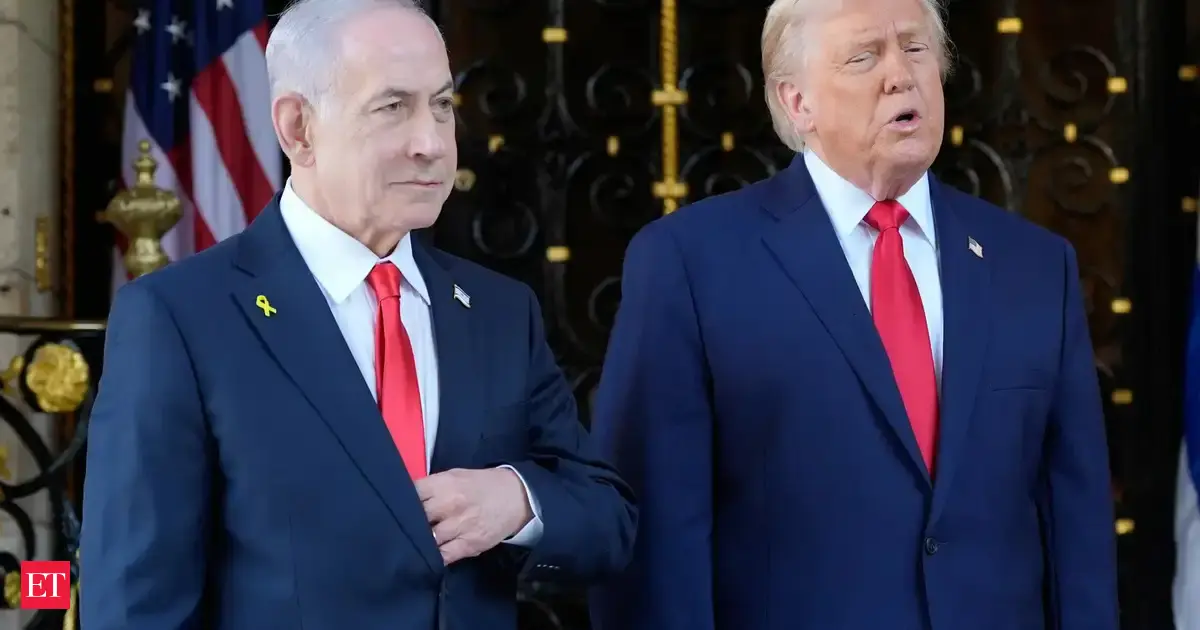
No wonder Donald Trump swore at his supposed friend and ally Benjamin Netanyahu last week. Within days of that June 1 phone call, Israel and Iran were back on track for the kind of military escalation that can no longer be explained away as a ceasefire breach, presenting a potentially fatal threat to the US president’s attempts to end the war.The cause of their dispute is, on the surface, simple. Israel says the April ceasefire between Tehran and Washington did not cover Lebanon, and that its troops would therefore go on fighting Hezbollah so long as the Shiite group posed a security threat to Israeli’s northern border communities. Iran says the deal did cover Lebanon, which is just another front in the same war — and of course it is.It’s precisely because it sees Hezbollah as a tool of Iran’s Islamic Revolutionary Guard Corps that Israel wanted the war in the first place. Israelis correctly blamed the IRGC for having orchestrated an entire proxy network of militias — from the Houthis in Yemen, to Hamas in Gaza, to Hezbollah in Lebanon — against the world’s only Jewish state. That Iranian strategy contributed directly to the atrocities of Oct. 7, 2023.Also Read: US Army Apache helicopter crashes near Strait of Hormuz, says reportOnly such an Iran-controlled or -inspired network can explain why Hezbollah opened a second front against the Israelis on Oct. 8 of that year, long before it could be described as a response to Israeli military excesses against Palestinian civilians in Gaza. Likewise that Hezbollah would join in the fight again when the US and Israel attacked Iran, in February. And it’s why the Houthis chose this weekend to lob a missile at Israel and announce they were closing the Bab al-Mandeb Strait to Israeli shipping.These last Houthi gestures were largely symbolic. Yet the collective message Tehran seeks to deliver is clear; it is that reports of the death of its so-called Axis of Resistance have been greatly exaggerated. The latest bout of escalation has notably been directed at Israel alone, serving to drive a wedge between it and the US, as it exposed the point at which their interests divide.Tehran on Monday appeared to want to draw a line under spiraling tit-for-tat air and missile strikes, saying it would refrain from further attacks — so long as Israel doesn’t bomb Hezbollah’s strongholds in Beirut. Netanyahu now faces a painful dilemma: Should he obey Trump by limiting his campaign against Hezbollah in the face of Iranian threats, thus granting them a level of impunity and deterrent power? Or should he ignore Trump and unleash the Israel Defense Forces on the Lebanese capital?Also Read: US carriers spent $6. 5B on fuel in April; global profit forecast is cut nearly in halfTehran’s new leaders understand this. No doubt they see it as a win-win for themselves. They know, too, that Hezbollah has recovered some of the military utility it had lost before the war after acquiring remote-controlled first-person view drones that the IDF seem ill-prepared to counter.This would present a genuine predicament to any Israeli government, because popular support for “finishing the job” in Lebanon is high. Netanyahu faces anger from across the political spectrum over his apparent submission of Israeli security interests to American ones.But this isn’t any Israeli government. Not every Israeli leader would have overseen a decades-long security policy that prioritized the suppression of the Palestinian Authority over Hamas, allowing the terrorist group to succeed beyond its wildest dreams on Oct. 7. Nor would every Israeli leader have refused to draw up a political strategy to accompany the use of force that followed in Gaza, the West Bank, and Lebanon — despite being coerced by Trump into recent talks with its central government.As the former Israeli Prime Minister Ehud Barak put it in an article for the liberal Haaretz newspaper on Monday, the story being sold to Israelis — that the IDF could eradicate Hezbollah once and for all if only its hands weren’t tied — is “a dangerous illusion.” The history of previous, painful failed incursions into Lebanon says as much.Nor would every Israeli leader have misled Trump into believing (against the advice of the US military and intelligence community) that assassinating Iran’s supreme leader would swiftly precipitate a collapse of the Islamic Republic as a whole. Nor might they have allowed their country to become quite as diplomatically isolated as it has.It is these strategic failures, amid undoubted military success, that have left Israel with few good options. Netanyahu can hope for a rapid collapse of the regime in Tehran to resolve his dilemma, but that’s unlikely. Alternatively, he can try to persuade the US to join in a long-term mow-the-lawn policy to keep Iran weak, amounting to a forever war. This, too, seems unlikely — or at least not in the interests of the US, its Gulf allies or the global economy.Failing one of these minor miracles, the risk of Israel being forced to accept a peace deal that leaves an enraged and emboldened Islamic Republic in place is real. No doubt Netanyahu, like Trump, believed in February that a short, victorious Iranian war might salvage his dimming political prospects, ahead of the Israeli elections due by October. That was a bad bet.
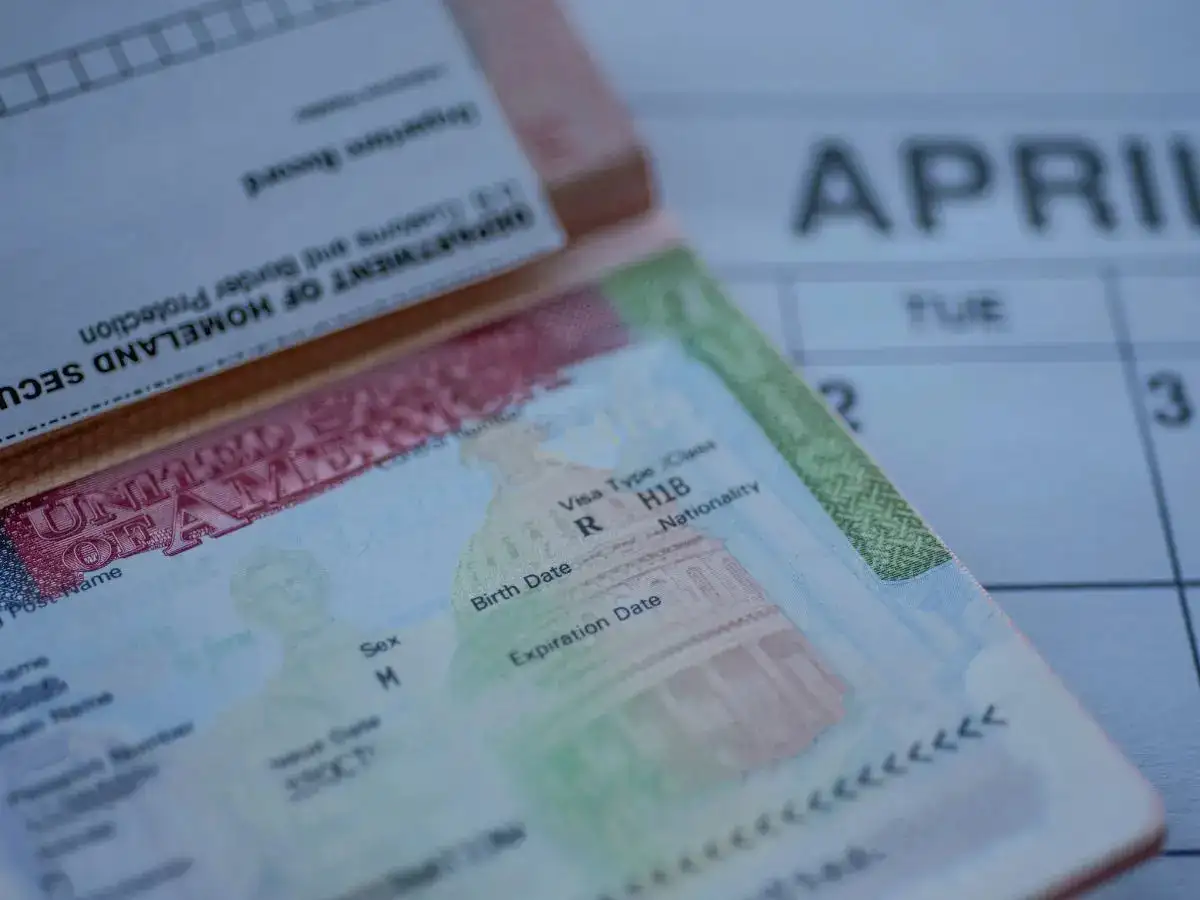
A chorus of US lawmakers from across the political spectrum has come out in support of a federal court order dismantling a proposed USD 100,000 H-1B visa application fee, even as the White House prepares to challenge the judicial setback in the appeals court. Breaking ranks with the executive branch, several Republican lawmakers backed the decision by shifting the spotlight away from the information technology sector, which heavily utilises this visa category, and focusing instead on how the massive financial penalty would cripple healthcare systems and educational institutions in remote regions. These conservative representatives pointed out that employers in rural areas depend heavily on international professionals to fill severe staffing voids. Stressing the severe local impact, Republican Senator Lisa Murkowski from Alaska emphasised that the issue transcended partisan politics in her state. She pointed out that the judicial intervention arrived at a pivotal juncture as academic institutions actively finalise their faculty rosters for the upcoming school term. Senator Murkowski stated, "Many school districts in rural and remote parts of the state rely on the H-1B visa programme to bring quality teachers to their communities." Unmoved by the legislative backlash, the White House strongly dug in its heels to defend the executive measure and signalled immediate plans to get the ruling overturned. White House spokesperson Taylor Rogers argued, "The H-1B programme has been abused for decades, and President Trump finally took action to fix it." Expressing absolute confidence in a legal reversal, Rogers added, "A federal judge in Washington already upheld a nearly identical order, and the administration is confident this order will be reversed on appeal." Conversely, the political opposition welcomed the court's intervention as necessary relief for critical public infrastructure. Democratic Congressman Don Beyer praised the judgment, warning that the steep executive fee would have slammed healthcare facilities already pushed to the brink by severe personnel deficits with unsustainable operational costs. Echoing this sentiment from across the aisle, Republican Congressman Mike Lawler also threw his weight behind the judicial freeze. He highlighted his own ongoing, cross-party legislative efforts to shield medical personnel from the financial burden. Congressman Lawler noted, "I have been working to exempt healthcare workers from this fee that only exacerbates the current staffing shortages in healthcare. That's why I introduced the bipartisan H-1Bs for Physicians and the Healthcare Workforce Act. While we continue to push this legislation through Congress, this ruling is welcome news." Further criticising the administration's economic logic, Congressman Sanford D. Bishop Jr. cautioned that the premium pricing would effectively slam the door on global talent, hurting domestic growth. Congressman Bishop argued, "The USD 100,000 fee for employers' H-1B applications would have discouraged the best and the brightest from coming to America and helping our economy grow and innovate." The legal architects behind the successful lawsuit also celebrated the verdict. Leading the state-level resistance, California Attorney General Rob Bonta remarked that the executive fiscal policy directly undermined the nation's capacity to import specialised professionals for sectors struggling with systemic labour deficits. Bonta stated, "This tax was an attack on America's ability to attract and retain the high-skilled talent that strengthens our economy and helps us meet critical workforce needs." Validating the multi-state legal push, New Jersey Attorney General Jennifer Davenport expressed an identical view, noting that the judiciary clearly agreed that the executive branch had completely overreached its mandate by attempting to levy the financial requirement on H-1B petitioners. However, the Republican consensus on the matter remained fractured. Voices from the conservative wing, like Arizona Congressman Eli Crane, explicitly denounced the ruling. Crane, who has been aggressively pushing for restrictive immigration overhauls, bypassed the judicial roadblock to call for a definitive legislative remedy. Congressman Crane stated, "Although an activist judge blocked President Trump's reforms to the H-1B program, Congress can fix it without judicial obstruction. Urge your representative to cosponsor the End H-1B Visa Abuse Act of 2026, which halts and significantly reforms this broken system." This highly publicised judicial verdict represents a major blow to the Trump administration's broader strategy aimed at restricting employment-driven immigration channels and creating steep hurdles for US employers trying to onboard international professionals. The development has triggered significant interest in India, given that the H-1B framework serves as a vital pipeline for the Indian workforce to access lucrative professional opportunities in the US. The non-immigrant work permit enables US corporations to recruit overseas experts with niche expertise across highly technical fields, including technology, engineering, healthcare, and finance. Because of India's robust talent pool in these specialised industries, Indian citizens systematically secure the lion's share of the total H-1B allocations distributed on an annual basis, making any disruption to the fee structure a critical economic talking point for New Delhi. Structurally, the H-1B visa has long solidified its status as an essential foundation for the American guest-worker immigration model. Under the statutory guidelines, the US government caps the yearly allocation at 65,000 standard permits, while reserving an extra 20,000 slots specifically for candidates who have earned advanced graduate degrees from US institutions. Data provided by immigration advocacy group FWD.us reveals the massive scale of this demographic, noting that approximately 730,000 H-1B visa holders reside across the US, living alongside an estimated 550,000 dependents, which includes their spouses and children.
The government and APSRTC are bent on handing over electric buses, but also the bus depots to private operators on lease, say JAC convenors
Homebuyers often underestimate the true cost of purchasing a property. Beyond the sticker price, expect significant expenses like stamp duty, registration, parking, and property taxes. Don't forget moving, maintenance deposits, loan fees, and potential GST on under-construction homes. Interior work and brokerage fees also add up, making thorough budgeting crucial.
Shares of Vodafone Idea and Bharti Airtel gained up to 4% on Tuesday after the Bombay High Court quashed the government's one-time spectrum charge (OTSC) demands, holding that all actions taken pursuant to the disputed demands would also stand annulled.Vodafone Idea shares jumped 4% to Rs 14.90, while Airtel share price gained over a percent to Rs 1,836 on the BSE. The ruling provides a combined relief of around Rs 20,000 crore to the two telecom operators. According to ET Now, Vodafone Idea has secured relief of Rs 11,000 crore, while Bharti Airtel has received relief of Rs 9,000 crore.A division bench comprising Justices Manish Pitale and Shreeram Shirsat set aside the demand notices issued by the Centre for recovery of OTSC. The court observed that the government had failed to demonstrate any legal authority empowering it to take such a decision or issue the resulting demand notices.The bench also directed that bank guarantees furnished by the telecom companies be returned. In addition, all demand notices and related orders concerning the one-time spectrum charge have been struck down. At the same time, the court clarified that the matter continues to remain pending before the Supreme Court.The bench noted that the government, while citing public interest, had acted beyond the scope of the contractual and licensing arrangements entered into with the telecom operators. It further observed that the Centre had not identified any source of power authorising the impugned decisions.The dispute traces its origins to a November 2012 Union Cabinet decision under which a one-time spectrum charge was to be levied on spectrum holdings exceeding 6.2 MHz from July 2008 onwards. Following that decision, demand notices were issued to Bharti Airtel and Vodafone Idea specifying the amounts payable towards OTSC.According to a PIB release, telecom operators holding spectrum up to 4.4 MHz (GSM) were exempted from any one-time charge. For spectrum holdings beyond 4.4 MHz (GSM), the government decided that a one-time charge would be imposed prospectively based on prices discovered in the 2012 spectrum auction.Airtel and Vodafone Idea challenged the decision before the Bombay High Court in January 2013, arguing that the government lacked the authority under the Telegraph Act to impose a one-time spectrum charge, particularly with retrospective effect. At the time, the court granted interim protection to the companies and directed that no coercive action be taken while the matter was being heard.In its judgment delivered on Monday, the High Court said the government could not claim that the spectrum's status as a scarce and finite natural resource entitled it to unilaterally depart from the terms of its contracts with telecom operators."The government obviously cannot claim statutory power to act as per its own whim, notwithstanding the terms of the contract/licence executed as per the power available under the Act," the High Court stated.Sensex, Nifty today: Catch all the LIVE stock market action here(Disclaimer: Recommendations, suggestions, views and opinions given by the experts are their own. These do not represent the views of The Economic Times)
Tech giants like Google and Amazon are reducing H-1B visa filings, while AI leaders such as OpenAI and Nvidia are significantly increasing them. This surge reflects a fierce competition for top talent, with companies willing to pay more to secure specialized researchers. New policy changes, including higher fees and a lottery favoring experienced workers, are also shaping the landscape.
Bhagwant Mann said Punjab has witnessed a remarkable transformation in the education sector.
India is pushing for preferential tariffs and guarantees against future hikes in ongoing trade talks with the US. New Delhi seeks clarity on proposed US tariffs linked to forced labor and excess industrial capacity concerns. Both nations aim to finalize an interim trade agreement, with discussions gaining momentum after recent high-level meetings.
The government on Monday announced an offer for sale (OFS) in state-run NLC India, seeking to divest up to 3% of its stake through a two-day share sale process. The OFS comprises a base offer of 2% equity, equivalent to 2.78 crore shares, along with a greenshoe option of another 1% stake, or 1.39 crore shares, in case of strong investor demand.The government has fixed the floor price at Rs 303 per share, a discount to the stock's previous closing price. Based on the floor price, the government stands to raise about Rs 842 crore through the base offer. If the greenshoe option is fully exercised, the total issue size could increase to around Rs 1,263 crore.The OFS will open for non-retail investors on June 9, while retail investors and eligible employees can bid on June 10. The share sale will be conducted through a separate window mechanism on the BSE and NSE in line with Sebi's OFS framework.The transaction forms part of the government's broader disinvestment programme and comes amid a strong run in PSU stocks over the past few years.NLC India, formerly known as Neyveli Lignite Corporation, is one of India's leading mining and power generation companies. The company operates lignite mines and thermal power stations while also expanding its renewable energy portfolio.The PSU has emerged as a beneficiary of India's rising power demand and the government's focus on energy security. In recent years, the company has diversified beyond lignite mining into solar and other renewable energy projects as part of its long-term growth strategy.The government highlighted NLC India's strong operational and financial performance while announcing the OFS, describing the company as a long-term investment opportunity supported by consistent profitability and dividend payouts.NLC India has maintained a track record of returning cash to shareholders through regular dividends and has benefited from improving plant performance, higher power generation and growth in mining operations.The OFS comes at a time when institutional and retail participation in government stake sales has remained healthy, particularly in profitable PSUs with stable cash flows and attractive dividend yields.Investors will now watch subscription levels closely to gauge demand for the issue, especially given the government's decision to keep a greenshoe option that allows it to sell an additional 1% stake if the offer is oversubscribed.
Police said the molten iron was extremely hot at about 1,600 degrees Celsius.